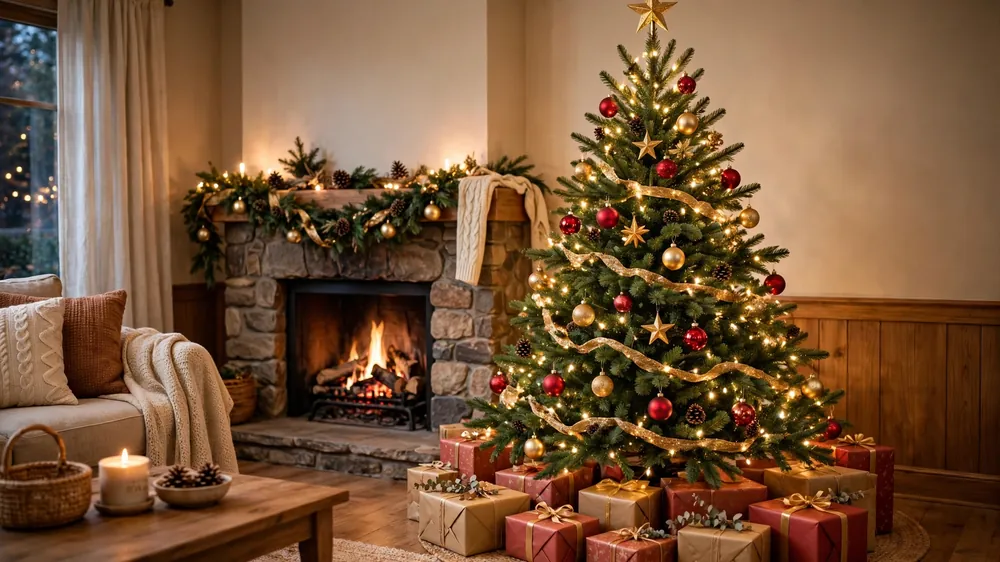
15 Classic Christmas Tree Ideas for a Timeless Red, Green, and Gold Look
Executive Summary
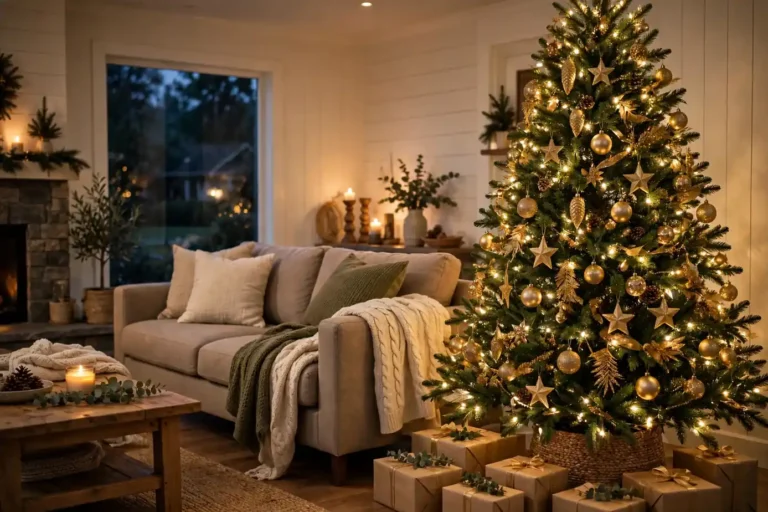
A classic Christmas tree never really goes out of style. The traditional formula — a full green tree, red and gold ornaments, warm white lights, classic garland, and a star or angel on top — still reads instantly as Christmas in almost any living room, and most of the pieces can be reused year after year.
This guide walks through 15 classic Christmas tree ideas, from the bare branches up to the topper and the base. Each idea explains what to do, how to do it, and roughly what to budget as of 2026.
In short: Start with a full green tree, keep the palette strictly red, green, and gold, layer warm white lights deep in the branches, add heirloom-style ornaments and traditional garland, and finish with a classic star or angel topper and a traditional tree skirt.
Lay the Traditional Foundation
The classic look starts before a single ornament goes on. Get the tree, palette, lights, and garland right, and the rest falls into place.
1. Choose a Full, Deep-Green Evergreen Tree
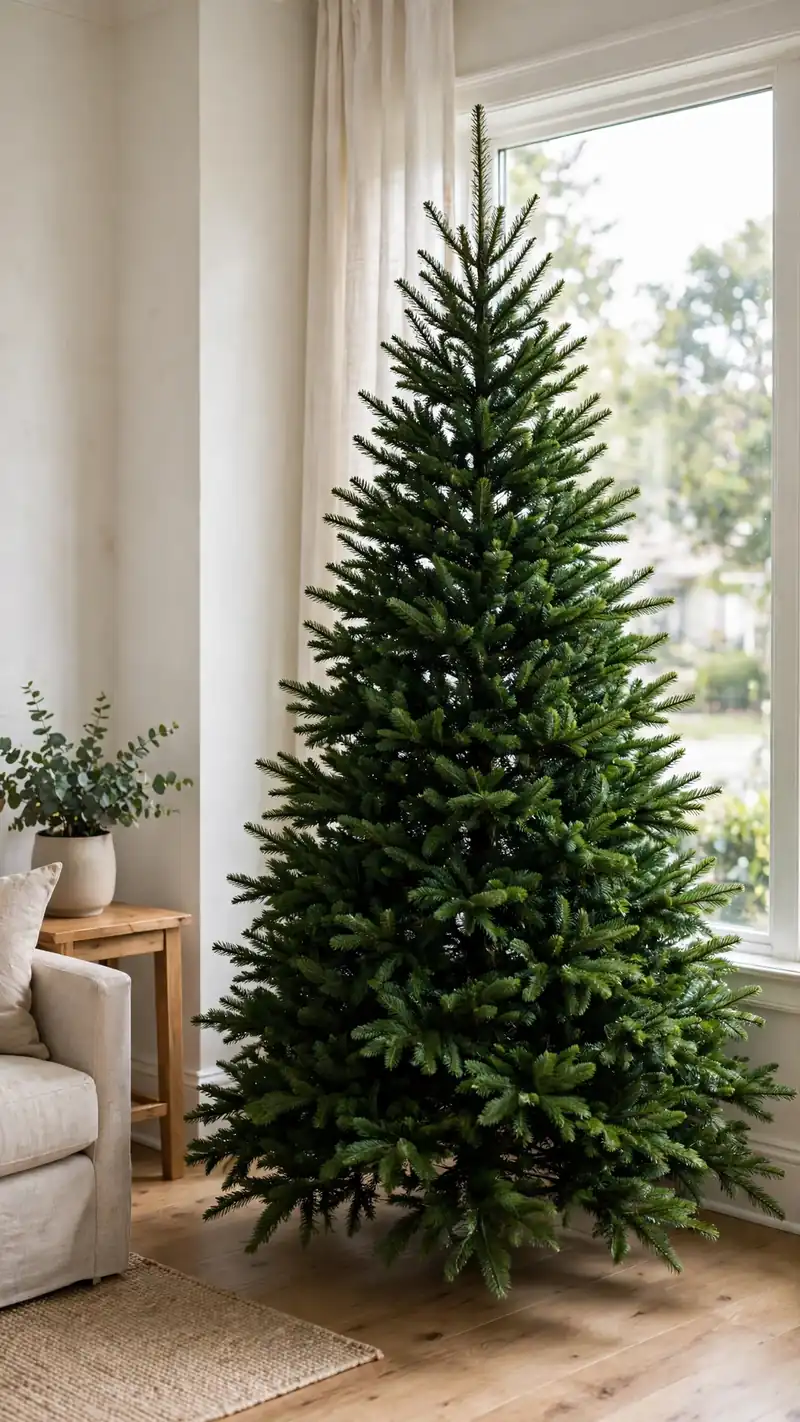
A classic tree should look lush and full, with branches dense enough to hold ornaments at every depth. Whether you choose a real fir or an artificial tree, look for deep green foliage rather than a pale or frosted finish, and fluff each branch outward so there are no bare gaps near the trunk. Browsing other classic tree ideas can help you picture the shape you want. As of 2026, a good-quality artificial tree typically costs around $100–$300, while a real tree usually runs about $75–$150 depending on size and region.
2. Set a Red, Green, and Gold Palette — and Stick to It
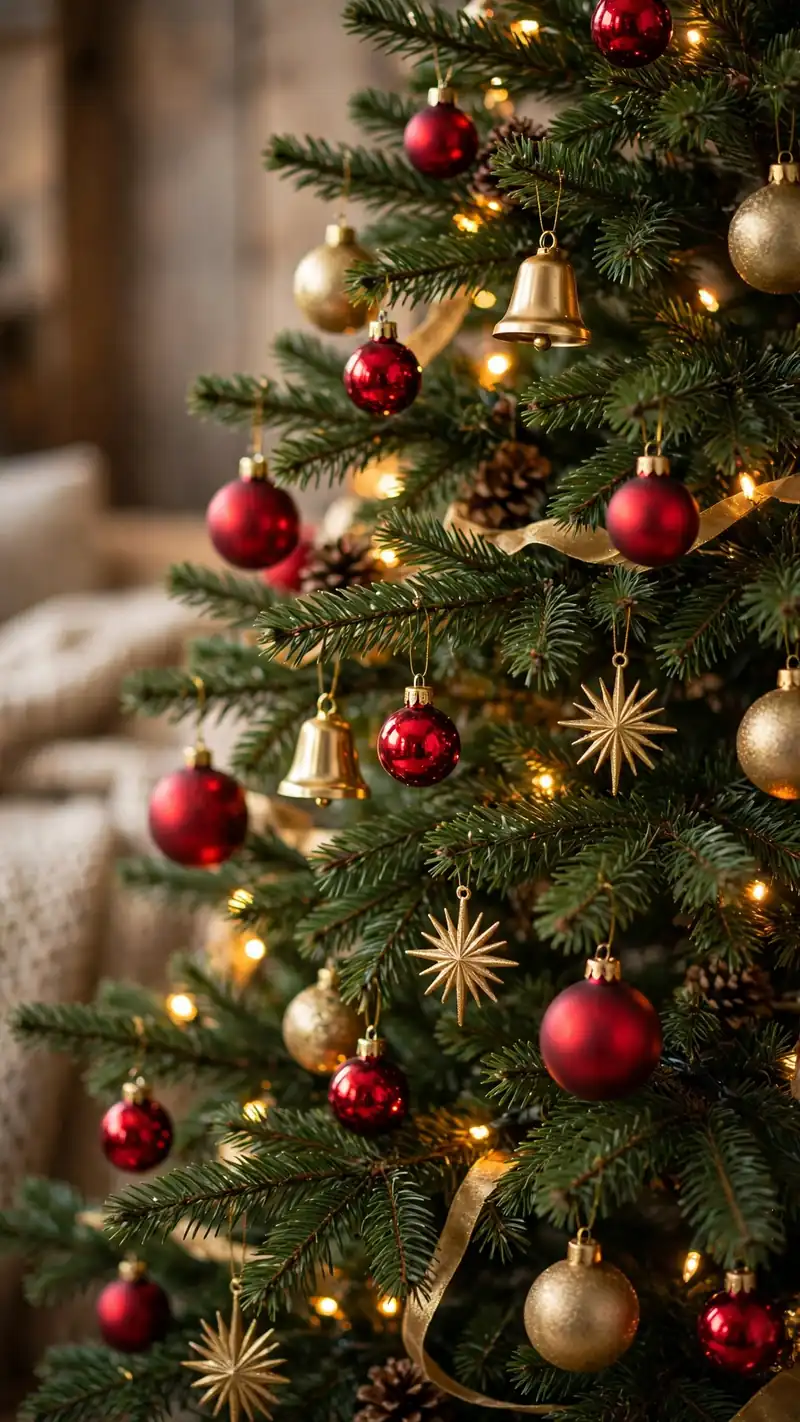
The fastest way to keep a tree looking classic rather than cluttered is to commit to just three colors: the green of the branches, red ornaments, and gold accents. Before hanging anything, gather your ornaments and set aside anything outside the palette, such as bright blue, pink, or neon pieces. That discipline is what separates a traditional tree from a multicolor one. As of 2026, a starter set of red and gold baubles typically costs about $20–$40.
3. String Warm White Lights Deep Inside the Branches

Warm white lights are the classic choice, and they flatter red and gold far better than cool white or multicolor strands. Work from the trunk outward, tucking each strand deep into the branches rather than draping lights only around the outside. This gives the tree a warm glow from within instead of a bright outline. As of 2026, plan on roughly $15–$30 for enough warm white strands for an average-size tree, and check that all strands work before you start.
4. Swag a Classic Beaded or Ribbon Garland
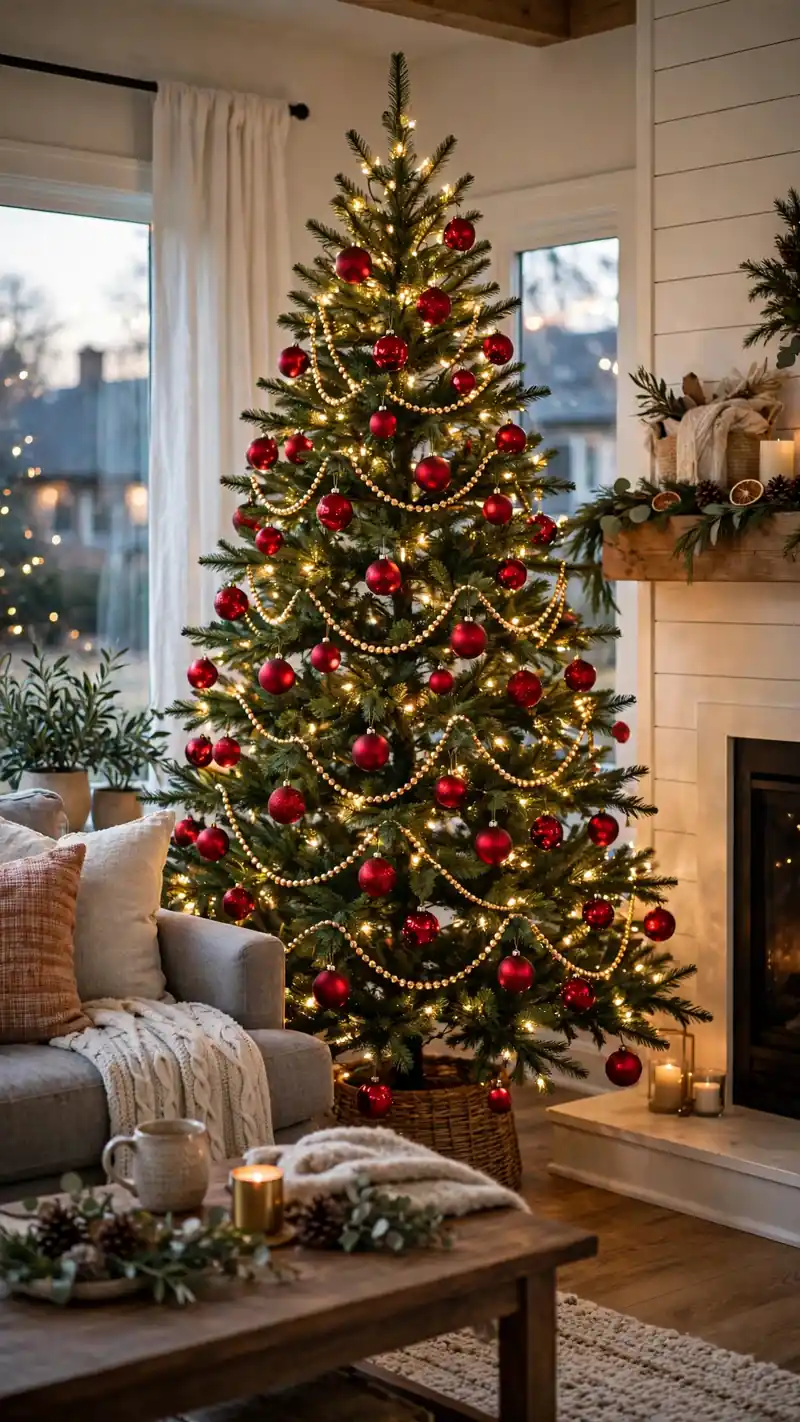
Traditional garland gives a classic tree its finished, old-fashioned structure. Gold beads, wide gold or deep red ribbon, or a cranberry-style bead strand all work, as long as you keep to the palette. Drape it in gentle swags from branch to branch, starting near the top and stepping back often to check the curves look even. As of 2026, beaded garland or wired ribbon typically costs about $10–$25 per strand.
Dress It in Heirloom Ornaments
Once the foundation is set, the ornaments do the storytelling. A classic tree mixes shiny showpieces with quieter, old-fashioned shapes.
5. Mix Shiny and Matte Glass Balls in Red and Gold

Glass balls are the backbone of a traditional tree, and the mix matters more than the quantity. Combine shiny red and gold balls with matte ones in the same colors, varying the sizes so large balls sit deeper in the branches and smaller ones hang near the tips. As of 2026, a mixed box of glass-style balls usually costs about $15–$35.
6. Add Heirloom-Style Figurine Ornaments
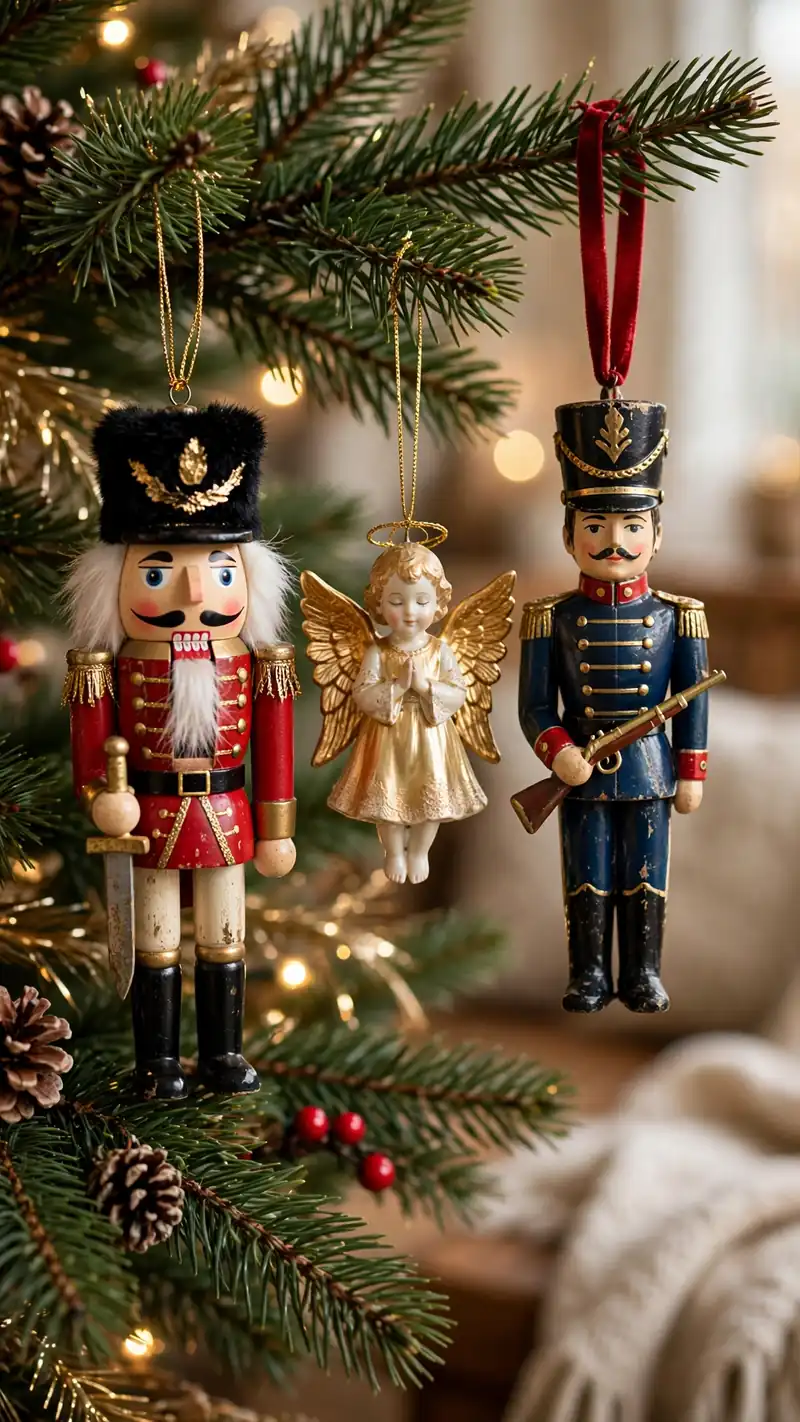
Figurine ornaments make a classic tree feel collected rather than bought all at once. Look for traditional shapes such as nutcrackers, angels, toy soldiers, birds, and old-fashioned Santas in muted red, gold, cream, and green, hung at eye level and spread evenly. As of 2026, individual figurine ornaments typically cost about $5–$15 each, so a few well-chosen pieces go a long way.
7. Tie Classic Red Velvet Bows Throughout

Red velvet bows are a simple, traditional accent that instantly reads as classic. Tie small bows at branch tips throughout the tree, or use larger bows to mark the ends of each garland swag, keeping the size and ribbon consistent. As of 2026, a spool of velvet ribbon usually costs about $8–$15 and is typically enough for a full tree.
8. Hang Handmade and Sentimental Ornaments With Pride
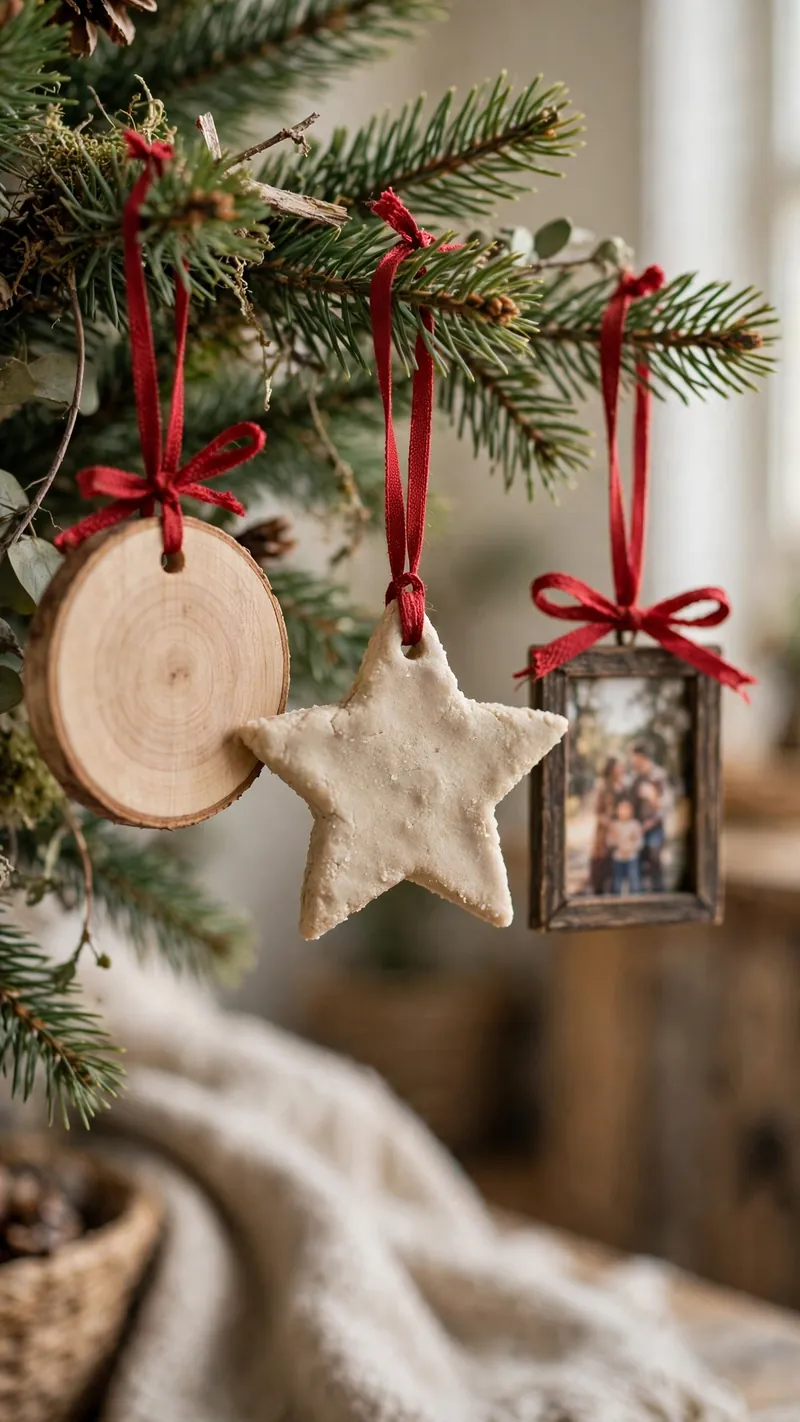
A traditional tree is usually a memory tree as well, and handmade or sentimental ornaments belong alongside the polished ones. Hang paper stars, wooden ornaments, salt-dough shapes, and keepsakes at eye level, and place very fragile pieces on sturdy inner branches rather than drooping tips. These usually cost little or nothing, and they are often what makes the tree feel personal.
Crown and Finish the Tree the Classic Way
The top and the base frame the whole tree, and both deserve the same traditional treatment as the middle.
9. Crown It With a Classic Gold Star
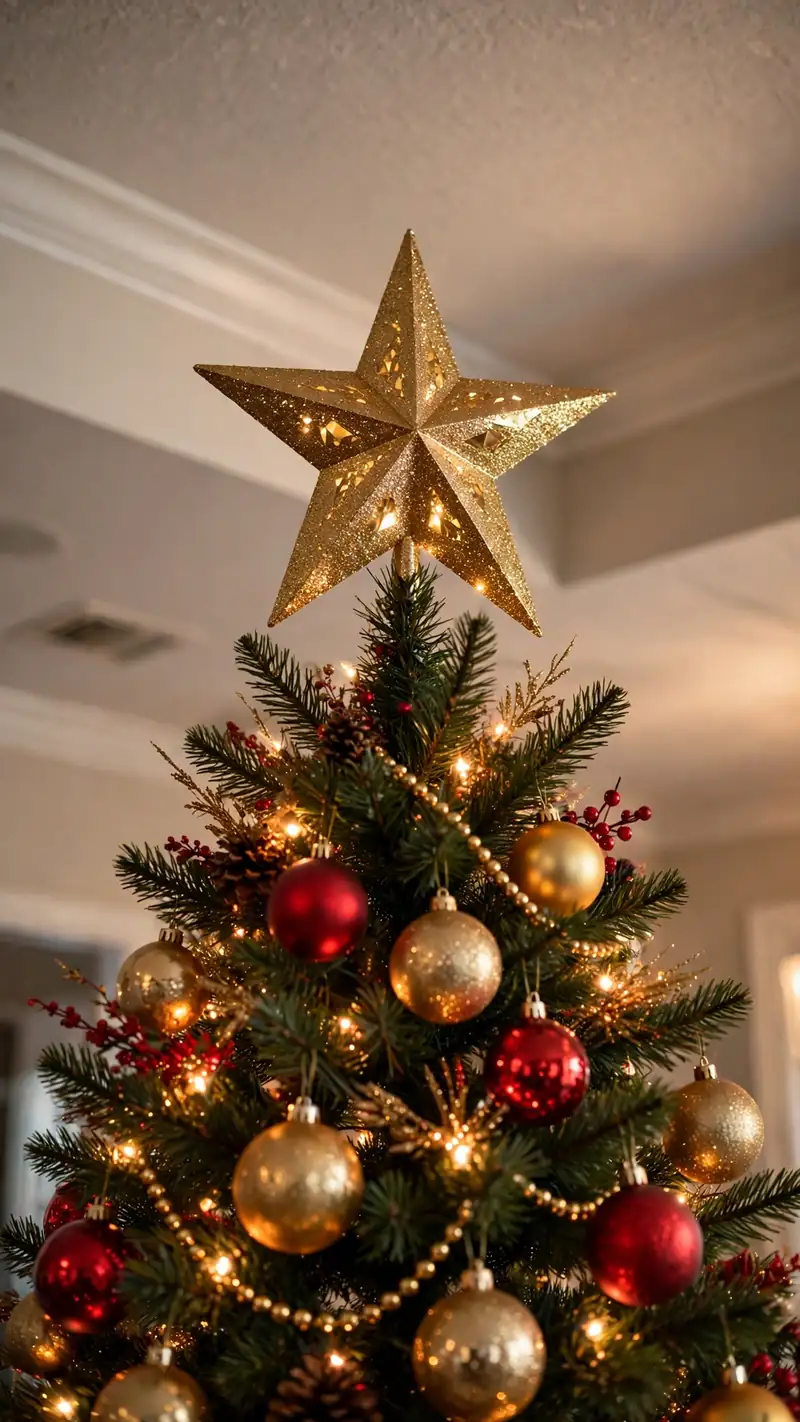
A gold star is the most traditional tree topper of all. Choose one sized to the tree — a small star can disappear on a tall tree, while an oversized one can look top-heavy — and secure it firmly so it sits straight. As of 2026, a classic gold star topper typically costs about $10–$25.
10. Or Choose a Traditional Angel Topper
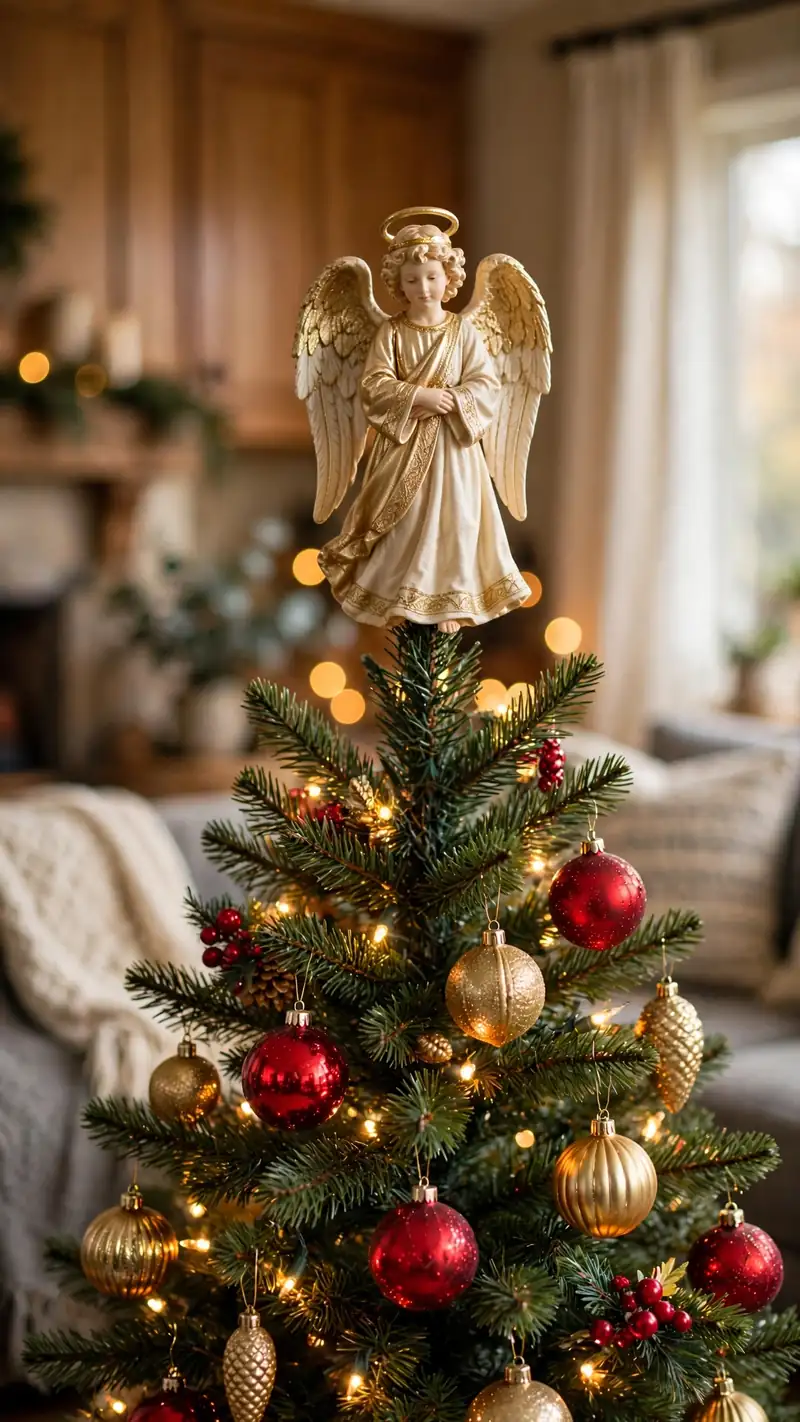
If a star is not your tradition, a classic angel topper is the other time-honored choice. Look for an angel in cream, ivory, or gold with a simple, old-fashioned design, and fasten it securely so it does not tilt. As of 2026, a traditional angel topper usually costs about $15–$30.
11. Finish the Base With a Classic Tree Skirt

A traditional tree skirt hides the stand and gives the presents a proper stage. A quilted skirt in red, cream, or classic plaid fits the look; spread it evenly around the base so it lies flat and does not bunch under the gifts. As of 2026, a classic tree skirt typically costs about $20–$40.
12. Tuck Pinecones and Berries Into the Branches

Natural touches are part of the traditional look, and pinecones and red berries are the easiest way to add them. Tuck a few pinecones deep into the branches and cluster small berry sprigs near the tips, but avoid adding too many — the goal is texture, not a woodland theme. As of 2026, a bag of decorative pinecones or a few berry picks usually costs about $5–$15.
Keep the Classic Look Going Year After Year
A classic tree should get better, not tireder, with time. A few habits at the end of the season protect the look for next year.
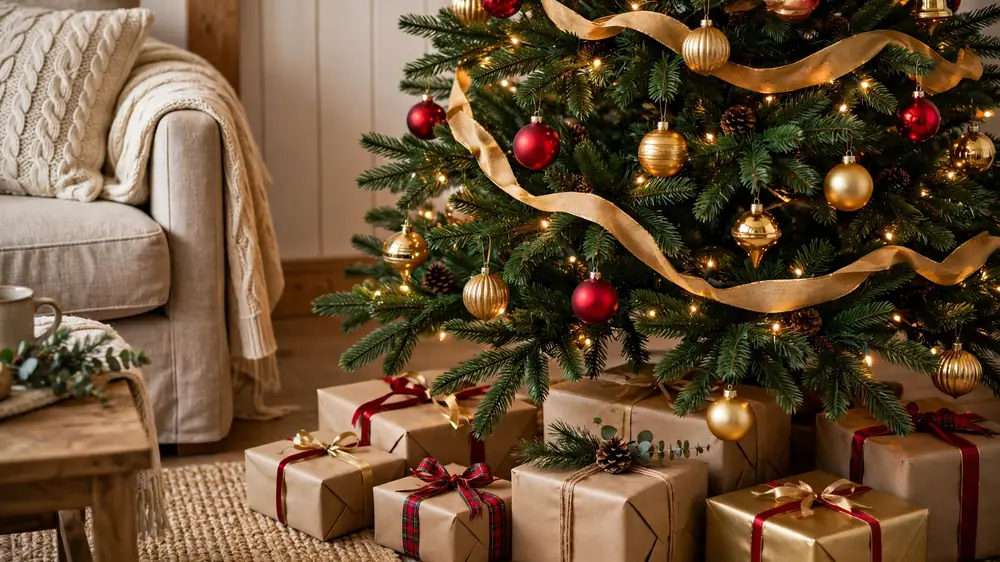
13. Wrap Presents in Classic Red, Gold, and Kraft Paper
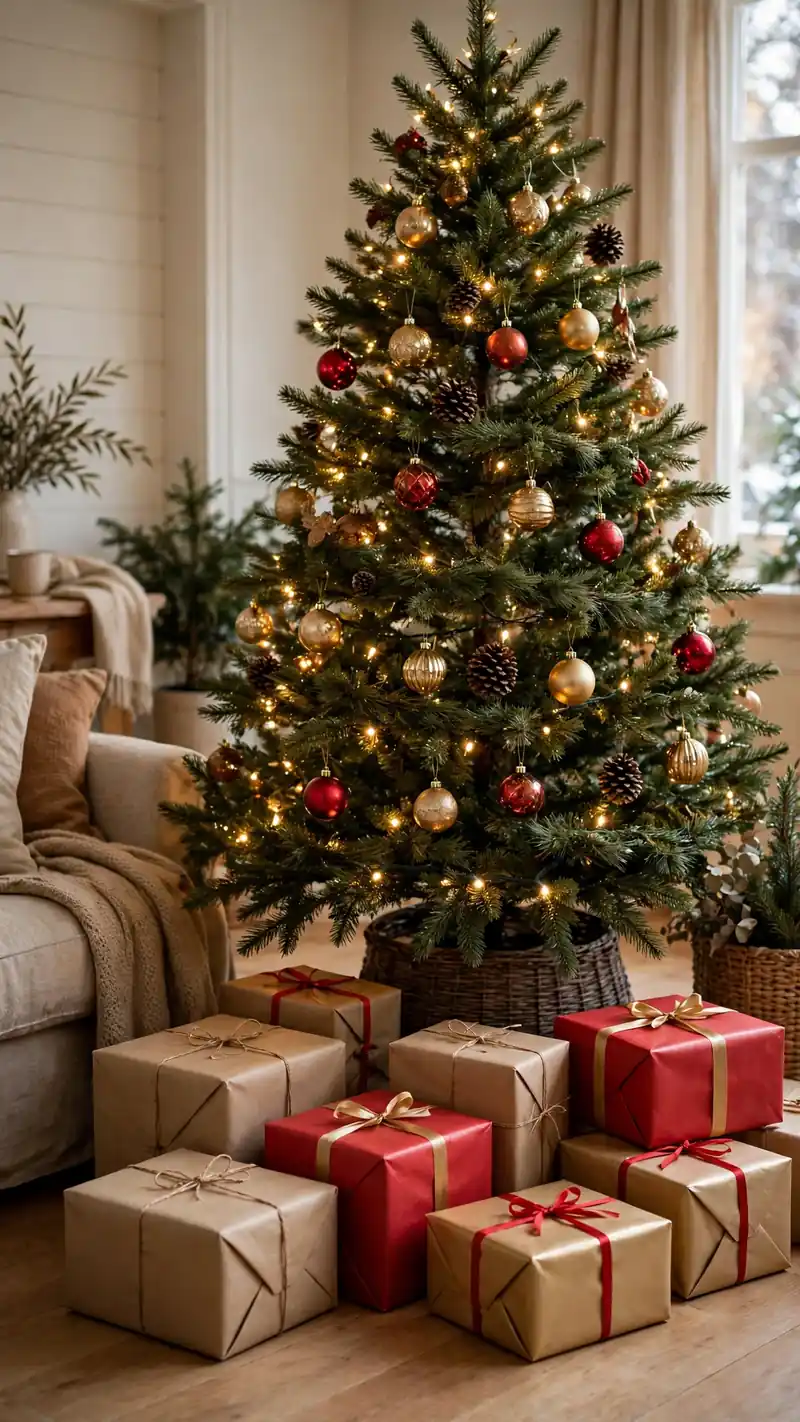
Gifts under the tree are part of the display, so keep the wrapping in the same palette. Red, gold, and plain kraft paper with simple ribbon all fit; skip loud characters or clashing colors that pull attention away from the tree. As of 2026, a roll of classic wrapping paper typically costs about $5–$12.
14. Refresh One Heirloom Element Each Year
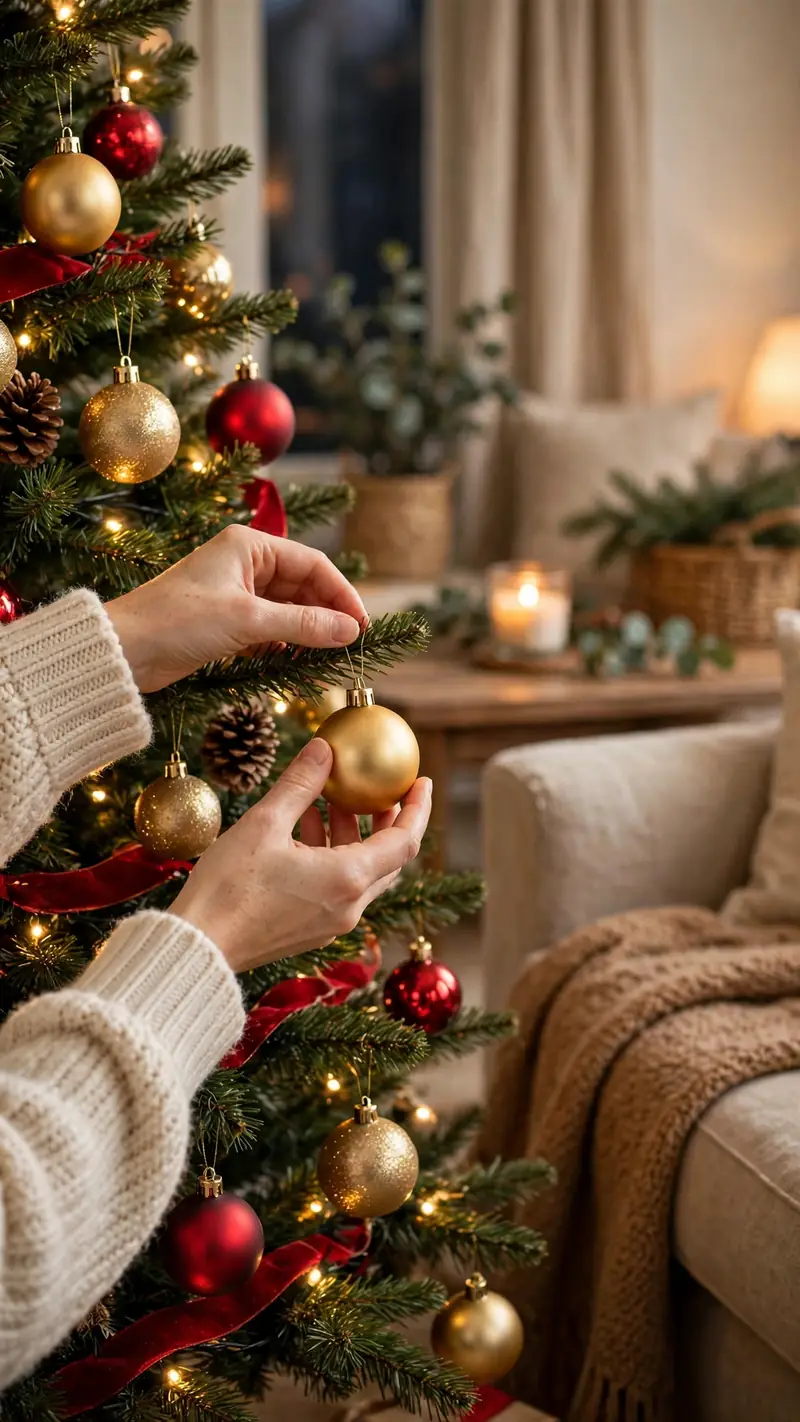
Instead of replacing the whole look, add one new traditional piece each season — a figurine, a set of glass balls, or a length of better garland. This keeps the tree fresh without breaking the formula, and over time builds the collected, heirloom feel. As of 2026, budgeting about $15–$30 a year for one new piece is usually plenty.
15. Store Ornaments the Classic Way So They Last

Heirloom-style ornaments only become heirlooms if they survive storage. Wrap fragile pieces individually in tissue paper, store them in divided boxes rather than loose bags, and keep the boxes in a dry spot. Label each box so next year’s decorating starts easily. As of 2026, divided ornament storage boxes typically cost about $10–$25 each.
FAQ
How many ornaments do I need for a classic Christmas tree?
A good starting point is roughly 10–15 ornaments per foot of tree height for a full look. Start with fewer and add a few each year, which suits the classic, collected style.
Are multicolor lights ever classic?
Traditionally, no. Warm white lights are the classic choice for a red-green-gold tree, because they flatter the palette and give an even glow. Multicolor lights tend to push the tree toward a colorful or playful look instead.
Can a classic tree work in a small apartment?
Yes. Choose a slim or tabletop tree in the same deep green, keep the red-green-gold palette, and scale the ornaments and topper down to match. The classic formula works at any size as long as the proportions stay balanced.
What is the difference between a classic tree and a red tree?
A red-led tree leans mainly on red as its accent color, while a classic tree uses the full traditional formula: red, green, and gold together, plus heirloom-style ornaments, traditional garland, and a classic star or angel topper.
Should the garland match the ornaments?
It should stay in the same palette, but it does not need to match exactly. Gold beaded garland pairs well with both red and gold ornaments, and deep red ribbon works the same way. Avoid introducing a new color through the garland.
How do I keep a classic tree from looking dated?
Keep the palette disciplined, use warm white lights, and let one or two heirloom pieces lead rather than filling every branch with novelty items. A classic tree is meant to look timeless, so restraint is part of the style.
Conclusion
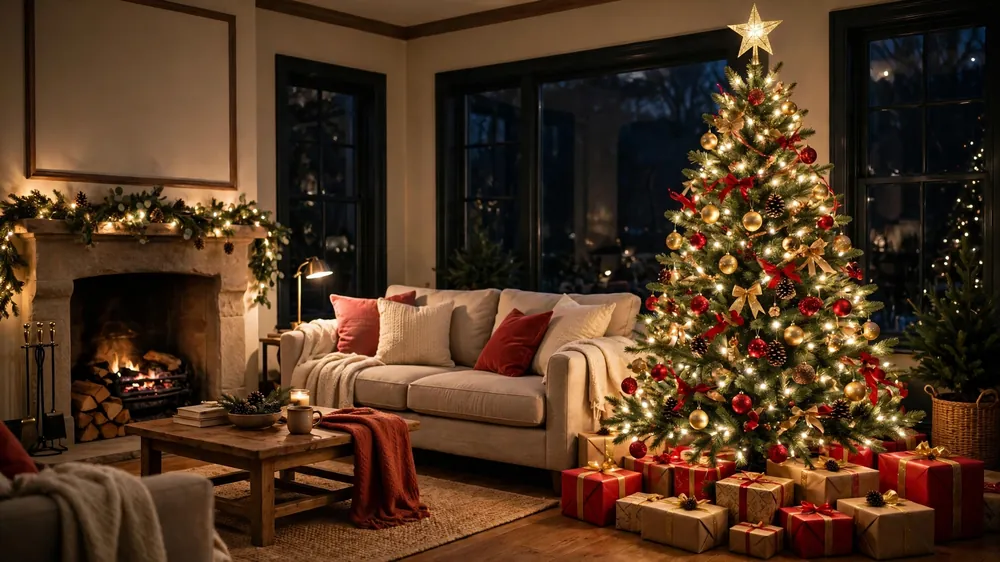
A classic Christmas tree does not need a big budget or a new theme every year. It needs a full green tree, a disciplined red, green, and gold palette, warm white lights layered deep in the branches, heirloom-style ornaments, traditional garland, and a star or angel on top. Build those pieces once, care for them in storage, and refresh one element each season.
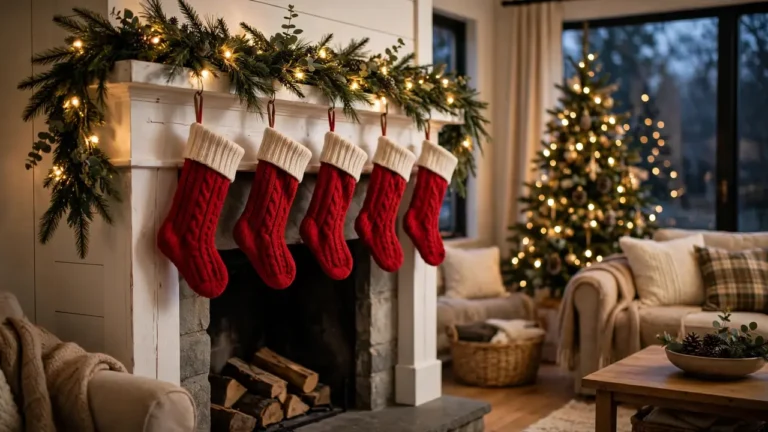
When the tree is done, carry the same palette to the rest of the room for a pulled-together look — these classic mantel decorating ideas use the same traditional colors, so the mantel and the tree feel like one display rather than two separate projects. Start with the lights and the palette, and let the ornaments you already love do the rest.

Thiago Alexander is the Chief Editor at Nested Charm. With a deep passion for interior design and cozy living spaces, he leads the editorial team in crafting stories that make every house feel like a home.