
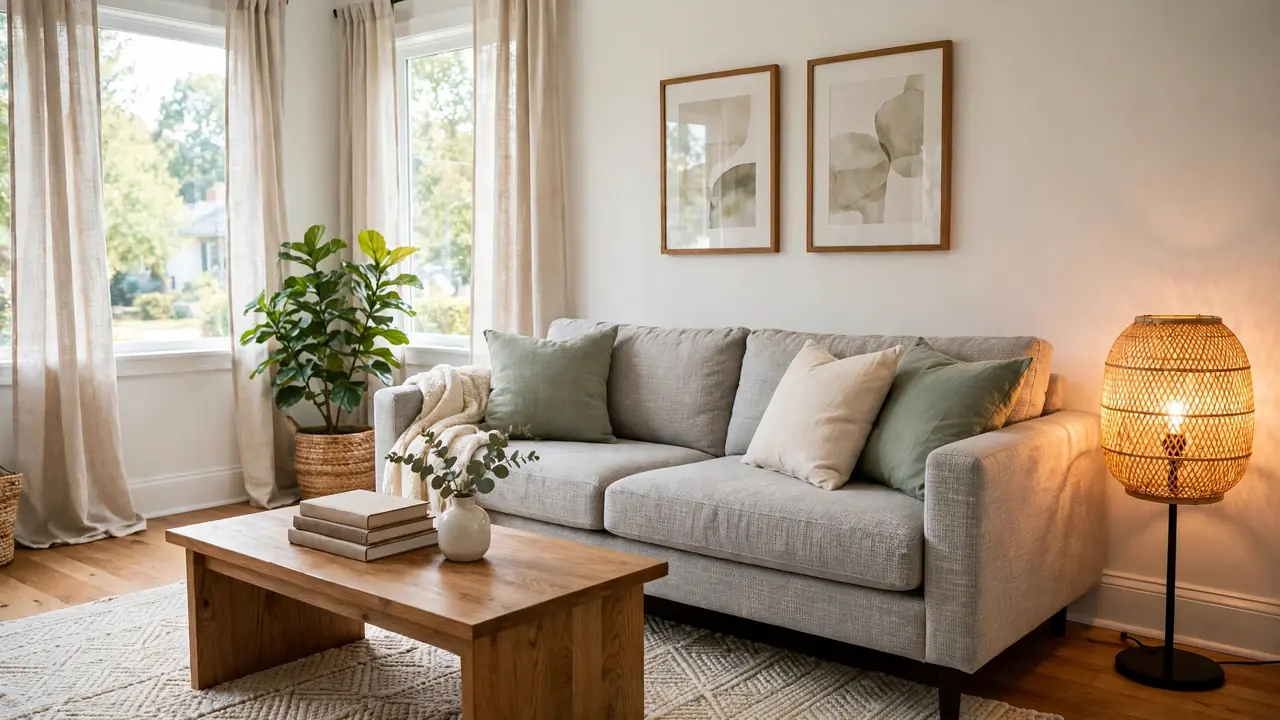
15 Living Room Inspo Ideas That Make the Whole Room Feel Finished
Executive Summary
A living room can have a good sofa, a nice rug, and decent lighting — and still feel unfinished. Usually the missing piece is not one big purchase. It is the layering: a layout that makes sense, colours that repeat around the room, textures that soften hard surfaces, and a few personal touches that stop the space looking like a showroom.
These 15 living room inspo ideas work whether you own your home or rent, and most of them cost little or nothing. Start with the layout, then add colour, texture, and light, and finish with the details that make the room yours.
**In short:** Float your seating into a conversation zone, anchor it with a rug that actually fits, repeat three colours around the room, mix soft textures, layer three light sources, and finish with art, plants, and one personal corner. Small, repeatable choices — not one big spend — are what make a living room feel finished.

Start With the Layout
Before buying anything, get the bones right. A room that is arranged well feels finished even with modest furniture, while a room with expensive pieces pushed against every wall can still feel like a waiting room.
1. Float the Sofa Into a Conversation Zone
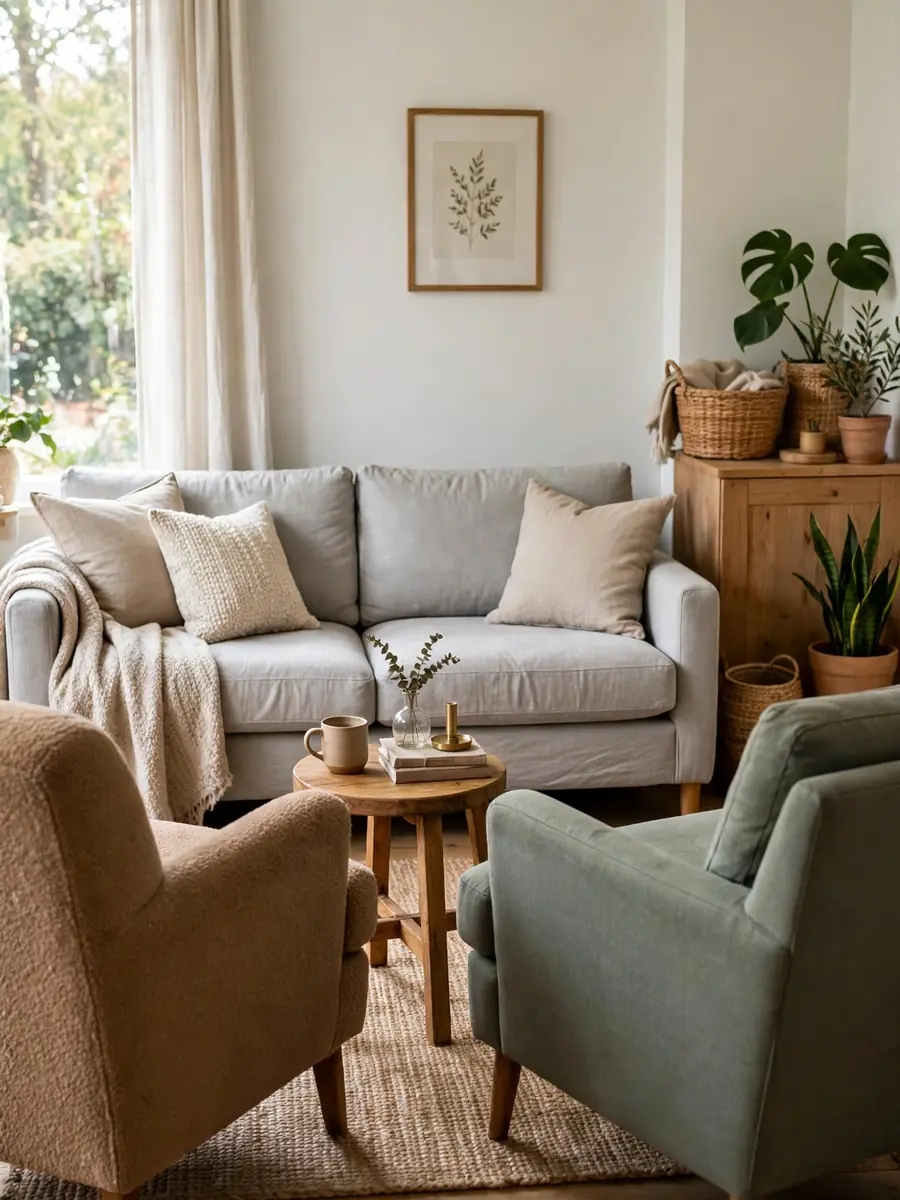
Pull the sofa a few inches off the wall and angle the chairs toward it, so people face each other instead of facing the television like an audience. Even in a small room, a gap behind the sofa makes the space feel intentional. If the sofa must stay against the wall, pull the chairs in closer and add a side table between them to close the circle. Cost: free.
2. Anchor Everything With a Rug That Actually Fits
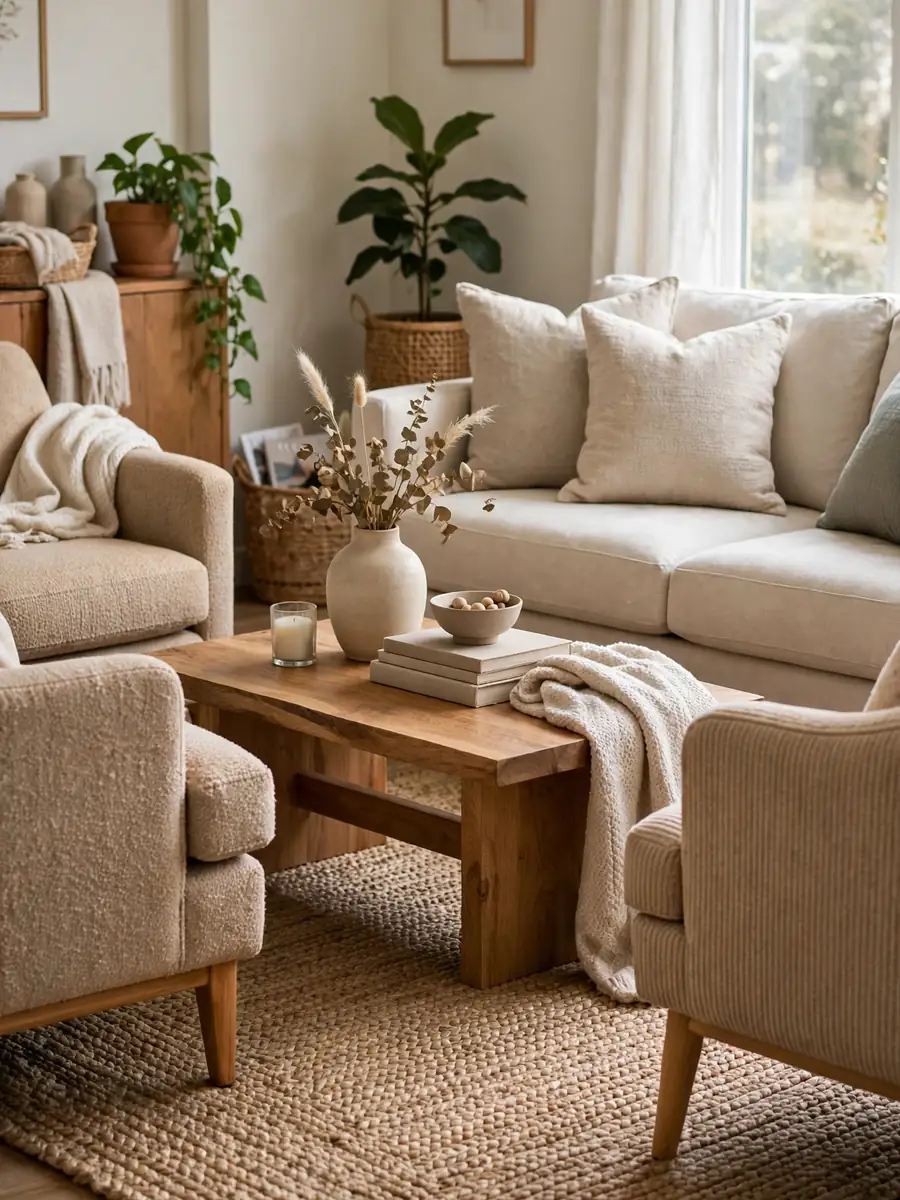
A rug that is too small is one of the most common reasons a living room feels unfinished. As a rule of thumb, the front legs of the sofa and chairs should sit on the rug. Measure the seating area before you shop, and tape the outline on the floor with painter's tape to check the fit. A plain, low-pile rug in a neutral tone typically costs around $80–$250 as of 2026, depending on size.
3. Give the Room One Clear Focal Point
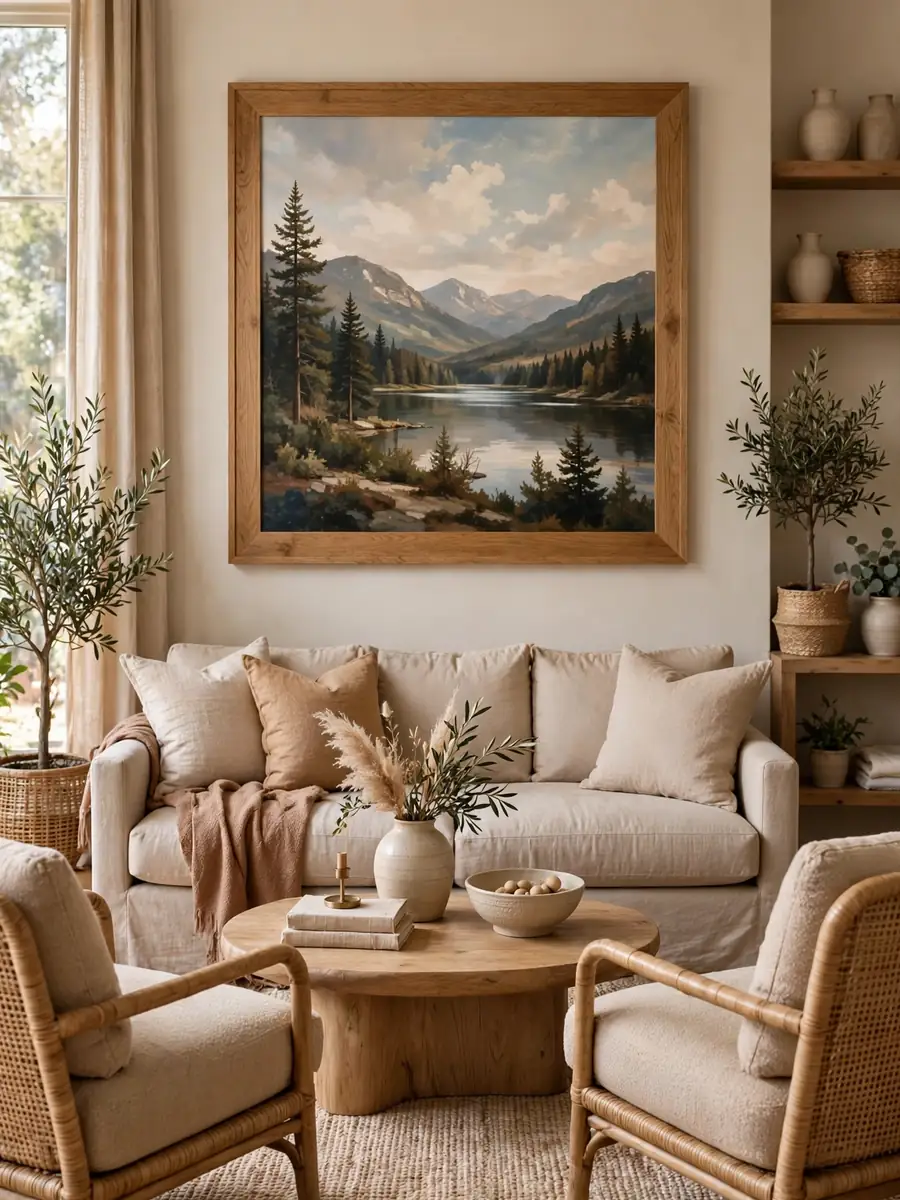
Every finished room has one spot the eye lands on first: a fireplace, a large window, a gallery wall, or the television. Arrange the main seating to face that point, and keep competing focal points quiet. If you have no natural focal point, create one with a large piece of art or a painted accent wall. Renters: check your lease before painting, and consider removable wallpaper or a large framed print instead.
4. Leave Breathing Room on the Traffic Paths
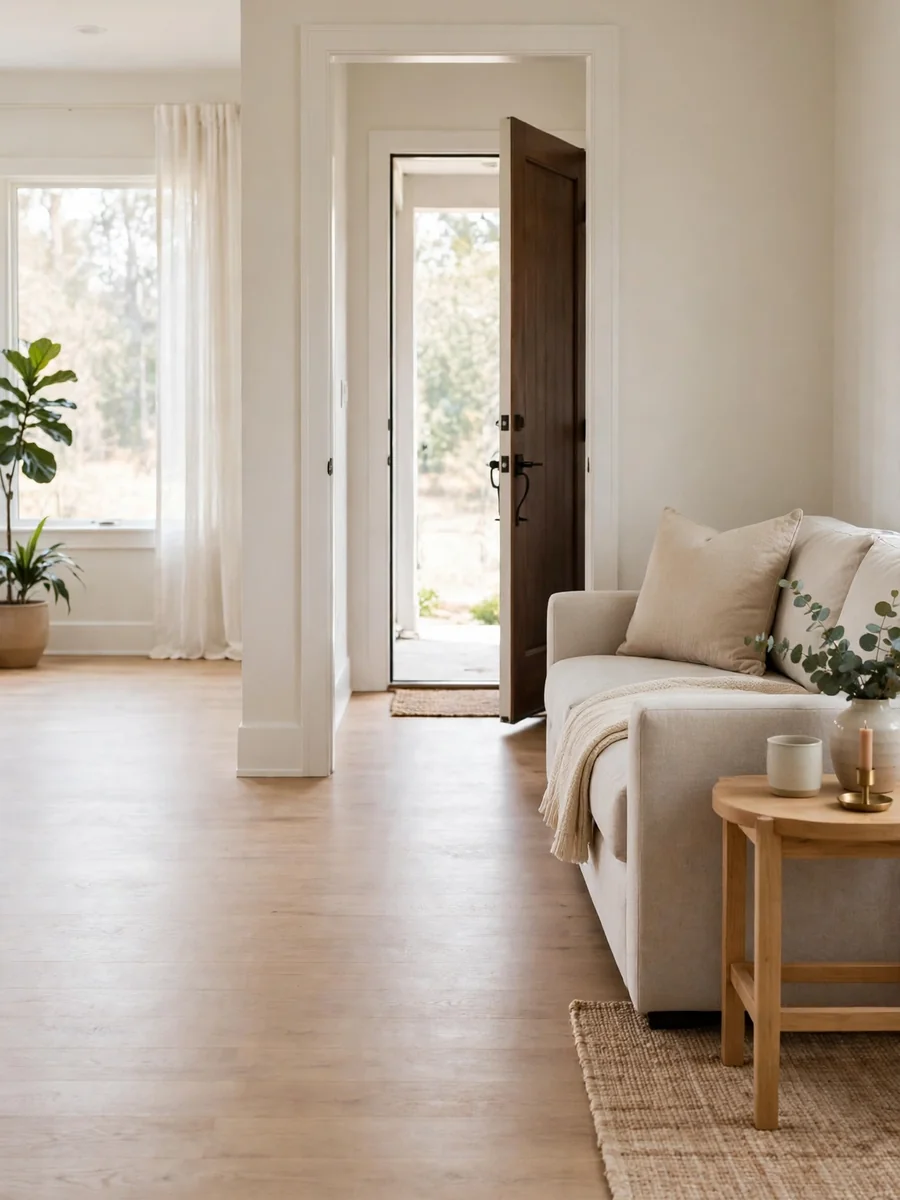
A finished room is one you can walk through without sidestepping furniture. Keep the main path from the door to the rest of the home at least 30 inches wide, and resist filling every empty corner. One clear surface gives the eye somewhere to rest and makes the decorated areas stand out more. Cost: free.
Layer Colour and Texture
Colour and texture are what turn a set of furniture into a room with a mood. The trick is repetition: a colour that appears once looks like an accident, but the same colour in three places looks like a plan.
5. Pick Three Colours and Repeat Them

Choose one main neutral, one secondary colour, and one accent, then repeat each at least three times around the room — in cushions, throws, art, books, or a vase. A common combination is warm white, sage green, and wood tones. Shopping with a short list of your three colours in mind also stops impulse buys that clash when you get them home. Cost: free if you shop your own home first.
6. Mix Three Textures in Every Seating Area

A room full of smooth, hard surfaces feels cold; a room full of soft ones feels shapeless. Aim for a mix on and around the sofa: something woven, something soft, and something hard such as wood, metal, or ceramic. A throw blanket over one arm and a textured cushion or two usually does the job, typically $25–$60 as of 2026 for both.
7. Swap Cushion Covers Instead of Buying New Cushions
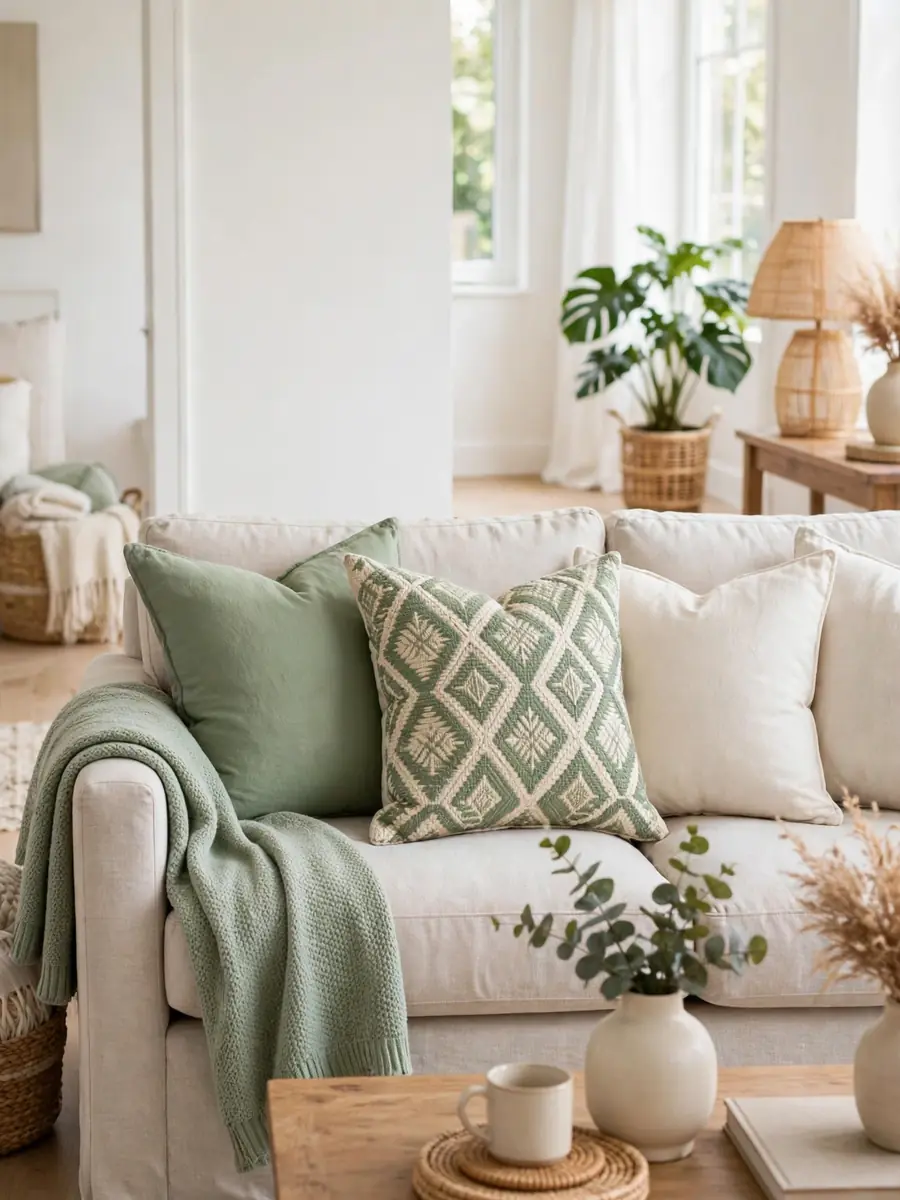
New cushion covers are one of the cheapest ways to change a room's whole colour story. Keep the inserts you already own and buy covers in your three chosen colours, mixing one pattern with solids so the arrangement does not look flat. Washable covers are a practical choice if you have kids or pets. A set of two covers typically costs around $15–$35 as of 2026.
8. Hang Curtains High and Wide
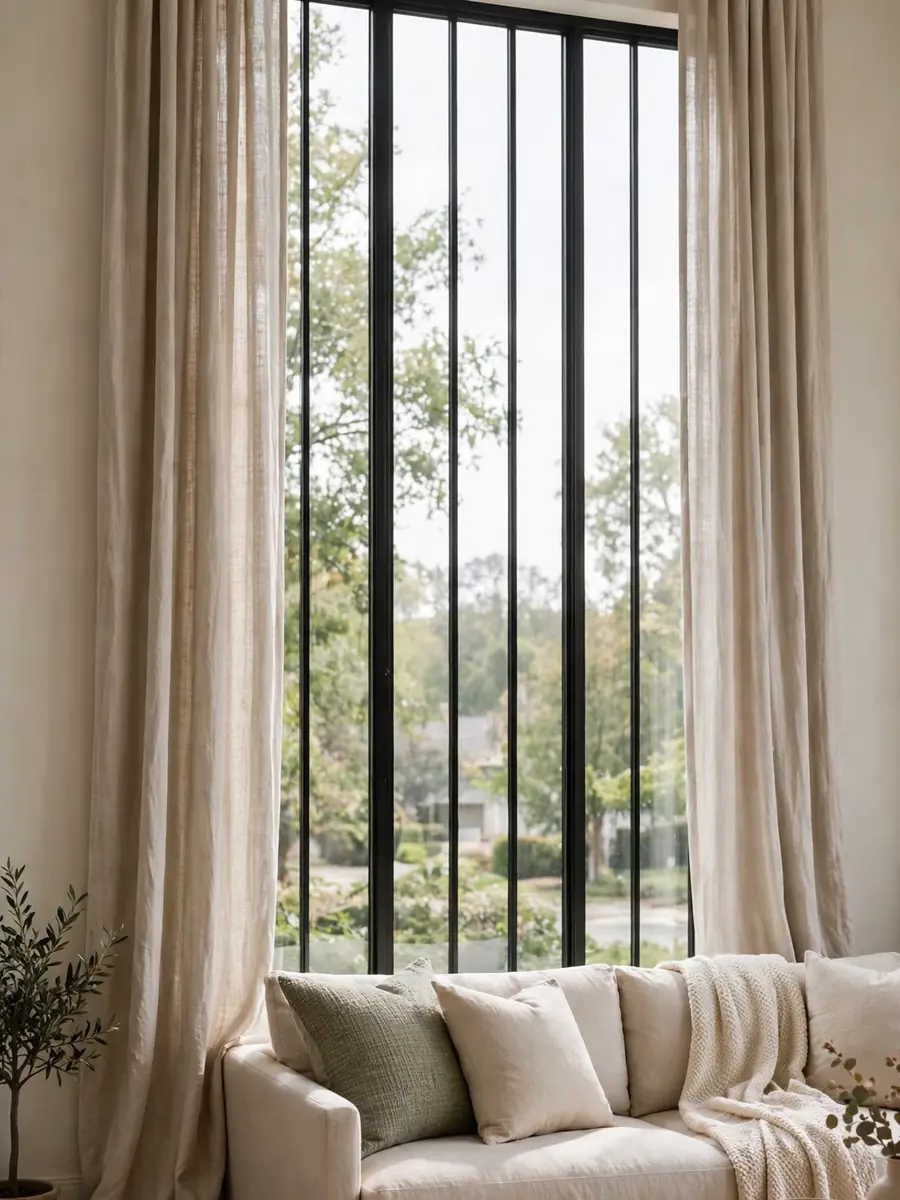
Curtains hung just above the window frame can make a window look small; mounted near the ceiling and extending a few inches past the frame on each side, the same curtains make the window — and the room — feel taller and wider. Choose a light-filtering fabric in a colour close to your walls for a soft look, or a deeper tone for contrast. Renters: use a tension rod inside the frame or removable adhesive hooks rated for the weight, and avoid drilling into window trim without written landlord permission.
Light It Like You Live There
Most living rooms rely on a single overhead light, which flattens everything. Layered light — at different heights, in different corners — is what makes a room feel warm in the evening and usable all day.
9. Use Three Light Sources at Three Heights

Aim for one overhead light, one table or floor lamp at seating height, and one low accent light such as a small lamp on a shelf or a candle-style LED. Three sources at three heights spread light evenly and let you switch the mood: bright for reading, low and warm for an evening in. A simple floor lamp typically costs around $30–$80 as of 2026.
10. Bounce Light With a Mirror Opposite a Window
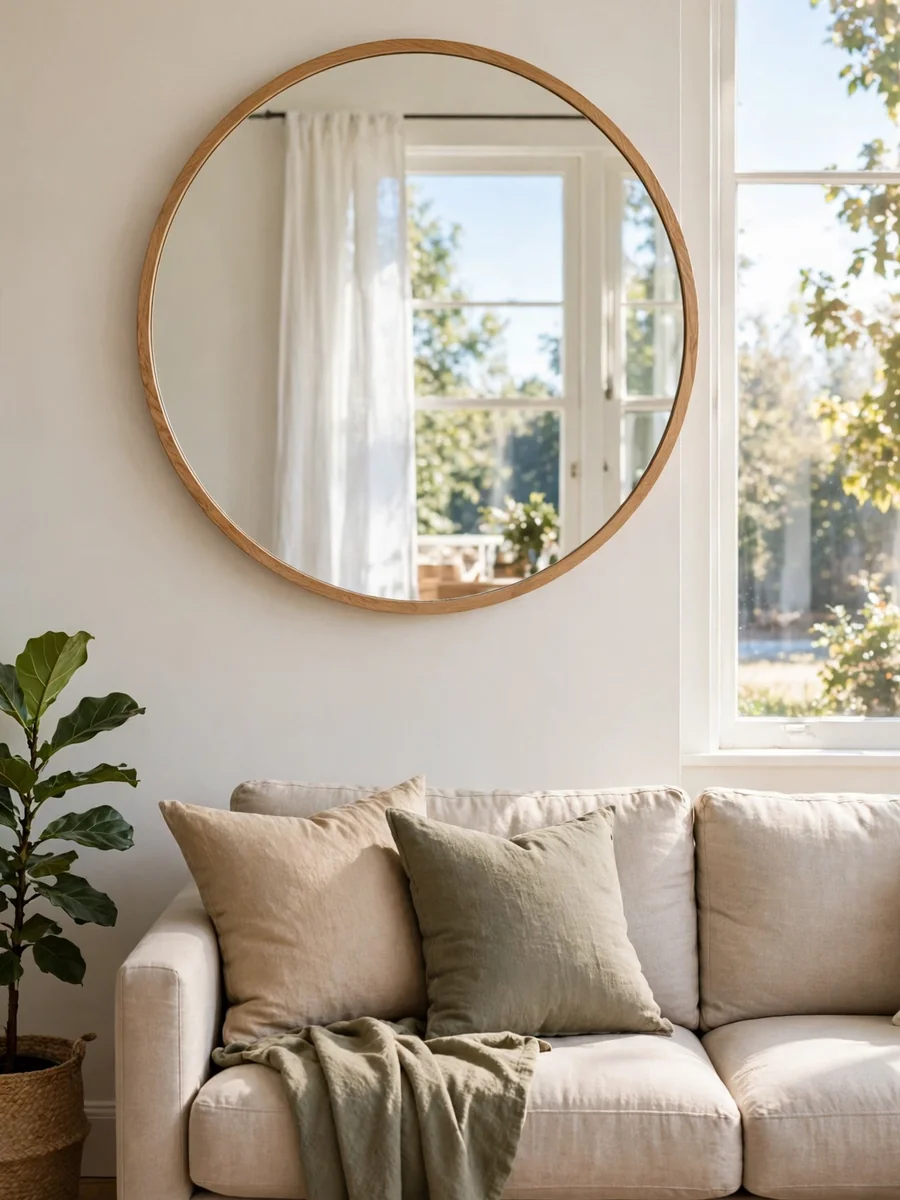
A mirror hung opposite or beside a window reflects daylight deeper into the room and makes the space feel larger. Keep the frame simple and the mirror at eye level, and check what it reflects — a mirror facing a blank wall or clutter doubles the clutter. Hang it securely: use a picture hook rated for the mirror's weight, and renters should use removable hanging strips only for light frames, never for a heavy mirror.
11. Warm Up the Bulbs
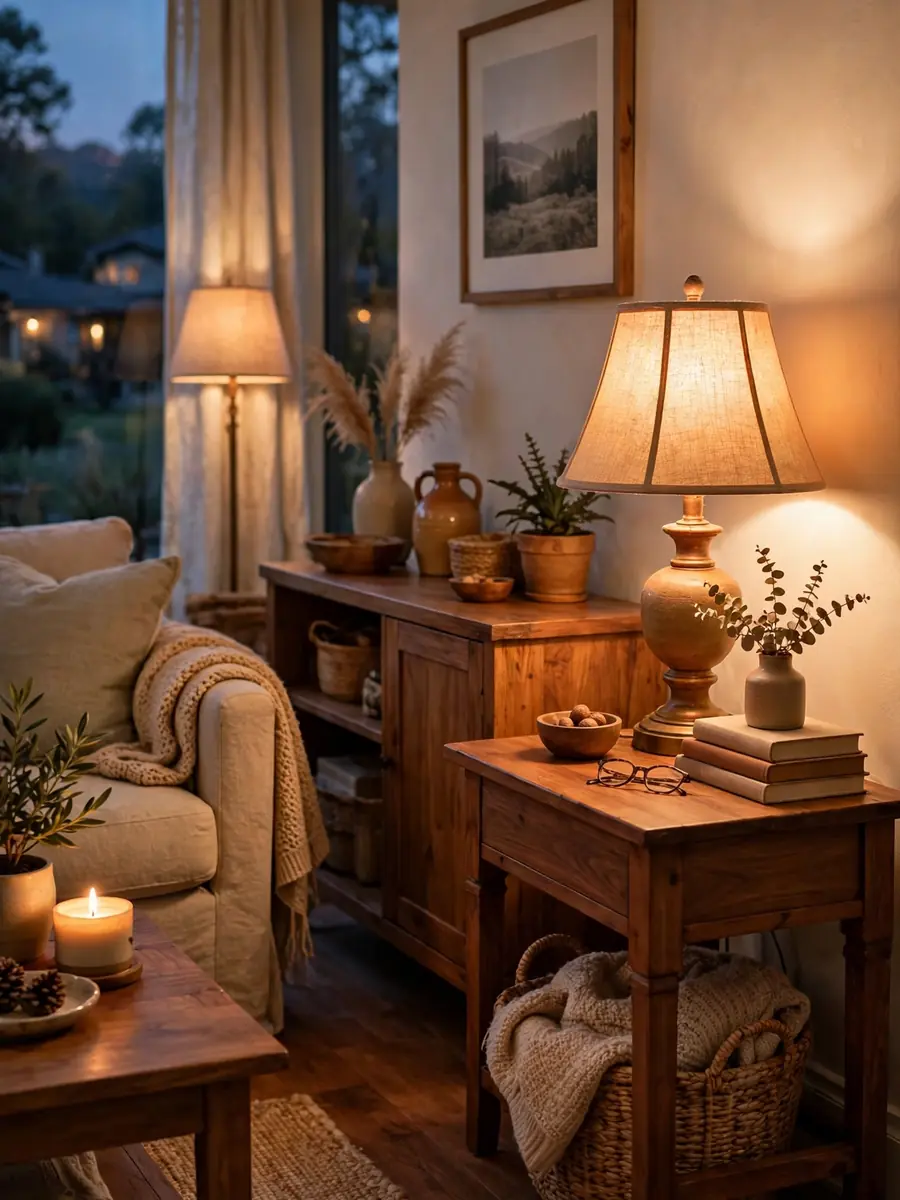
Cool white bulbs can make a living room feel like an office. Warm white bulbs (around 2700K on the box) flatter wood tones, skin tones, and warm colours, and they cost the same as cool ones. Swap the bulbs in your lamps first — that is where warm light matters most — and keep the overhead light on a dimmer if your fixture allows it. A pack of warm white LED bulbs typically costs around $8–$15 as of 2026.
Make It Yours
This is the layer that separates a finished room from a furniture display: the things that could only belong to the people who live there.
12. Build a Small Gallery Wall

Group three to five framed pieces — photos, prints, or even fabric swatches in frames — on one wall, keeping the spacing even and the centre of the arrangement at eye level. Start by laying the frames on the floor and arranging them there before anything goes on the wall. Renters: use removable picture-hanging strips for light frames, and lean larger framed art on a console or the floor against the wall instead of drilling. For trickier layouts, see Awkward Living Room Layout Fixes for ideas on working around odd walls and angles.
13. Style the Coffee Table in Threes

A coffee table styled in odd numbers looks considered rather than cluttered: a stack of two or three books, a small plant or vase, and one personal object such as a candle holder or a souvenir. Keep one third of the surface clear so the table stays usable. A tray underneath the grouping pulls the pieces together and makes the whole arrangement easy to lift when you need the space. Cost: free if you shop your shelves.
14. Add One Real Plant (and Keep It Alive)
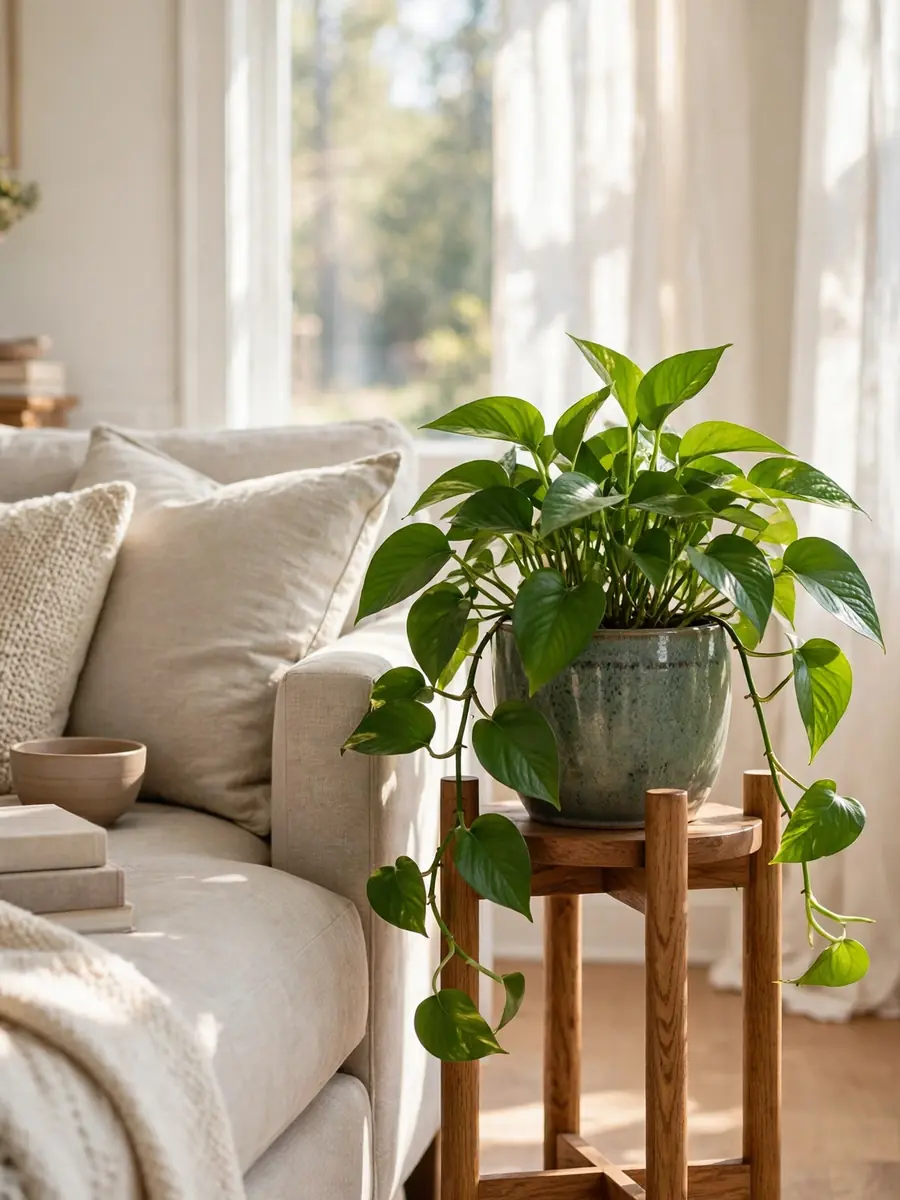
A single healthy plant adds life, height, and a shot of green that no cushion can match. Start with a forgiving variety such as a pothos or snake plant, place it where it gets the light it needs, and water it on a set day each week rather than guessing. If pets or small children share the room, check that the variety you choose is safe for your household before buying. A small potted plant typically costs around $10–$25 as of 2026.
15. Create One Personal Corner

Finish the room with a corner that tells your story: a reading chair with a lamp and a stack of books, a shelf of travel souvenirs, or a record player with your favourite albums nearby. Keep it small and specific — one corner done well beats a room full of half-finished displays. This is also the easiest spot to refresh seasonally without touching the rest of the room. If you want a second wall to dress up, Bedroom Accent Wall Panel Ideas shows panel and colour techniques that translate well to a living room feature wall.
FAQ
How can I make my living room feel finished on a small budget?
Start free: rearrange the furniture into a conversation zone, clear the traffic paths, and shop your own home for cushions, books, and objects in your three chosen colours. Then spend on the highest-impact items first — usually a rug that fits and one good lamp.
What is the easiest first step if my living room feels bare?
Hang curtains high and wide, or add a rug that fits the seating area. Both change the proportions of the whole room in an afternoon, and both are reversible if you rent.
How many colours should a living room have?
Three is a good number: one main neutral, one secondary colour, and one accent. Repeat each colour at least three times around the room so the palette feels intentional.
Do I need to match all my furniture?
No. Matching sets can make a room feel like a showroom. Pieces in the same wood tone or colour family, with mixed textures, usually feel more collected and more personal.
How do I decorate a living room I rent?
Stick to reversible changes: removable wallpaper or large framed art instead of paint, tension rods or adhesive hooks instead of drilling, and rugs, curtains, lamps, and plants for colour and texture. Check your lease and get written permission before anything that marks a wall.
How often should I refresh my living room?
A light refresh — new cushion covers, a swapped throw, a rearranged shelf — once or twice a year keeps the room feeling current without a full redecoration. Keep the big pieces neutral so small swaps do the work.
Conclusion

A finished living room is not the most expensive living room, and it is not the one with the most things in it. It is the room where the layout makes conversation easy, the colours repeat on purpose, the textures invite you to sit down, the light works at every hour, and at least one corner could only belong to you.
Start with the free ideas — the layout, the breathing room, the colour hunt through your own shelves — and add the rest one at a time. Give each change a few days before judging it, and stop when the room feels done, not when the list runs out. That feeling, more than any single purchase, is the finish you were looking for.

Thiago Alexander is the Chief Editor at Nested Charm. With a deep passion for interior design and cozy living spaces, he leads the editorial team in crafting stories that make every house feel like a home.


One Comment