19 Renter-Friendly Decor Ideas for Duplexes and ADUs (Small, Shared Walls, Real Rules)
Executive Summary
A duplex or an accessory dwelling unit (ADU) can feel like a great deal — your own front door, a smaller footprint, and usually lower rent than a full house — until you hear your neighbour through the shared wall, realise the bedroom window faces their patio, or read the lease and find almost nothing can be screwed, nailed, or painted. Decorating here is about choosing pieces that do two jobs at once: make the space feel like yours while respecting the wall, the neighbours, and the deposit.
The ideas below are all reversible. Nothing asks you to drill into a shared wall, change a fixture, or paint a landlord’s finish. Costs are approximate planning figures, as of 2026.
In short: In a duplex or ADU, decorate with freestanding, removable, and sound-softening pieces — thick rugs, a bookshelf on the shared wall, layered curtains, and furniture that can move — so the home feels private and finished without risking the deposit.
1. Layer a Thick Rug and Rug Pad Over Hard Floors
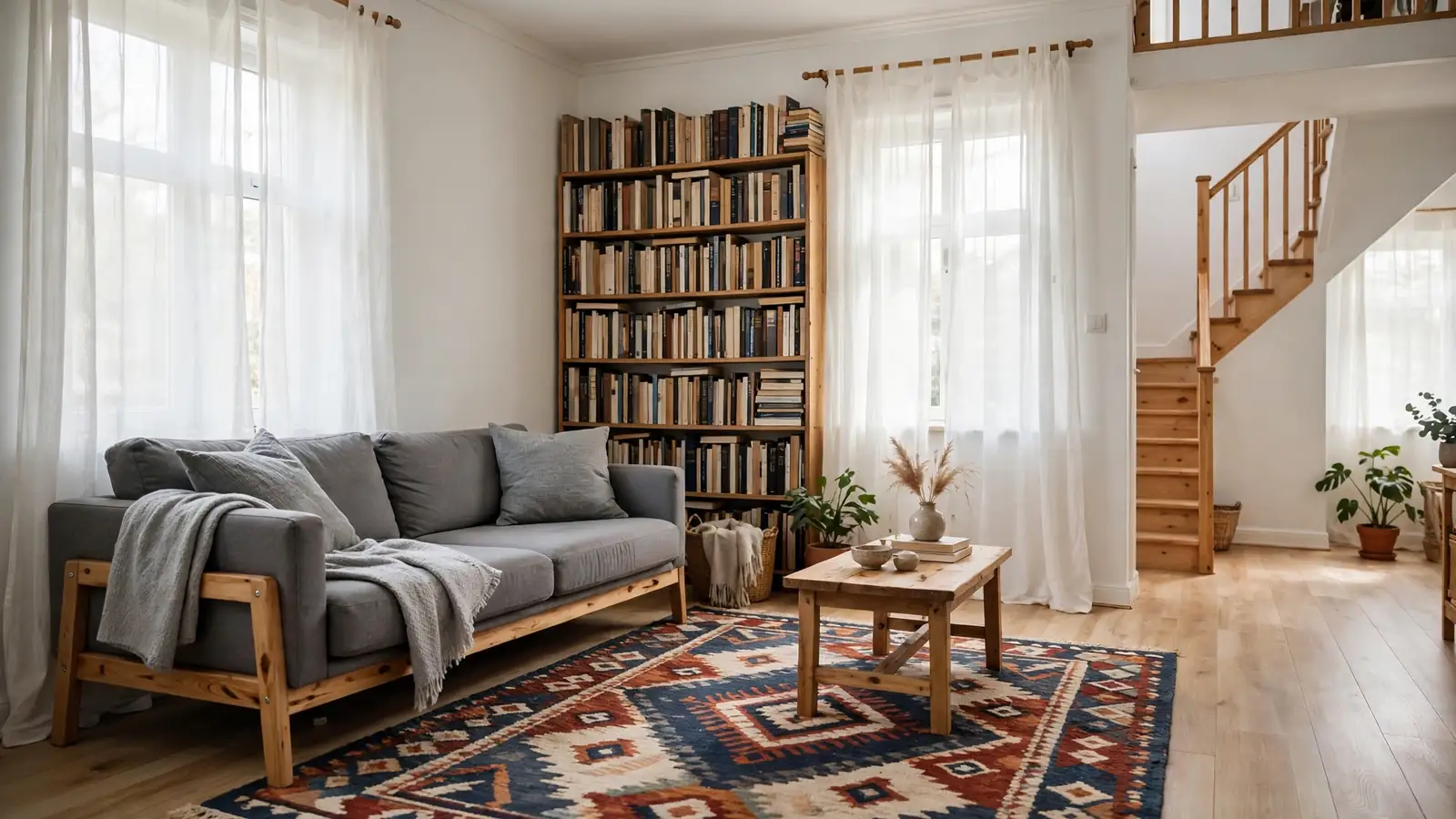
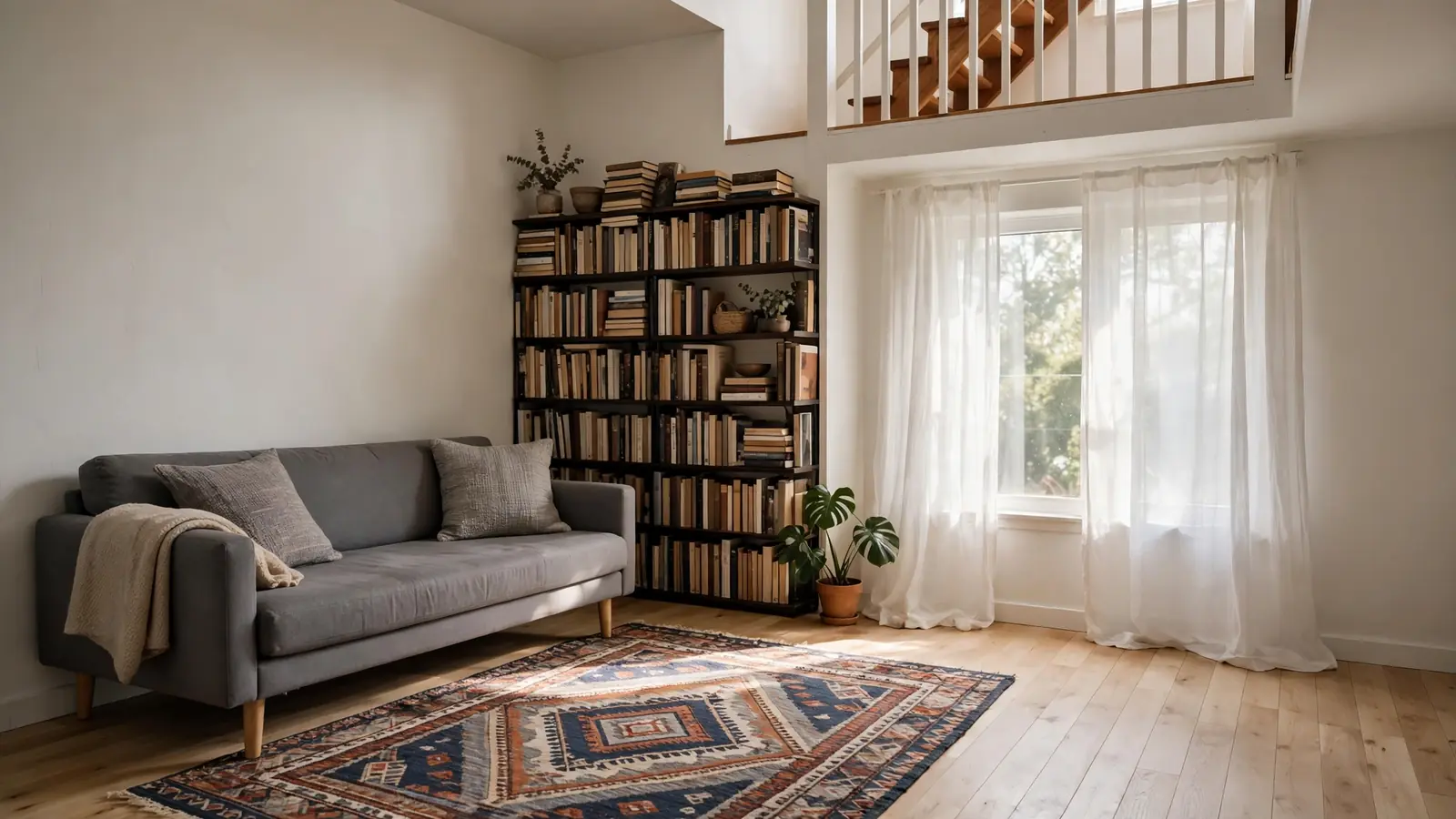
Hard floors carry every footstep and dragged chair straight through a duplex. A thick rug with a dense felt pad underneath softens sound at the source and warms the room underfoot. As of 2026, a good 5-by-7-foot rug typically costs about $80 to $180, with a felt pad adding about $25 to $50.

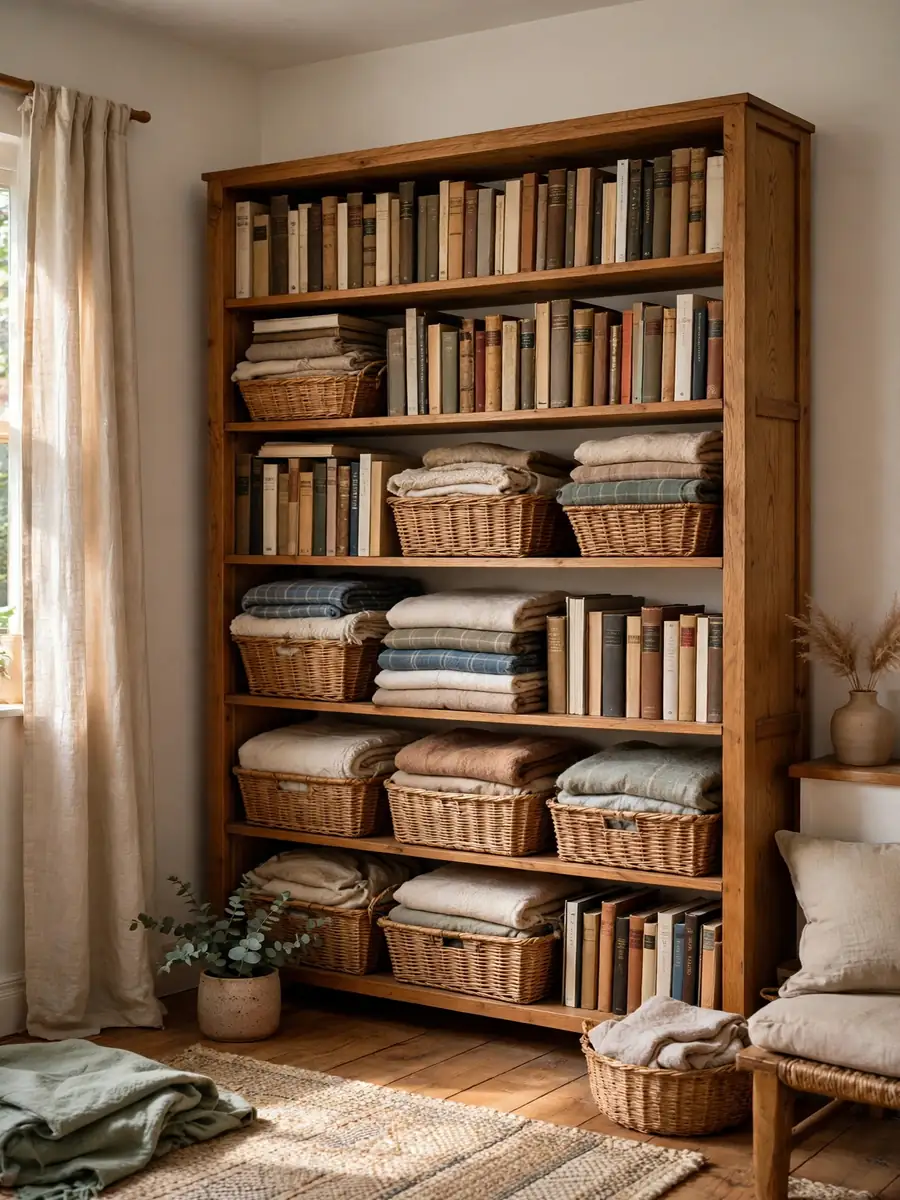
A tall, full bookshelf does more than store books. Packed with books, baskets, and folded textiles, it adds mass to the shared wall and helps muffle everyday sound, while giving you a display wall that needs no nails. Keep heavy items on the lowest shelves and leave a small gap behind it for airflow. As of 2026, a sturdy freestanding bookcase typically costs about $90 to $220.
3. Hang a Fabric Wall Hanging With Removable Hooks
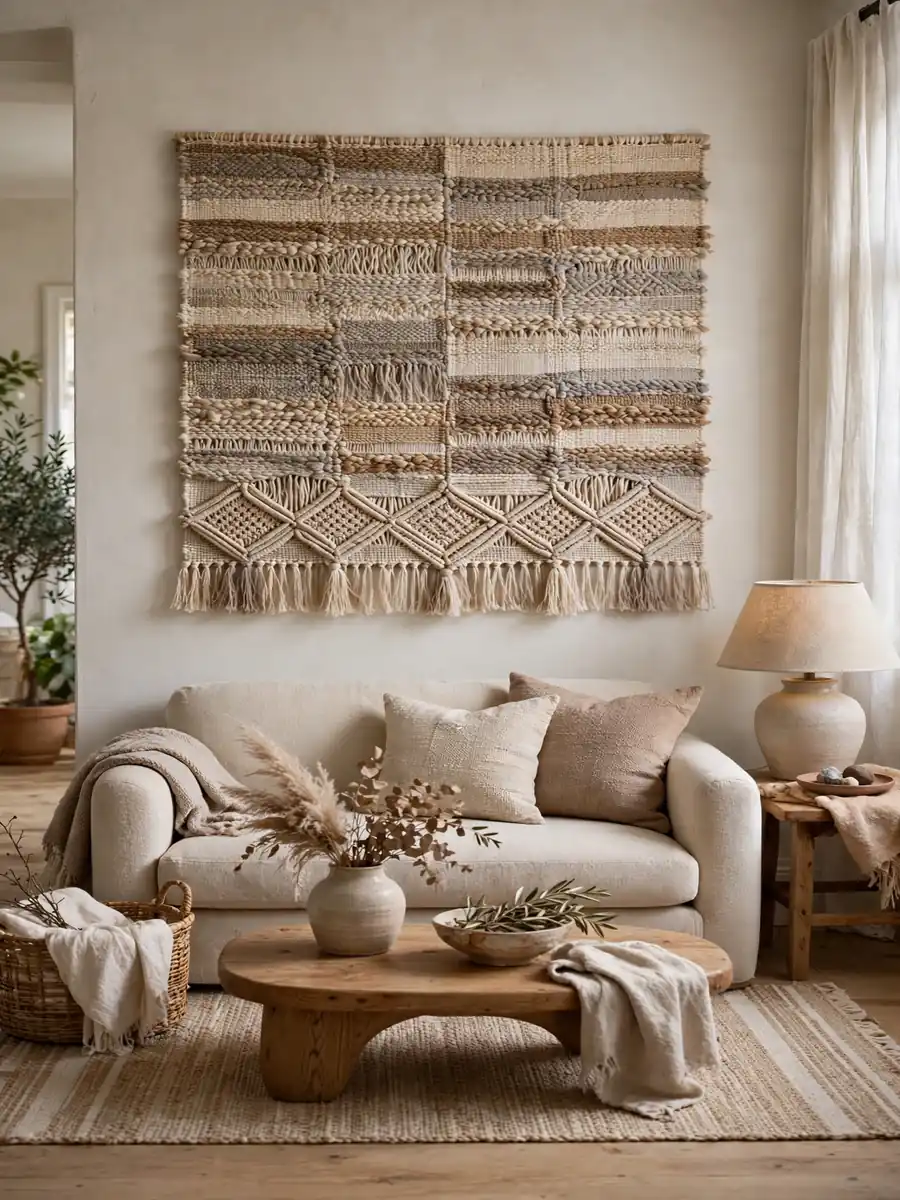
Bare shared walls bounce sound and look unfinished, but drilling is rarely worth the deposit risk. A large fabric wall hanging adds colour, pattern, and a soft layer that takes the echo out of a room, and it can hang from removable adhesive hooks rated for its weight. Use two or three hooks, and follow the removal instructions so paint does not peel. As of 2026, a fabric hanging typically costs about $25 to $70, with hooks adding about $8 to $15.
Sound, Privacy, and Good-Neighbour Habits
4. Add Draft Stoppers and Removable Door Seals
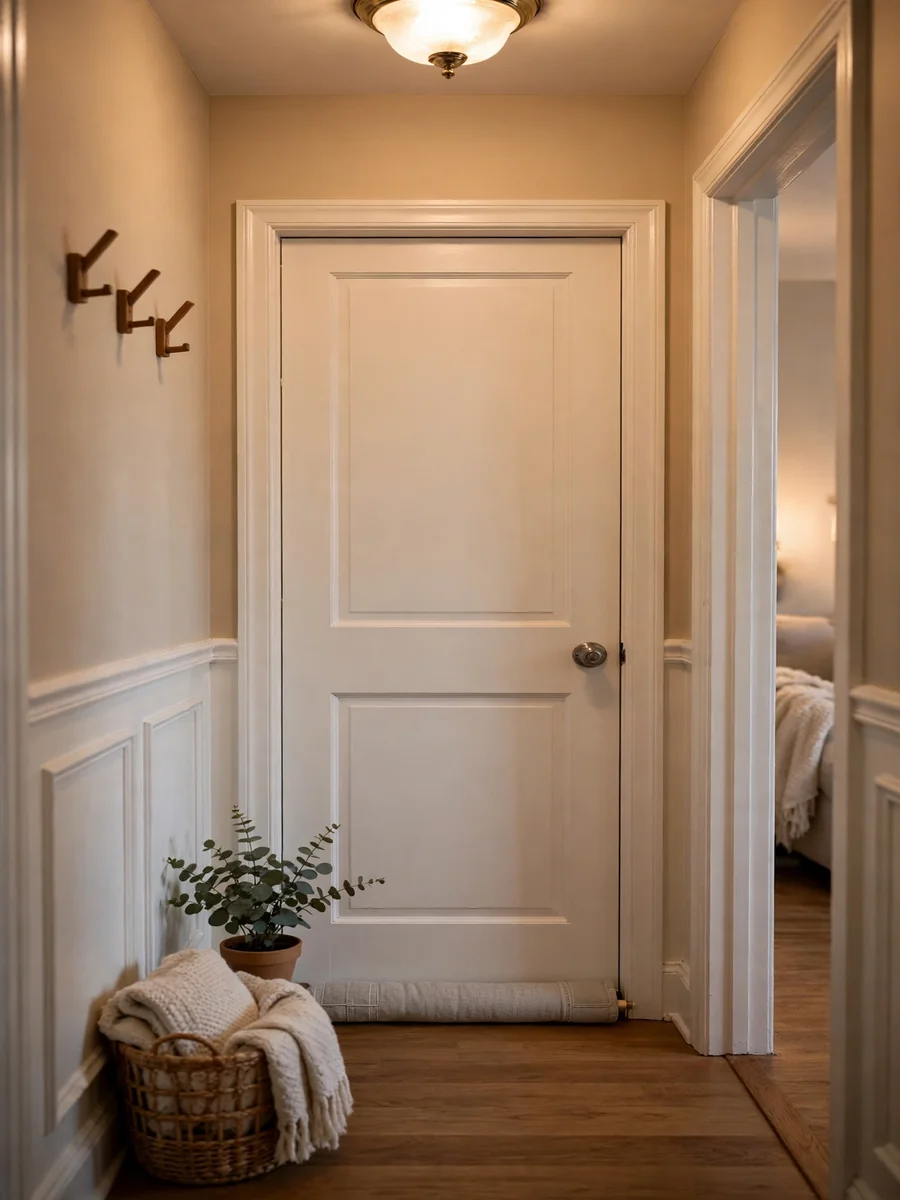
Gaps under doors let sound, cooking smells, and hallway light travel freely in a duplex. A fabric draft stopper at the base of the bedroom or living-room door, plus removable foam seals around the frame, can make a noticeable difference without changing the door itself. As of 2026, a draft stopper typically costs about $12 to $25, and a pack of removable seals about $10 to $18.
5. Layer Sheers and Blackout Curtains for Privacy
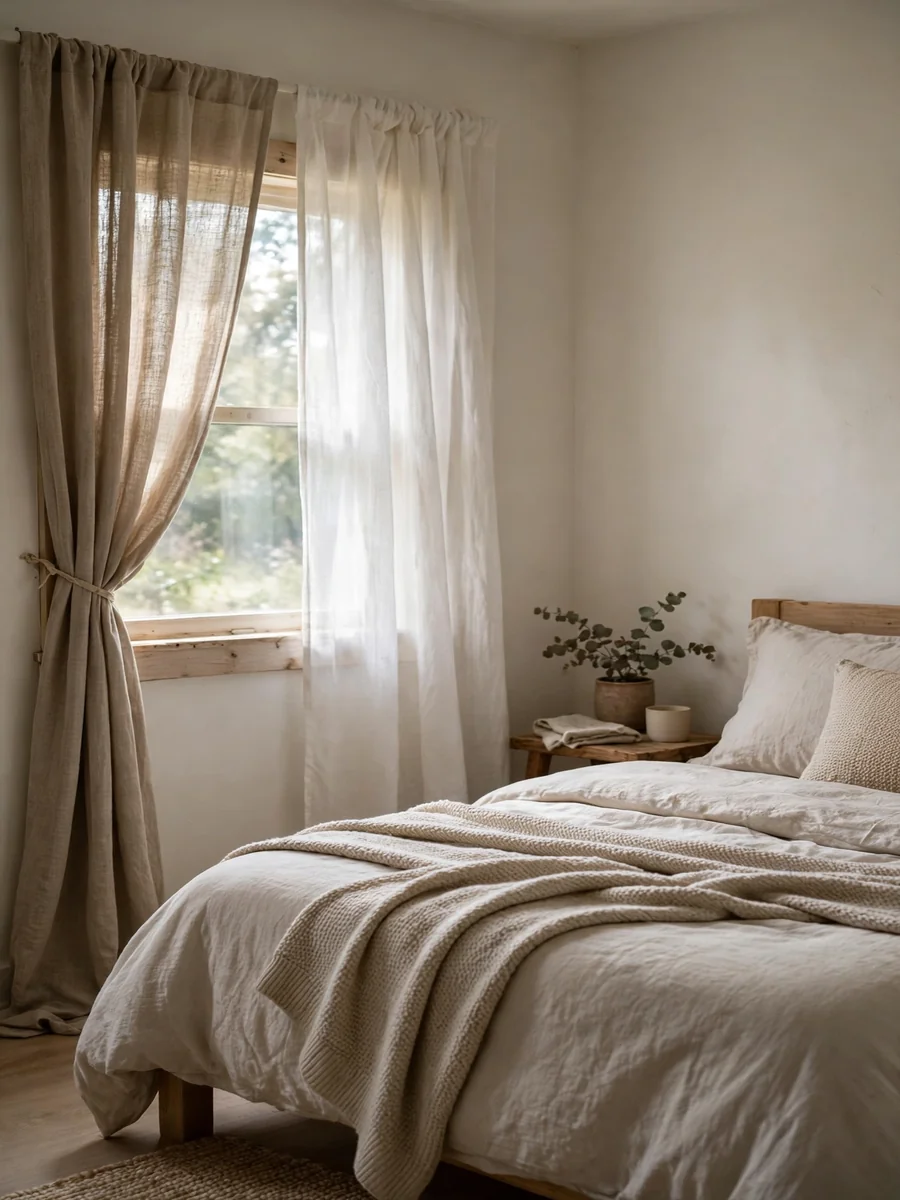
Ground-floor ADUs and duplex units often have windows at pavement or patio height, so privacy matters as much as light. Layer sheer curtains under blackout or lined curtains: sheers soften daylight and blur the view in during the day, while the heavier pair closes fully at night. As of 2026, sheer panels typically cost about $20 to $45 a pair, with blackout panels about $30 to $70 a pair.
6. Use Removable Frosted Film on Overlooked Windows
Bathroom and bedroom windows that face a neighbour’s yard, walkway, or shared driveway are a common duplex problem. Removable frosted window film lets daylight in while blocking a direct view, and static-cling film peels off at move-out with no residue. Cut the film slightly small and smooth it on with water. As of 2026, a roll typically costs about $12 to $25 and covers several small windows.

7. Choose Low, Leggy Furniture That Keeps Sightlines Open
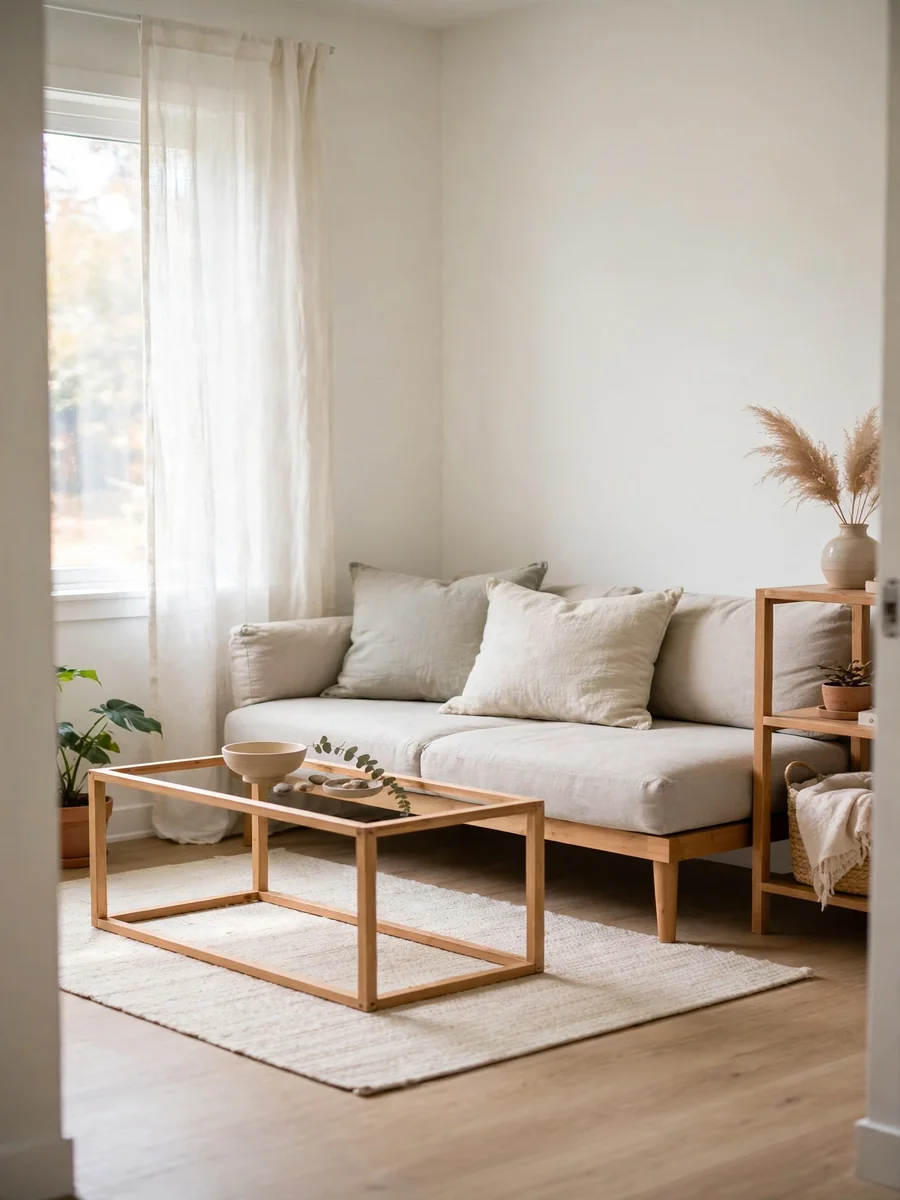
In a small duplex living room, bulky furniture with solid bases makes the room feel boxed in. Low sofas and chairs with visible legs let light and sightlines pass underneath, so the floor reads as continuous and the room feels larger. As of 2026, a compact two-seat sofa typically costs about $300 to $700, so measure doorways and stair turns before ordering. For more small-room layout help, see our awkward living room layout fixes.
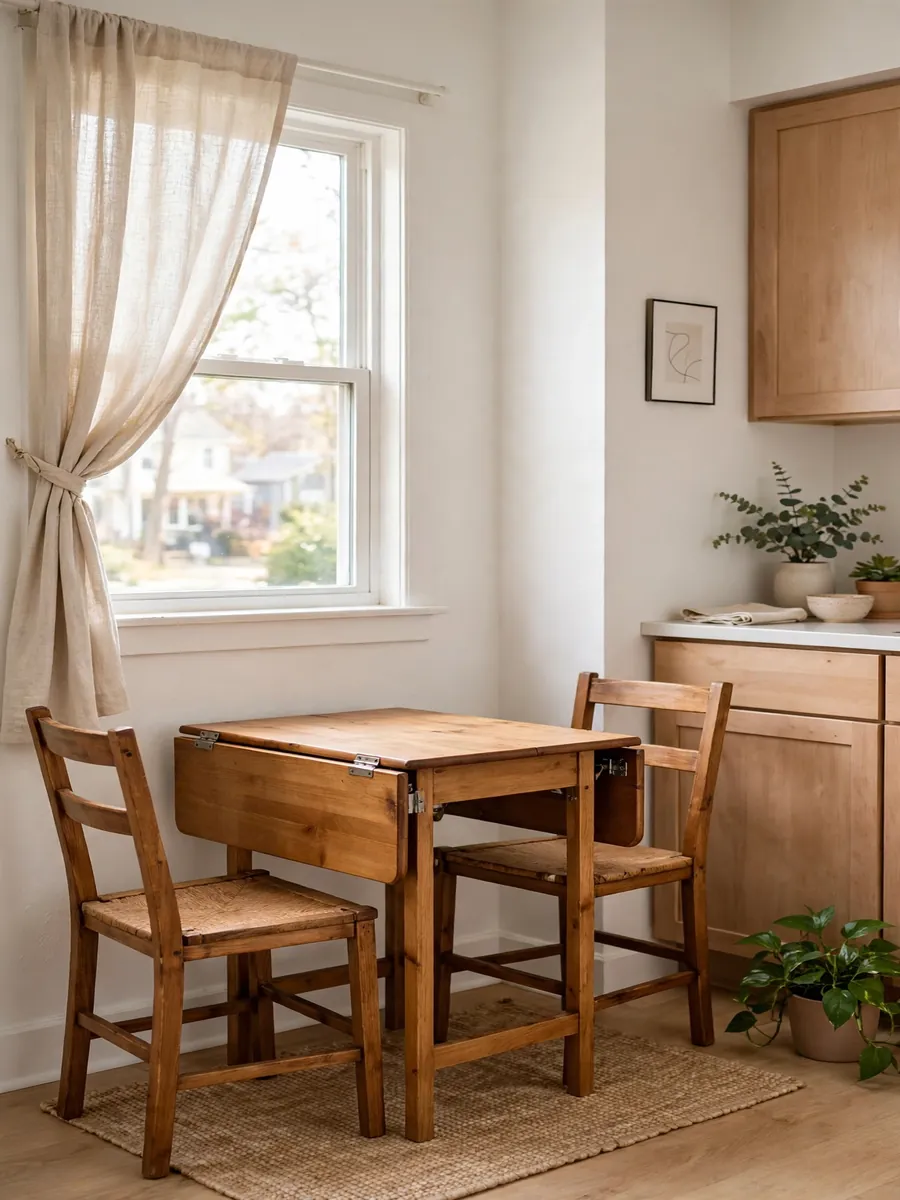
8. Swap a Bulky Dining Set for Nesting or Folding Tables
A fixed four-seat dining table can eat a third of a small ADU. A folding drop-leaf table seats two for everyday meals and opens up for guests, while nesting tables tuck under each other beside the sofa. A wall-leaning console can double as a desk in the same way. As of 2026, a drop-leaf table typically costs about $120 to $300, and nesting tables about $60 to $150.
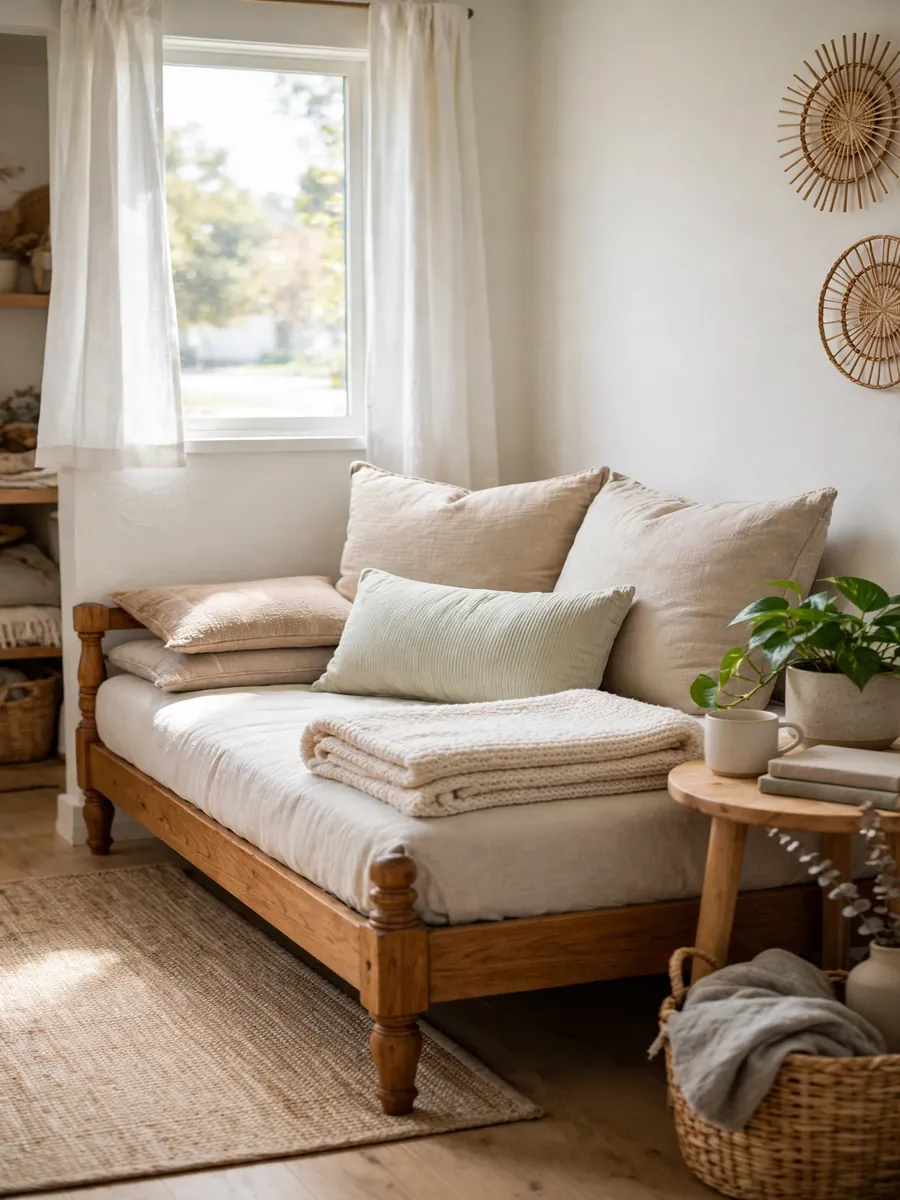
9. Let a Daybed or Sleeper Sofa Do Two Jobs
When the living room is also the guest room, a daybed or sleeper sofa earns its footprint twice. Dressed with cushions and a throw by day, a daybed reads as a sofa; at night, it becomes a proper bed without an air mattress on the floor. As of 2026, a daybed frame with a mattress typically costs about $250 to $600, and a compact sleeper sofa about $500 to $1,100.
Storage Without Drilling Into Trouble
10. Use a Freestanding Wardrobe Instead of Drilling Closet Rods
Many duplexes and ADUs have shallow closets, or none at all in the bedroom. A freestanding wardrobe or an open garment rack with a fabric cover gives you hanging space without a single screw, and it moves with you at the end of the lease. As of 2026, a freestanding wardrobe typically costs about $150 to $400, and a sturdy garment rack about $40 to $90. For more closet storage inspiration, see our closet inspo ideas.

11. Roll Storage Where You Need It With Carts and Baskets
Kitchens and bathrooms in ADUs are often short on cabinets, and the fix does not need a renovation. A narrow rolling cart fits between the fridge and the wall, holds pantry goods or cleaning supplies, and rolls out of the way for cooking. As of 2026, a three-tier rolling cart typically costs about $30 to $70, and a set of lidded baskets about $25 to $60.

12. Hang Over-Door Hooks and Organisers — No Screws Needed
The backs of doors are free storage in a small home, and over-door hooks use them without drilling. Choose hooks with a padded bracket so they do not scratch the door’s finish, and check the door still closes and latches fully. As of 2026, a hook rack typically costs about $12 to $30, and an organiser about $15 to $35.

Light, Colour, and Texture That Open the Space
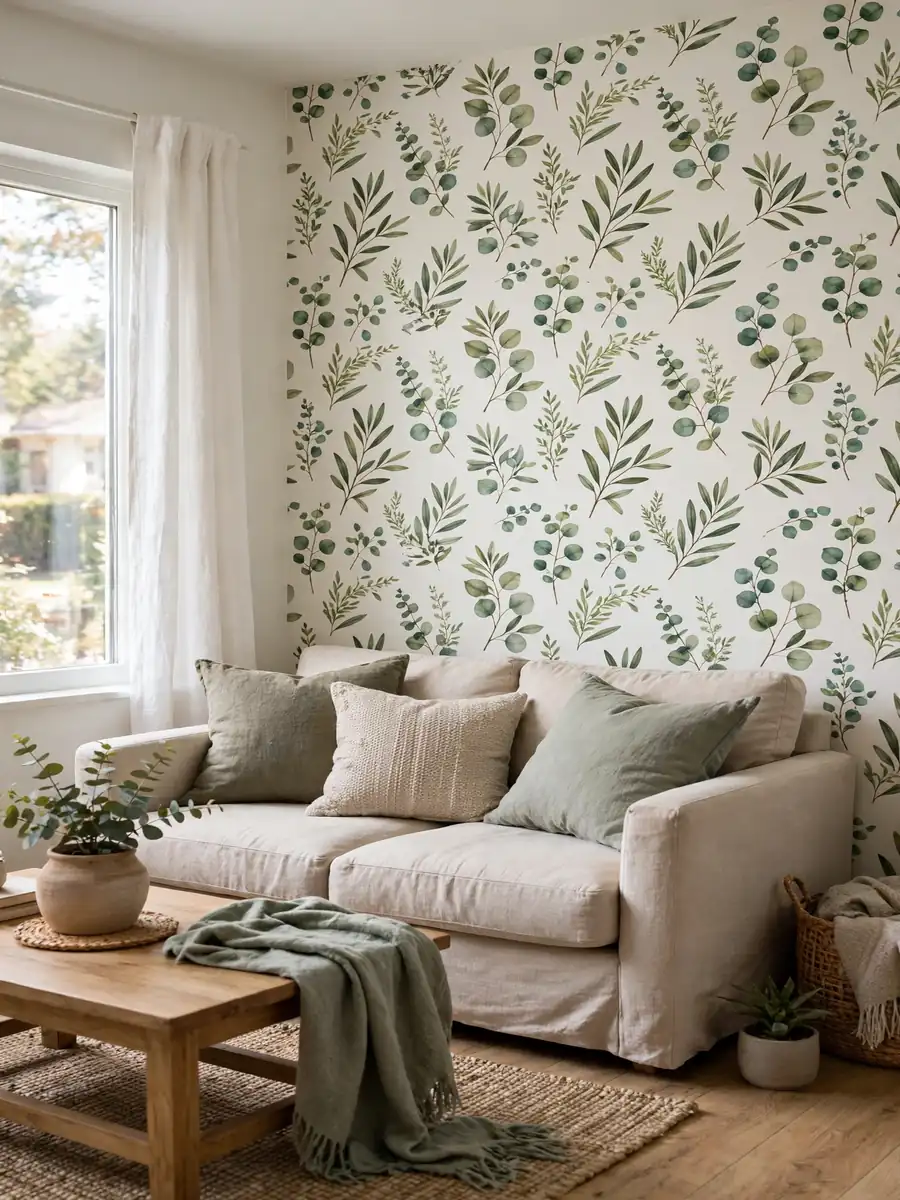
13. Try Peel-and-Stick Wallpaper on One Accent Wall
Peel-and-stick wallpaper is the closest a renter gets to a painted feature wall, and one accent wall is enough to change a room. Apply it to a smooth, clean wall, working from the top down. As of 2026, a roll typically costs about $30 to $60, and one wall usually needs two to three rolls. Test a small piece first, and check the lease, since some landlords ban even removable wallpaper.
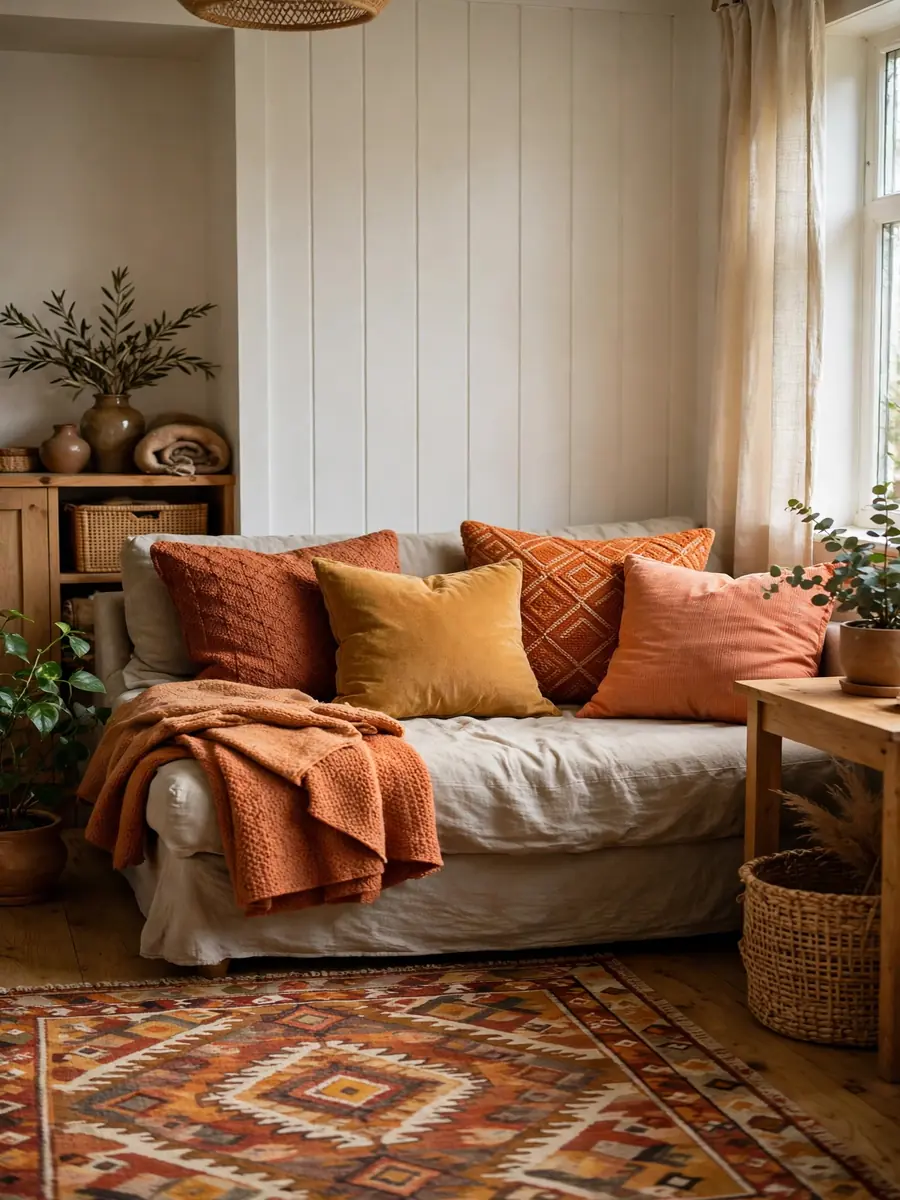
14. Bring Colour In Through Textiles, Not Paint
When painting is off the table, textiles carry the colour. A warm throw over the sofa arm, cushions in two or three coordinating colours, and a patterned rug can set the whole palette of a room, and every piece can be swapped seasonally or taken to your next home. As of 2026, cushion covers typically cost about $20 to $45 a set, and a soft throw about $25 to $60.
15. Layer Lamps and Flameless Candles Instead of Changing Fixtures
Most duplex and ADU leases forbid changing light fixtures, but you do not need to. A floor lamp in a dark corner, a table lamp beside the sofa, and a small lamp on a shelf give you three levels of light you can switch on separately, which flatters a small room far more than one bright ceiling light. As of 2026, a floor lamp typically costs about $40 to $90, and a set of flameless candles about $12 to $25.

Rooms That Do Double Duty
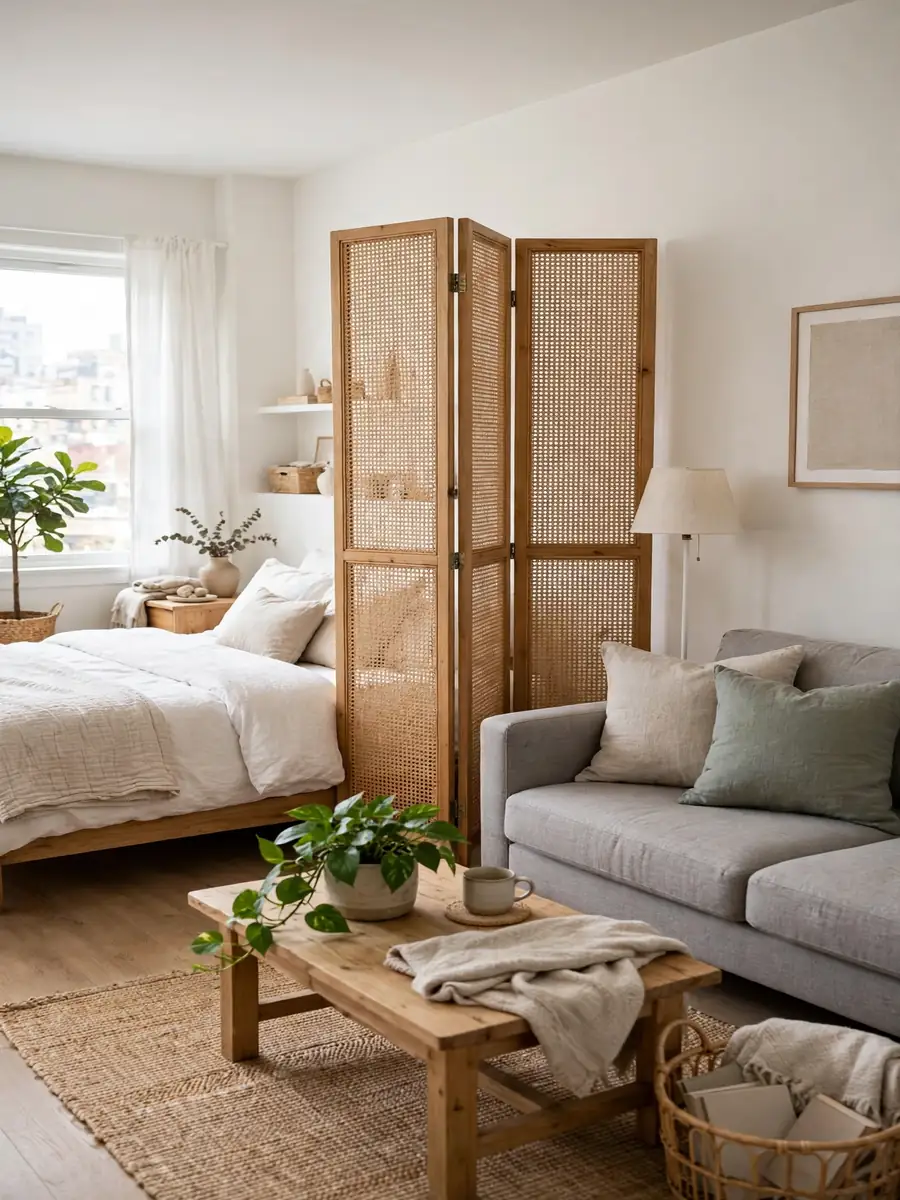
16. Zone a Studio ADU With a Folding Screen or Curtain
A studio ADU needs a bedroom, a living room, and sometimes an office in one open space. A folding screen or a curtain hung from a tension rod creates a visual bedroom wall that folds away when guests arrive, without building anything. As of 2026, a three-panel screen typically costs about $60 to $150, and a tension-rod curtain setup about $30 to $70.
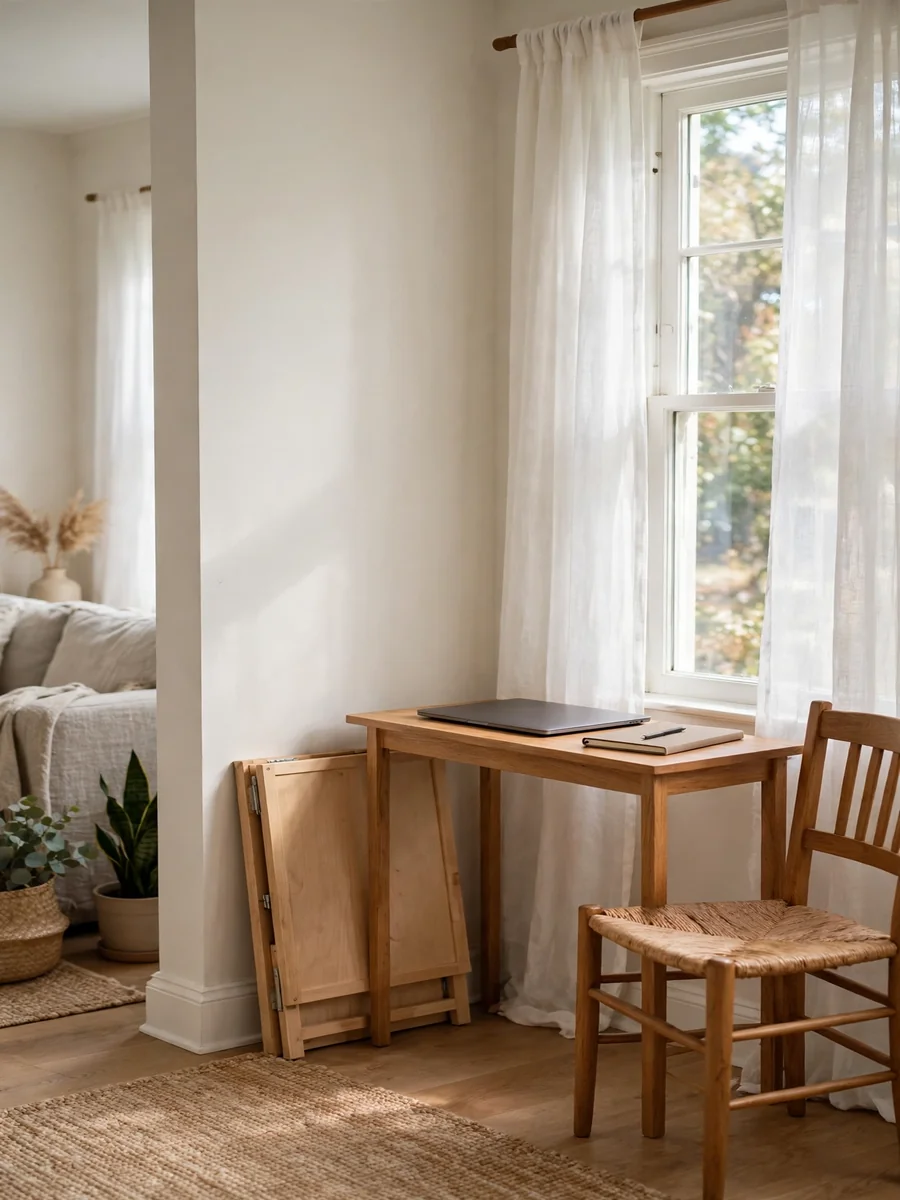
17. Set Up a Fold-Away Desk That Disappears After Work
Working from a duplex often means the desk lives in the bedroom or living room, and a permanent desk can take over the space. A fold-down desk that leans against the wall, a narrow console that doubles as a desk, or a laptop table that slides under the sofa lets you work comfortably and then reclaim the room. As of 2026, a fold-away desk typically costs about $80 to $200, and a laptop table about $40 to $90.
18. Make a Slim Entry Drop Zone With a Bench and Hooks
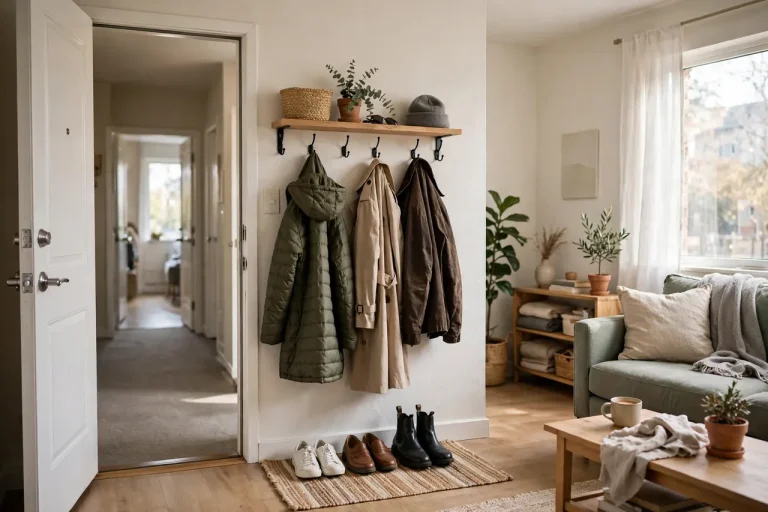
Duplex entries are often a narrow hallway shared with a neighbour’s door, so a slim drop zone keeps your things tidy without blocking anyone. A narrow bench with shoe storage underneath, a small tray for keys, and a freestanding hook stand give everyone a place for coats, bags, and shoes the moment they come in. As of 2026, a slim entry bench typically costs about $70 to $180, and a hook stand about $30 to $70.

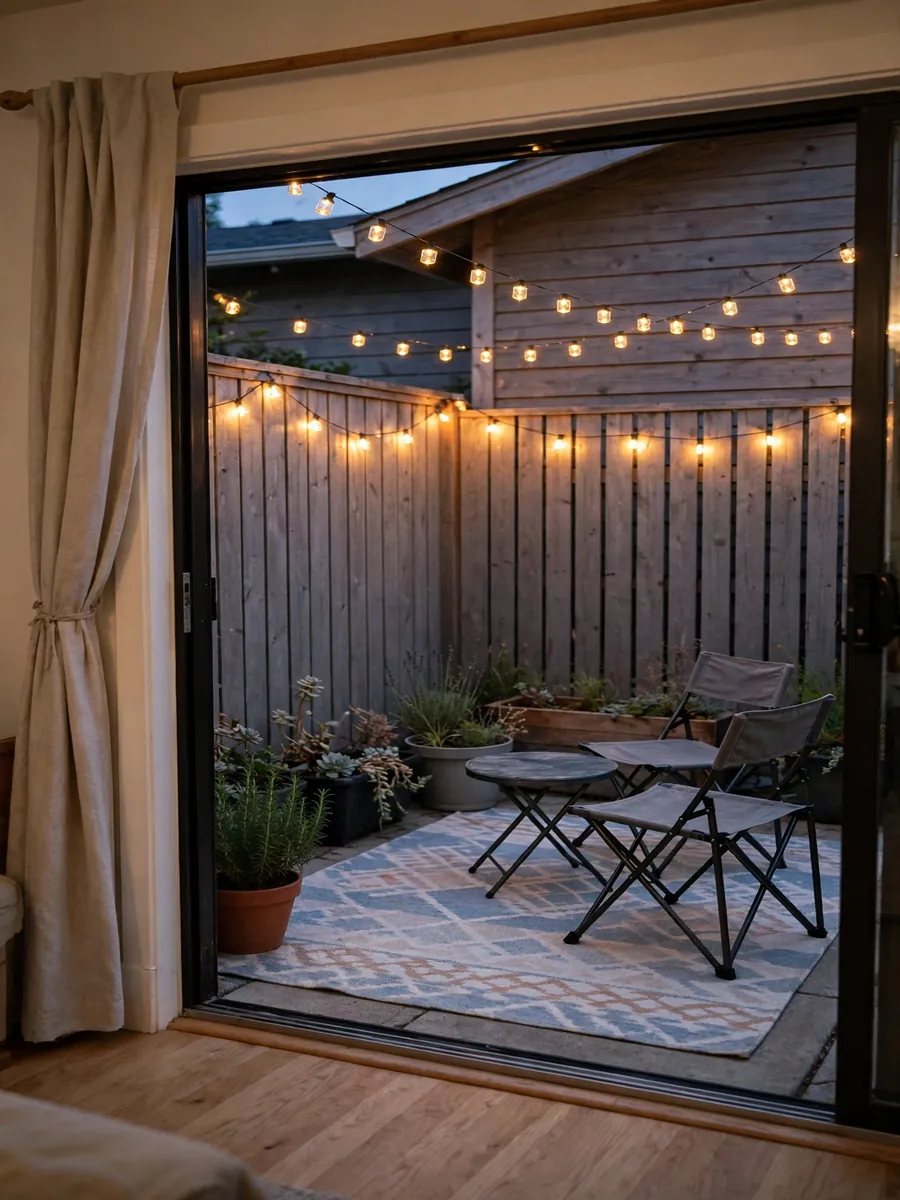
A shared patio or small ADU yard can be the best room in the house if it is dressed lightly and respectfully. Portable planters, a washable outdoor rug, and folding chairs define your side of the space without building anything permanent, and everything can move indoors or to your next home. As of 2026, an outdoor rug typically costs about $40 to $100, planters about $30 to $80 a set, and solar string lights about $20 to $45.
Frequently Asked Questions
Can I decorate a duplex or ADU without losing my deposit?
Yes, in most cases, if you stick to reversible changes. Freestanding furniture, removable hooks and film, rugs, curtains, and textiles can all be removed at move-out.
Start at the source: a thick rug and pad on hard floors, soft furnishings that absorb echo, and a full bookshelf against the shared wall. Draft stoppers and door seals help with sound travelling under and around doors.
Can I use peel-and-stick wallpaper in a rental?
Often yes, but check the lease first, because some landlords ban all adhesive products, including removable ones. Test a small piece in a hidden spot, apply it to a smooth, clean wall, and remove it slowly at move-out following the maker’s instructions.
How do I get privacy in a ground-floor ADU?
Layer sheers under blackout curtains so you have daylight and privacy during the day and full cover at night, and add static-cling frosted film to windows that face a neighbour’s yard or walkway. Avoid anything that screws into the window frame unless the lease allows it.
What furniture works best in a small duplex living room?
Low, leggy pieces that keep sightlines open, and furniture that does two jobs — a daybed or sleeper sofa, nesting tables, a drop-leaf table, and storage that rolls or folds away.
Keep everything portable and inside your own boundary: planters, an outdoor rug, folding chairs, and solar lights on a freestanding hook. Ask before attaching anything to a shared fence or wall, keep walkways clear, and bring cushions in during rain.
Conclusion
A duplex or an ADU asks for a different kind of decorating — one that listens through the wall as well as looks at the room. Thick rugs, a bookshelf on the shared wall, layered curtains, and furniture that folds, rolls, or does two jobs will make a small, shared home feel private, calm, and fully yours, without a single hole in the wall or worry at move-out.

Thiago Alexander is the Chief Editor at Nested Charm. With a deep passion for interior design and cozy living spaces, he leads the editorial team in crafting stories that make every house feel like a home.