
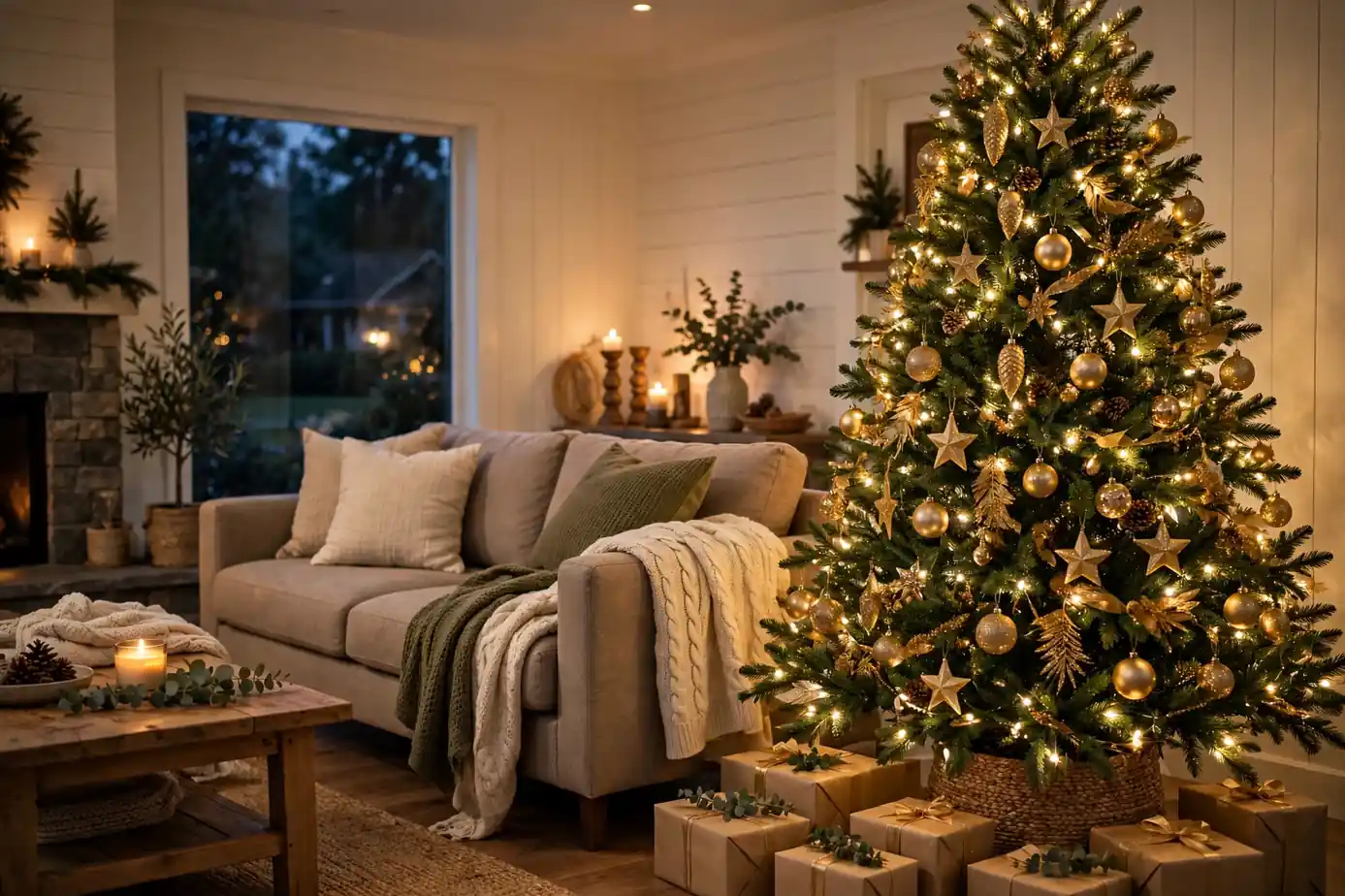
The Best 24 Christmas Tree Ideas to Inspire You in 2026
Executive Summary
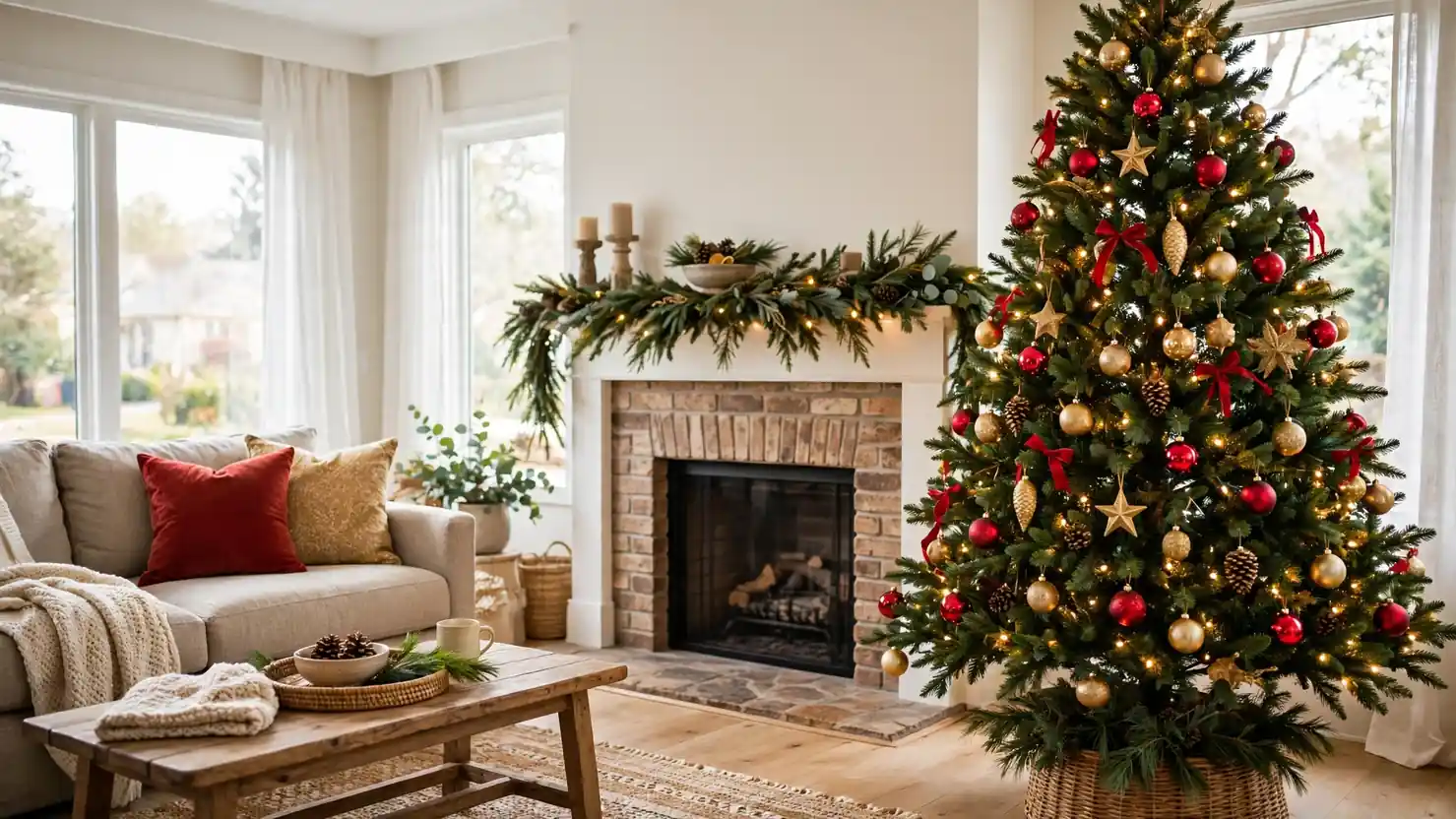
A Christmas tree is the centerpiece of holiday decorating, and the right one depends on your space, your budget, and how much effort you want to put into setup and storage. Whether you love a classic green tree with warm white lights or a slim pencil tree that fits beside an apartment sofa, there is a version that works for your home in 2026.
This guide covers 24 christmas tree ideas 2026, organized by tree type, size, color palette, budget, and renter-friendly options. Every idea includes what to do, how to do it, and an approximate cost, so you can pick a tree with confidence and skip the guesswork.
In short: Choose your tree by measuring your space first, then pick a style family and budget tier. A 6 to 7 foot artificial tree suits most living rooms, a slim or tabletop tree suits small spaces, and renter-friendly options like a potted tree or a wall-mounted tree give you the look without risking your deposit.
Classic Tree Styles That Always Work

1. The Traditional Full Green Tree
A full, classic green tree with layered branches is the most versatile starting point. It suits almost any ornament collection and works with warm white or multicolor lights. Look for a tree with hinged branches for faster setup, and fluff each branch tip outward so there are no bare gaps. Expect to spend around $80 to $200 for a quality 6 to 7 foot artificial version as of 2026.
2. The Flocked Snow-Dusted Tree
A flocked tree brings a snowy look indoors without any real snow. The white-tipped branches pair beautifully with silver, gold, or icy blue ornaments. Place it on a tree skirt that catches loose flocking, and avoid shaking it near upholstered furniture. A flocked 6 to 7 foot tree typically costs $120 to $250 as of 2026.
3. The Slim Pencil Tree
A pencil tree has a narrow profile, usually 20 to 30 inches wide, making it ideal for hallways, corners, and small living rooms. It still reads as a full tree from the front, especially when decorated with vertical garlands and smaller ornaments. A 6 foot pencil tree typically costs $60 to $150 as of 2026.
Small-Space and Apartment Trees
4. The Tabletop Tree
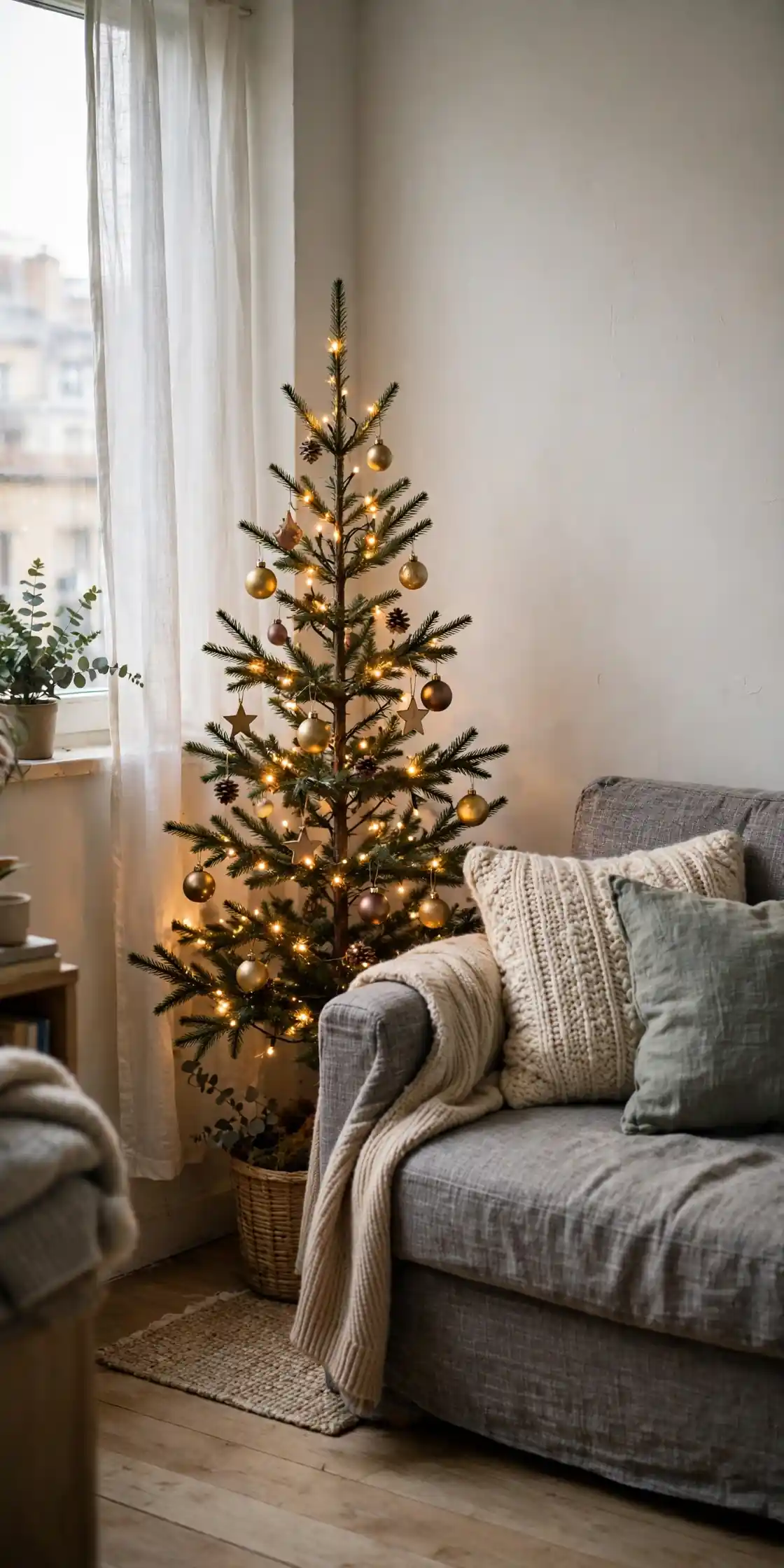
A tabletop tree, usually 2 to 4 feet tall, sits on a console, side table, or kitchen counter. It is a great choice for studios, dorms, or a second tree in a bedroom. Use miniature ornaments and a small strand of battery-operated lights, and anchor it in a sturdy pot so it cannot tip. Expect to spend $20 to $60 as of 2026.
5. The Corner-Fit Half Tree
A half tree is flat on one side so it sits flush against a wall, giving you a full-looking tree in about half the floor space. It works well in apartments where every square foot matters. Push the flat side to the wall, decorate the visible front generously, and keep the back undecorated to save ornaments. A half tree typically costs $70 to $180 as of 2026.
6. The Slim Tree for Tight Corners
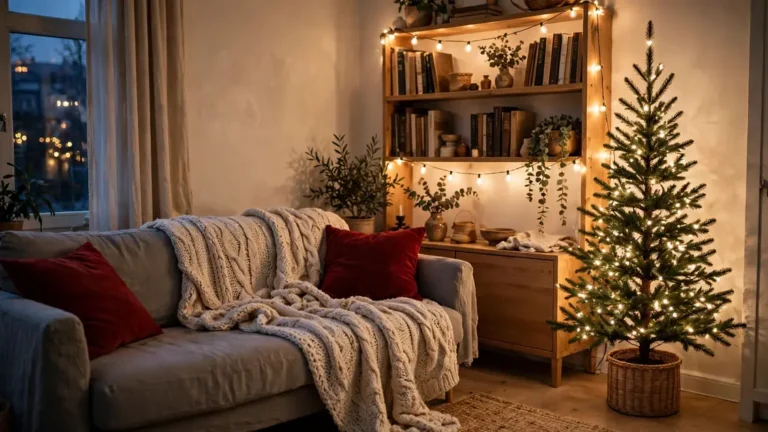
A slim tree with a diameter under 30 inches tucks into a corner beside a bookshelf or an entry console. Measure your corner before buying, including ceiling height and the swing of nearby doors. A slim artificial tree typically costs $50 to $140 as of 2026.
Color Palettes and Style Families

7. Warm Gold and Cream
Gold and cream ornaments on a green tree create a soft, classic glow that suits traditional and transitional living rooms. Mix matte and shiny gold finishes, add cream ribbon, and finish with warm white lights. A starter set of gold and cream ornaments typically costs $30 to $80 as of 2026.
8. Rustic Woodland
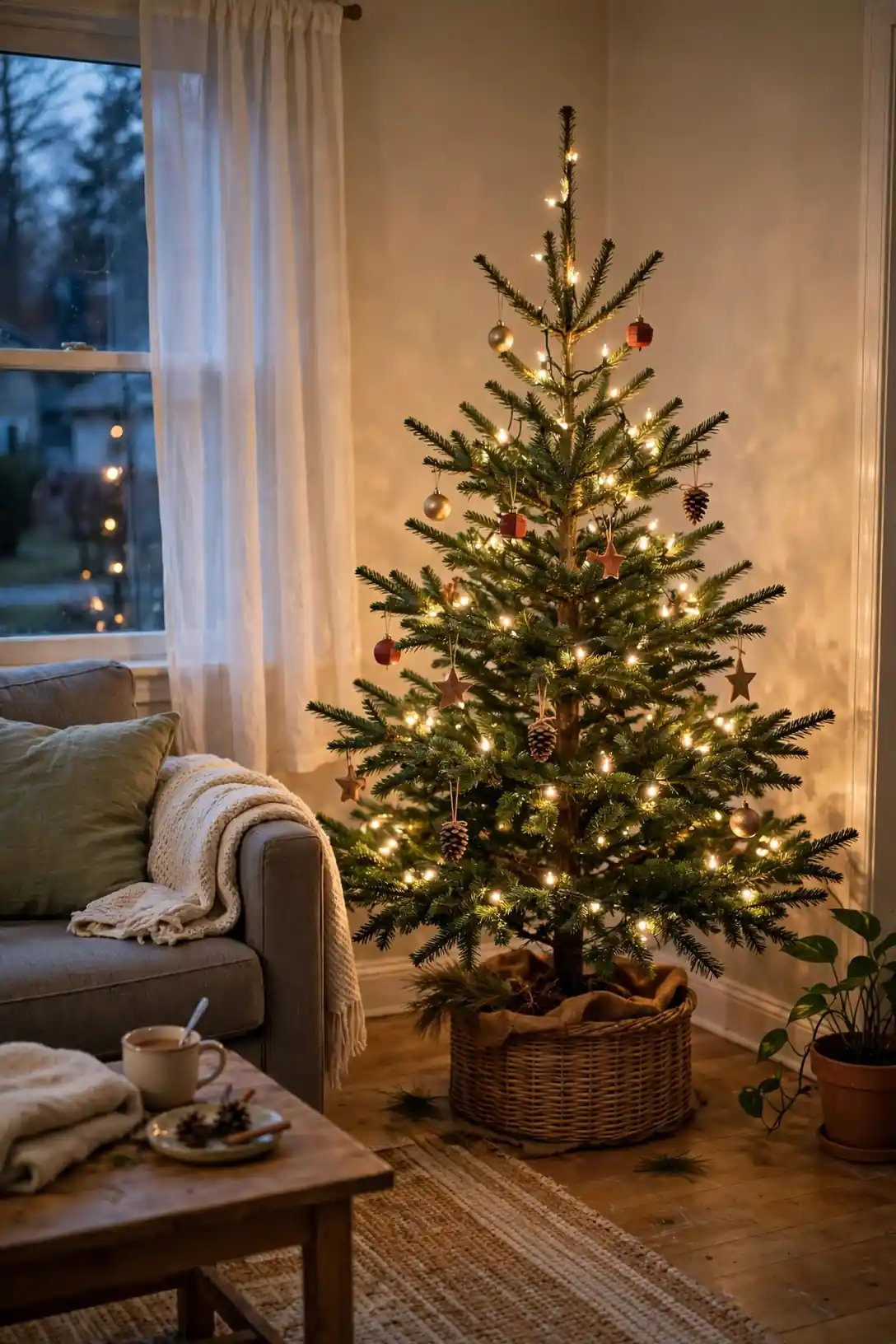
A woodland palette uses natural textures: pinecones, burlap ribbon, wooden ornaments, and warm white lights. It pairs well with a flocked or unflocked green tree and a woven basket as a tree base. Gather pinecones outdoors or buy a bag, and wire them to branches rather than hanging them from hooks. Expect to spend $25 to $70 as of 2026.
9. Modern Minimalist White and Silver
A white or silver tree with a restrained ornament palette suits modern homes. Use one metallic accent, such as silver or champagne, and keep ornaments to a single size range for a calm, cohesive look. A white artificial tree typically costs $70 to $160 as of 2026.
Budget Tiers: From Under $50 to Splurge
10. The Under-$50 Starter Tree
A small artificial tree, a string of lights, and a basic ornament set can come together for under $50. Shop clearance sections, thrift stores, and after-holiday sales for the best value, and choose a 4 foot tree if a full-size one is out of reach. Total cost: around $30 to $50 as of 2026.
11. The Mid-Range Pre-Lit Tree
A pre-lit tree saves setup time and usually looks more even than hand-strung lights. Look for a tree with lights rated for indoor use, check that spare bulbs or fuses are included, and test every strand before decorating. A pre-lit 6 to 7 foot tree typically costs $100 to $250 as of 2026.
12. The Splurge Statement Tree
A high-end tree with realistic branch tips, dense foliage, and built-in color-changing lights makes a statement in a larger room. If you plan to keep it for many years, the per-season cost drops sharply. Expect to spend $300 to $600 or more as of 2026.
Renter-Friendly, No-Damage Tree Options

13. The Potted Living Tree
A potted evergreen, such as a small spruce or Norfolk pine, works as a Christmas tree and can live on after the holidays. Keep it indoors for only a couple of weeks, water it when the top inch of soil feels dry, and move it to a bright spot or outdoors afterward. A potted tree typically costs $30 to $80 as of 2026.
14. The Wall-Mounted Felt Tree
A felt tree hangs flat on a wall with adhesive hooks or removable strips, so there are no holes and no floor space used. It is a fun option for kids’ rooms and tiny apartments. Use command-style removable strips rated for the weight, and remove them slowly at the end of the season to protect paint. A felt tree kit typically costs $20 to $40 as of 2026.
15. The Ladder Shelf Tree
A leaning ladder shelf decorated with garlands, lights, and small ornaments reads as a tree shape without a tree at all. Lean it securely against a wall, anchor the top with a removable hook if your lease allows it, and keep heavier items on the lower rungs. A ladder shelf typically costs $40 to $100 as of 2026.
Real vs. Artificial: Choosing Your Tree Type
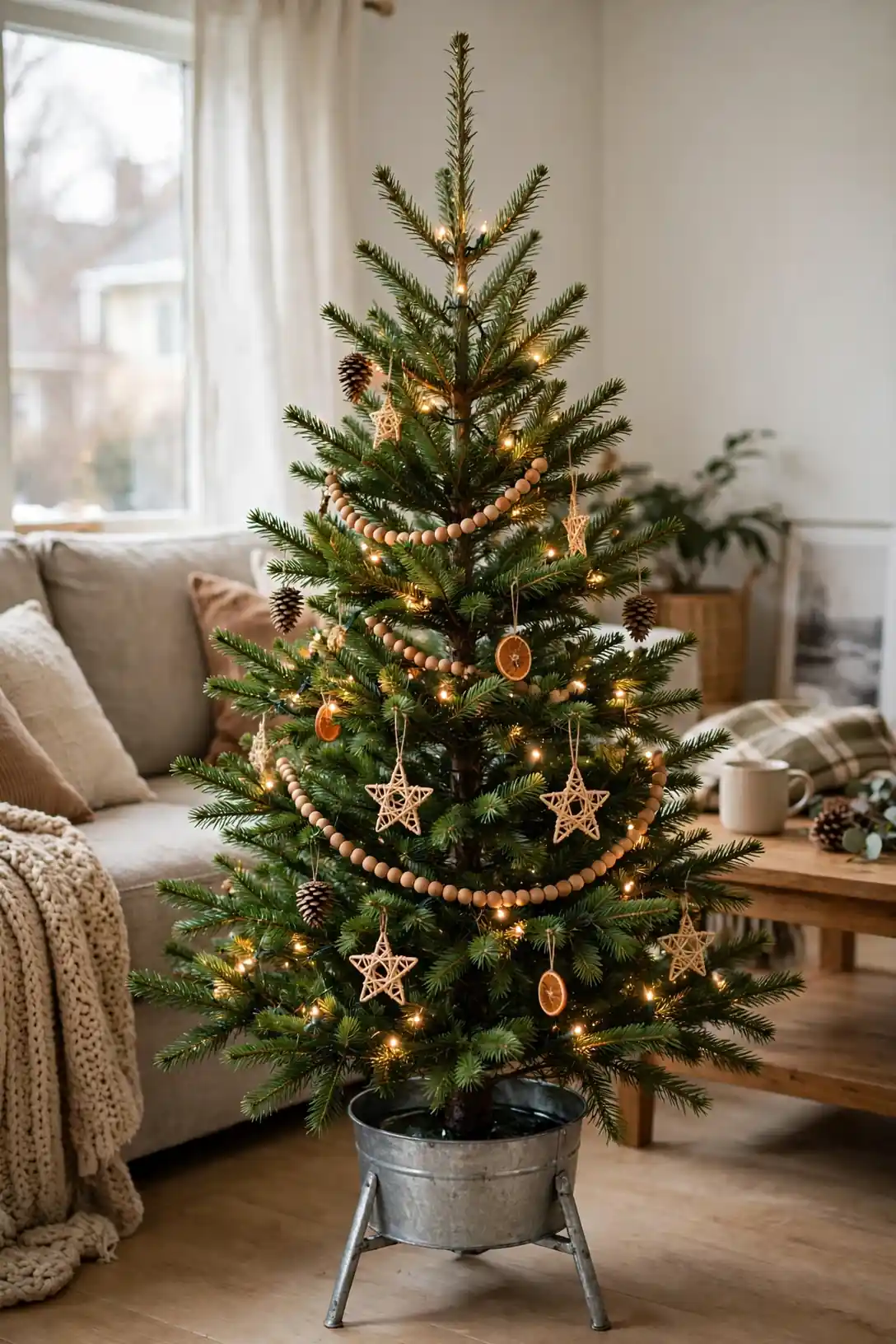
16. The Fresh-Cut Real Tree
A fresh-cut tree brings the classic pine scent that artificial trees cannot match. Check that needles are flexible and green, cut a half inch off the trunk before placing it in water, and keep the stand filled daily. A fresh-cut tree typically costs $50 to $120 as of 2026, plus a stand if you do not own one.
17. The Reusable Artificial Tree
An artificial tree costs more upfront but lasts for many seasons and avoids annual needle cleanup. Store it in its original box or a tree bag, in a dry spot, and label the box with the tree height so next year’s setup is easier. A good artificial tree typically costs $80 to $250 as of 2026.
18. The Potted Tree You Plant Later
Some nurseries sell balled-and-burlapped evergreens that can be planted outdoors after the holidays. Keep the root ball moist and the tree indoors for no more than 7 to 10 days, then plant it in a prepared hole. Expect to spend $60 to $150 as of 2026.
Lighting and Ornament Strategies

19. Warm White Lights, Layered Deep
String lights from the inside of the tree outward, starting at the trunk and working toward the branch tips. This layering creates depth and hides the wire. Use about 100 lights per foot of tree height as a planning rule, and choose warm white for a classic glow. A set of lights typically costs $10 to $30 as of 2026.
20. Ribbon and Garland Cascades
Wide ribbon draped in vertical cascades adds color and movement without many ornaments. Cut ribbon into 2 to 3 foot lengths, tuck each piece into the branches, and let the ends curl outward. Two to three rolls of wired ribbon typically cost $15 to $40 as of 2026.
21. The Ornament Color Rule
Limit ornaments to two or three colors plus one metallic for a pulled-together look. Hang larger ornaments deeper in the tree and smaller ones near the tips, and step back every few minutes to check for bare spots. A coordinated ornament set typically costs $25 to $75 as of 2026.
Tree Skirts, Toppers, and Finishing Touches
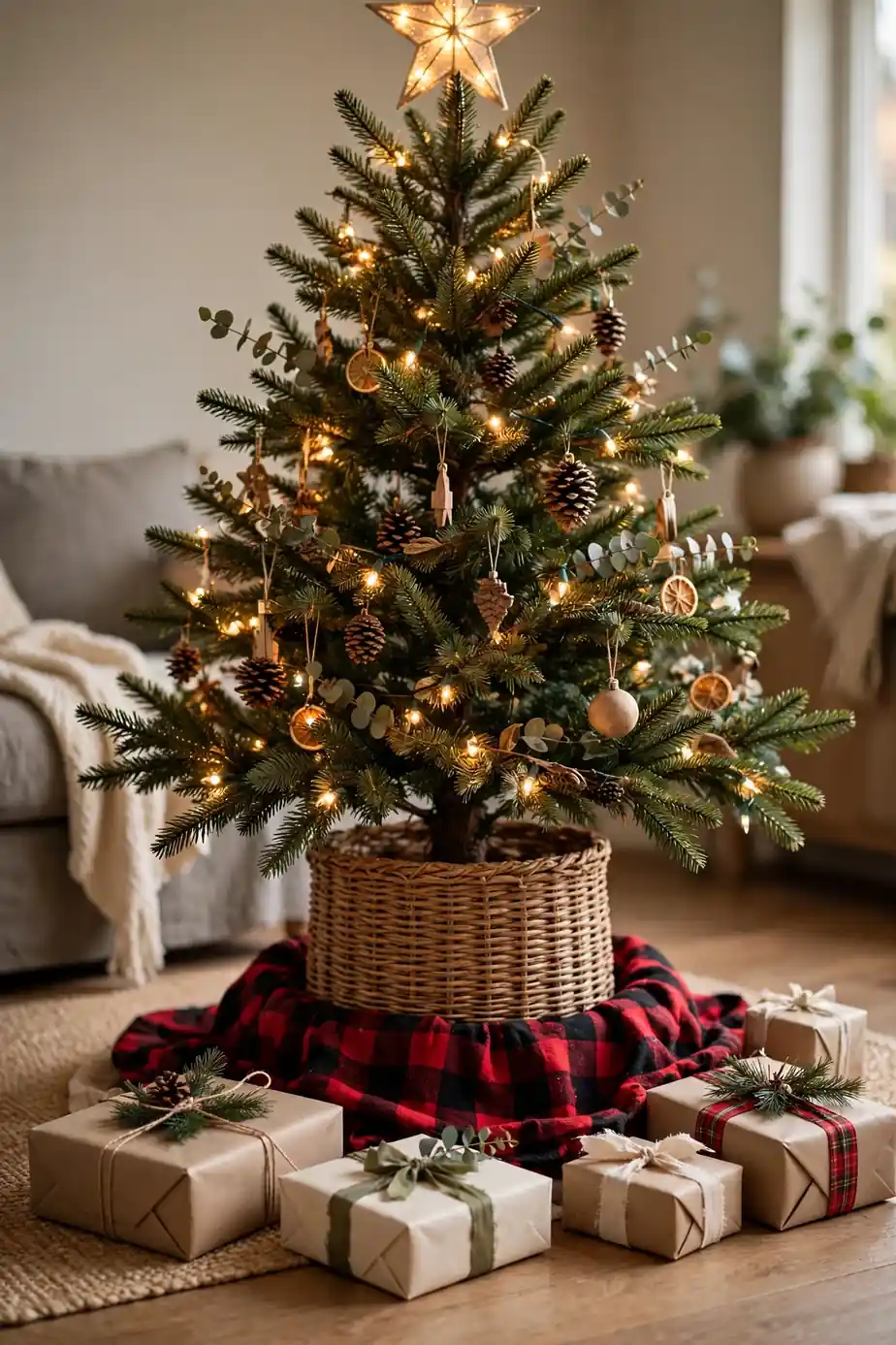
22. The Woven Basket Base
A woven basket hides a tree stand and adds a natural, finished look. Choose a basket slightly wider than the stand, place the stand inside, and tuck a tree skirt or fabric around the trunk to cover gaps. A basket typically costs $20 to $50 as of 2026.
23. The Classic Star or Angel Topper
A star or angel topper finishes the tree and draws the eye upward. Make sure the top branch is sturdy enough to hold it, or secure the topper with floral wire wrapped around the branch. A topper typically costs $10 to $40 as of 2026.
24. The Personalized Ornament Finish
Add a few personalized ornaments, such as a dated ornament, a handmade piece, or a travel souvenir, to make the tree feel like yours. Keep these lighter ornaments near eye level where they can be seen and enjoyed. Personalized ornaments typically cost $5 to $25 each as of 2026.
FAQ
What size Christmas tree should I buy?
Measure your ceiling height and subtract at least 12 inches for the topper and stand. A 6 to 7 foot tree suits most living rooms with 8 to 9 foot ceilings, while a 4 to 5 foot tree works better in apartments and small rooms.
How many lights do I need for a Christmas tree?
A common planning rule is about 100 lights per foot of tree height. A 6 foot tree therefore needs around 600 lights, though you can use fewer for a subtle look or more for a brighter one.
Are pre-lit trees worth it?
Pre-lit trees save setup time and usually give more even light coverage than hand-strung lights. They cost more upfront, and if a strand fails out of warranty, repairs can be tricky, so test all lights before decorating each year.
Can renters have a real Christmas tree?
Usually yes, but check your lease and building rules first, since some rentals restrict live trees for fire safety. If a real tree is not allowed, a potted tree, a tabletop tree, or a felt wall tree gives you the look without the risk.
How do I keep a real tree fresh?
Cut a half inch off the trunk before placing it in water, keep the stand filled daily, and keep the tree away from heat vents and fireplaces. A well-watered tree typically stays fresh for three to four weeks.
When should I put up my Christmas tree?
There is no single right date. Many households decorate the weekend after Thanksgiving, while others start earlier in November. For a fresh-cut tree, waiting until late November or early December helps it stay fresh through Christmas.
Conclusion
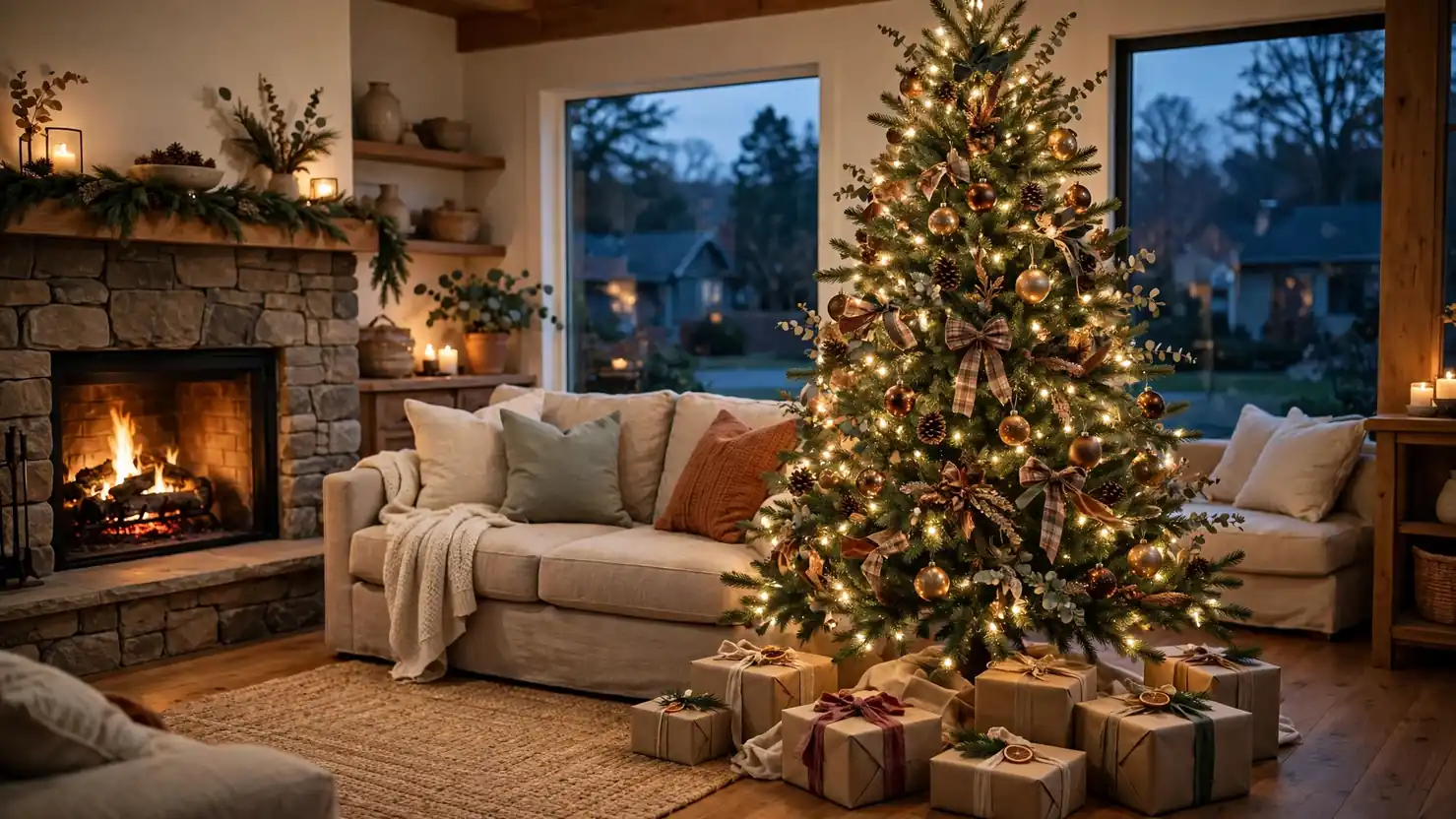
The best christmas tree ideas 2026 come down to a simple formula: measure your space, pick a style family you will love looking at all season, and choose a budget tier that makes sense for how long you plan to keep the tree. A small tabletop tree in a studio can feel just as festive as a full statement tree in a large living room.
For more seasonal inspiration, see our Christmas mantel decorating ideas to style the rest of your holiday focal points, and our modern traditional Christmas ideas for a cohesive holiday look. Start with one idea from this list, build around it, and let your tree become the warm centerpiece your holidays gather around.

Thiago Alexander is the Chief Editor at Nested Charm. With a deep passion for interior design and cozy living spaces, he leads the editorial team in crafting stories that make every house feel like a home.



9 Comments