21 Shift-Worker Bedroom Ideas for Daytime Sleep Under $300
Executive Summary
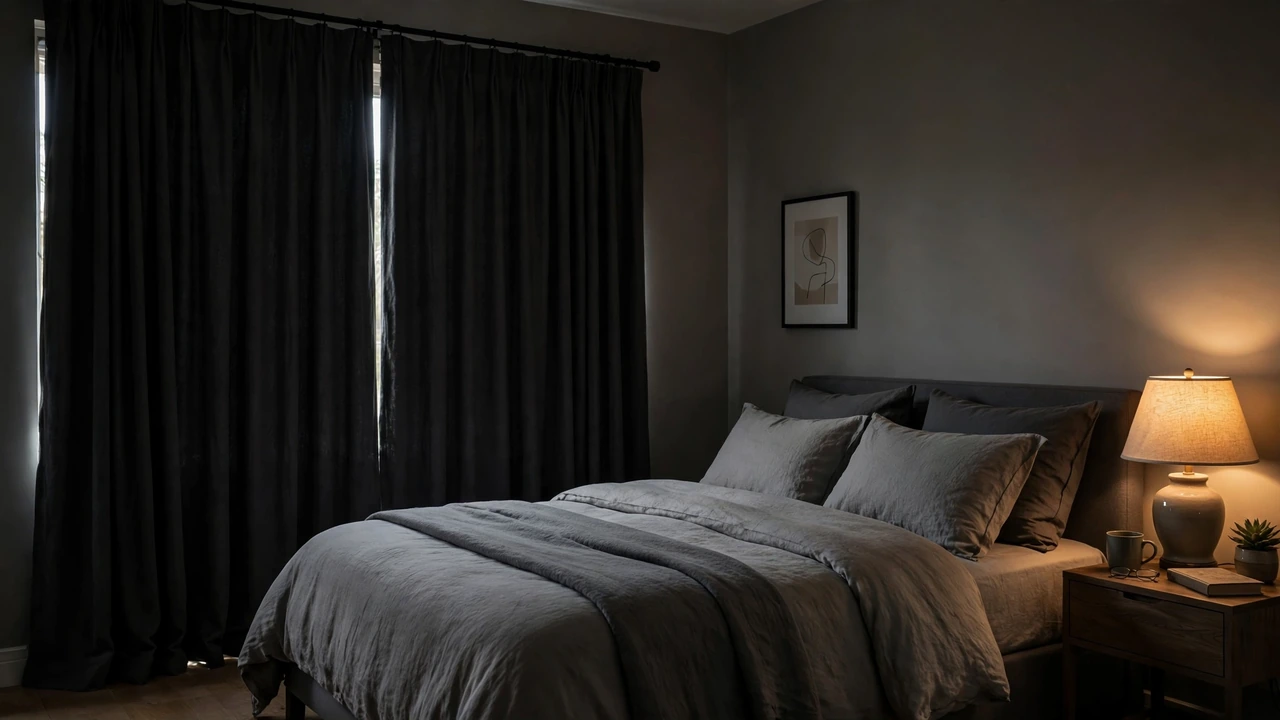
Sleeping during the day is a design problem before it is anything else. The sun is up, the house is awake, and your bedroom was decorated for night sleepers. If you work nights or rotating shifts, you do not need a remodel — you need darkness that works, a room that stays quiet, and a bed that stays cool, in that order.
This guide collects 21 shift-worker bedroom ideas for daytime sleep, grouped by blackout, sound, and cooling, plus the household habits and fabrics that support them. Every idea is renter-safe — no drilling, no painting — or clearly flagged if it is not. Prices are approximate planning figures as of 2026, and the complete core setup below comes in under $300.
In short: Layer blackout curtains over the window treatment you already have, seal the gap under the bedroom door, add steady background sound, keep the bed cool with breathable fabrics and moving air, and agree on simple signals so the rest of the house knows you are asleep. Most shift workers can build the full setup in one afternoon for under $300.
Blackout That Actually Works
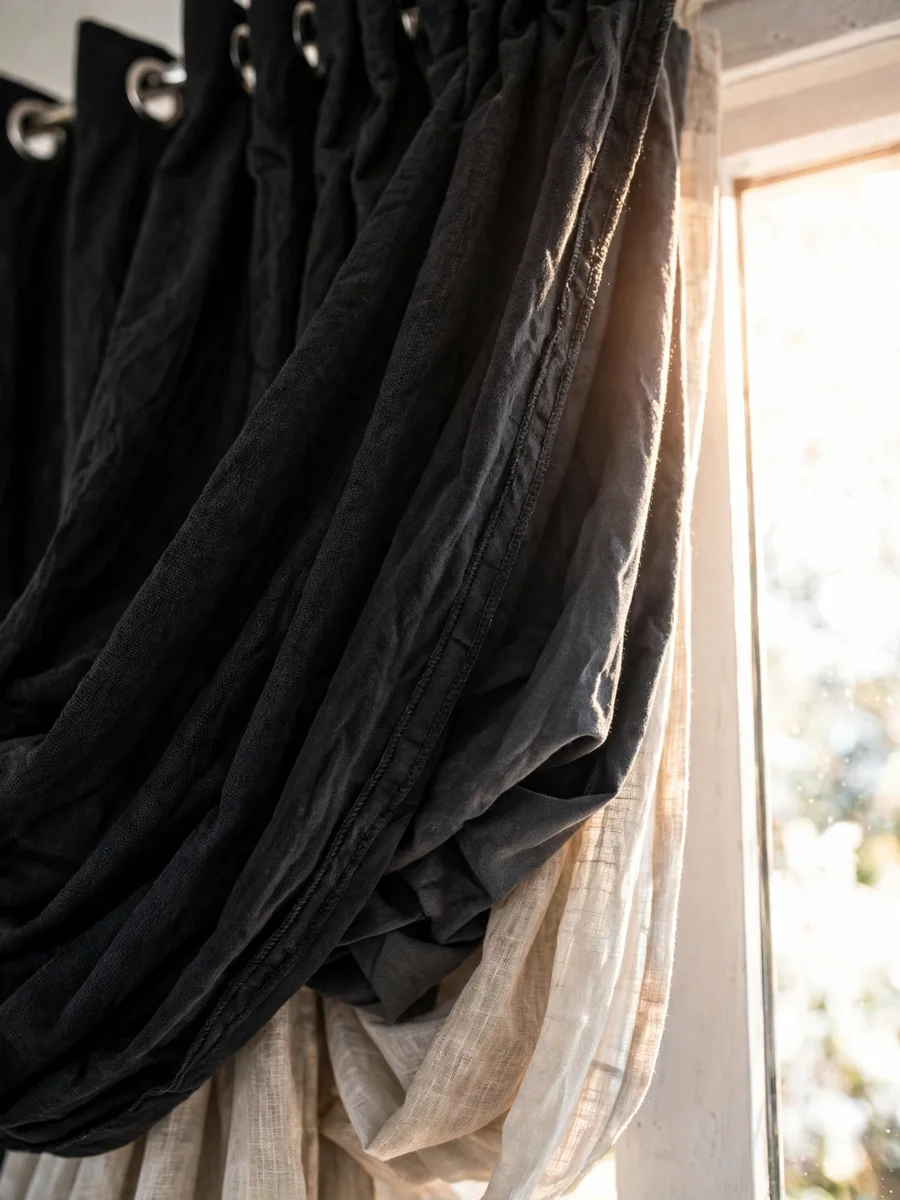
Most “blackout” curtains fail at the edges, not the middle. Light leaks around the sides, pours over the top, and slips under the door — and daytime sun is far stronger than streetlight. These three fixes attack the leaks.
1. Layer curtains over blinds instead of replacing anything
Keep the blinds your rental already has, then hang a blackout panel in front on a tension rod or a wraparound rod on removable adhesive hooks rated for the weight. Two imperfect layers beat one expensive one: the blinds catch direct light, the curtain catches the glow. Cost: roughly $25–$45 per window, as of 2026.
2. Seal the door gap and the hallway light
The bright stripe under a bedroom door is often the worst leak in the room. A slide-under draft blocker or removable door sweep closes it in seconds and comes off clean when you move. Removable foam weatherstripping handles gaps at the top of the frame. Cost: roughly $10–$20.
3. Give odd windows their own solution
Skylights, arched tops, and wide sliders do not fit standard panels. Use blackout fabric cut to size, held with removable hook-and-loop dots, or suction-cup travel blackout shades. Plain, cheap, effective in daylight, and nothing is permanent. Measure first — odd windows are where people overspend. Cost: roughly $15–$35.
Sound: Quiet the Room Down
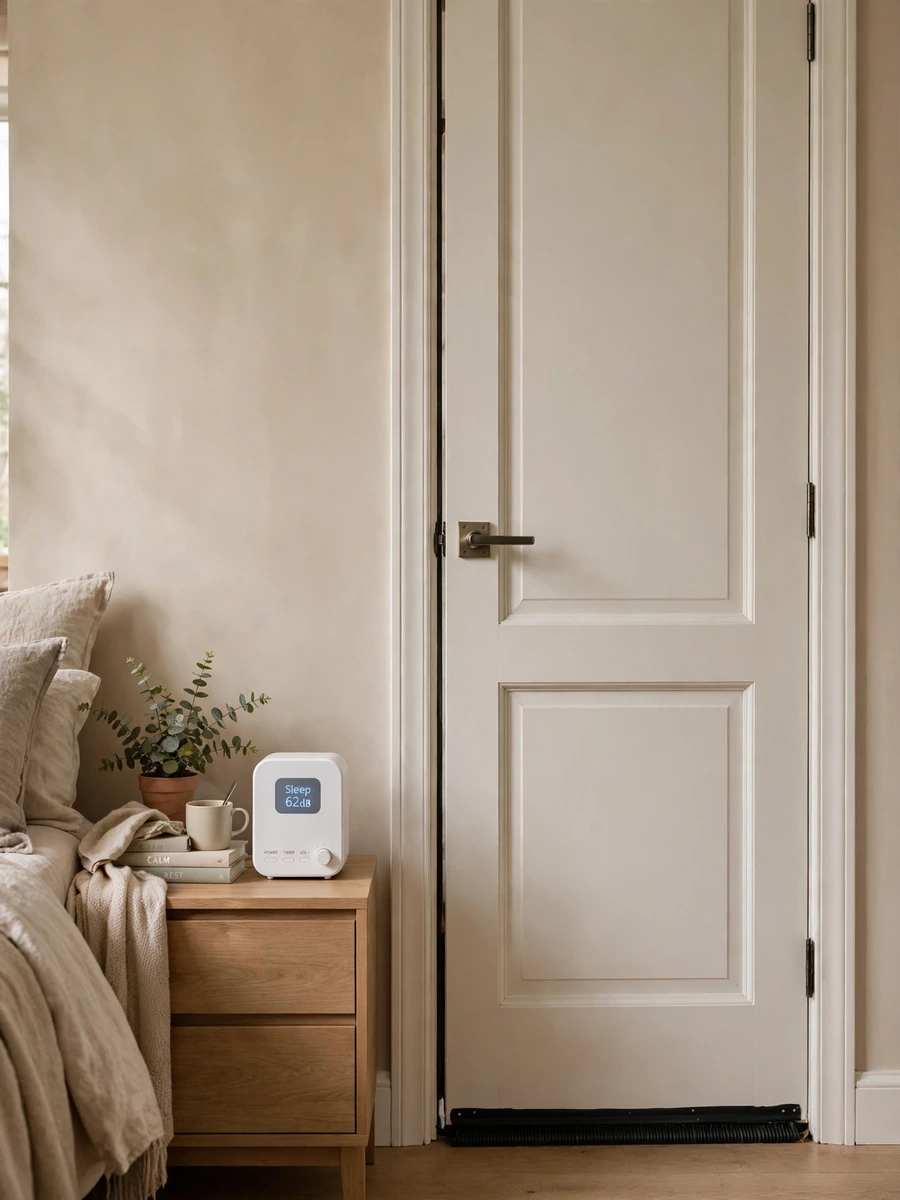
You cannot silence a daytime house, and you do not need to. The goal is to soften the sharp, irregular noises — doors, voices, the doorbell — and give your ears something steady to rest on instead.
4. Add a steady background sound at the bedside
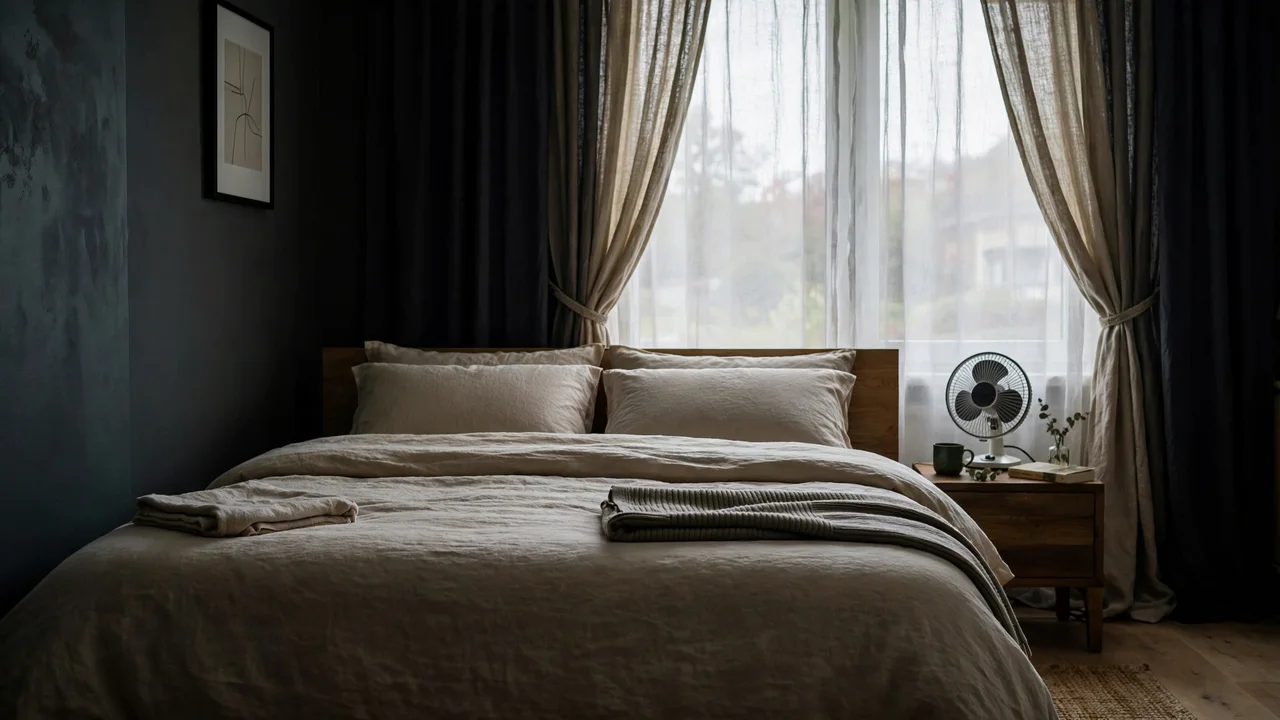
A basic white-noise machine, a small fan, or a free app on an old phone all do the same job: they raise the floor of sound so a slamming door sounds smaller by comparison. Put the source between you and the door, not right beside your pillow. Cost: $0 with an app, roughly $20–$40 for a simple machine.
5. Soften the room’s hard surfaces
Bare floors and walls bounce sound around. A washable low-pile rug beside the bed, the curtains you already hung for blackout, and bedding with some loft all absorb noise instead — a rare fix that makes the room look better and sound quieter at once. Cost: $0–$50.
6. Move the noise, not yourself
If your bedroom shares a wall with the living-room TV or a gaming setup, moving the noise source — or adding a rug and soft seating in that room — helps everyone. Put your bed on the wall furthest from the shared one, even if it means rotating the layout. Cost: $0.
Cooling for Daytime Sleep
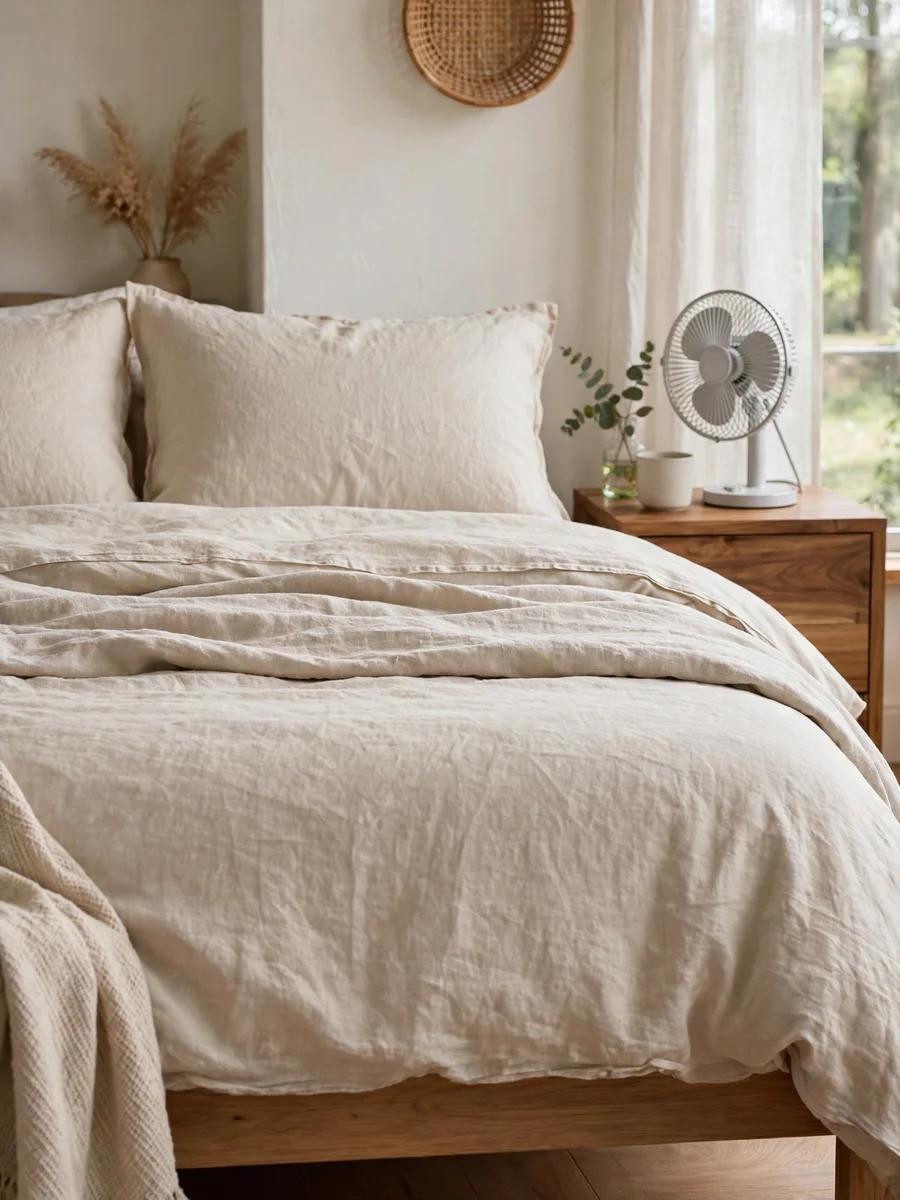
Bedrooms heat up through the afternoon, exactly when a night-shift worker is trying to stay asleep. These ideas keep heat out and air moving, without touching the thermostat.
7. Block the sun’s heat at the window, not just its light
Your blackout layer already helps, but on west-facing windows add a light-coloured liner, and hang the curtain close to the glass — trapped air is a simple insulator. Close curtains on the sunny side of the house before bed, even in other rooms, so the whole home heats more slowly. Cost: $0–$20.
8. Put a fan where the air actually reaches you
Aim a small fan along the bed, not at your face, so air moves across the bedding where you feel it. A ceiling fan should push air downward. Keep the fan a few feet away so its sound stays a soft background — it is also doing your sound work from Idea 4. Cost: roughly $20–$35 if you need one.
9. Cool the bed itself, not the whole room
Swap heavy duvets for a lighter summer-weight layer in warm months, and keep a thin spare blanket at the foot of the bed for the coolest hour. Percale or linen-blend sheets usually feel cooler than synthetic sets. Most of this is rotation, not shopping. Cost: $0–$40.
Light Discipline for the Rest of the House

A perfect bedroom fails if a noon trip to the bathroom feels like walking onto a stage. A few cheap signals and light changes protect your sleep without asking anyone to live in the dark at midday.
10. Agree on a “sleeping” signal everyone respects
A small sign, a ribbon, or one specific item on the door handle means: knock only for emergencies, keep hallway voices down, save questions for later. It works because it is visible at the exact moment someone is about to be loud. Cost: $0–$5.
11. Dim the hallway instead of lighting it
Swap the hallway bulb nearest your bedroom for a lower-wattage warm bulb, or use a small warm night-light, so people passing during your sleep hours stop flooding light toward your door. Warm, low light is kinder to you on the way back to bed, too. Cost: roughly $5–$12. (A bulb swap is renter-safe; changing a fixture would not be.)
12. Build a low-light path to the kitchen and bathroom
One or two plug-in night-lights along your route mean nobody needs an overhead light during your daytime wake-ups, and housemates get used to a calmer house at midday. Keep sunglasses by the front door for moments you must step into full daylight. Cost: roughly $8–$15 for a pair.
The Wind-Down Corner
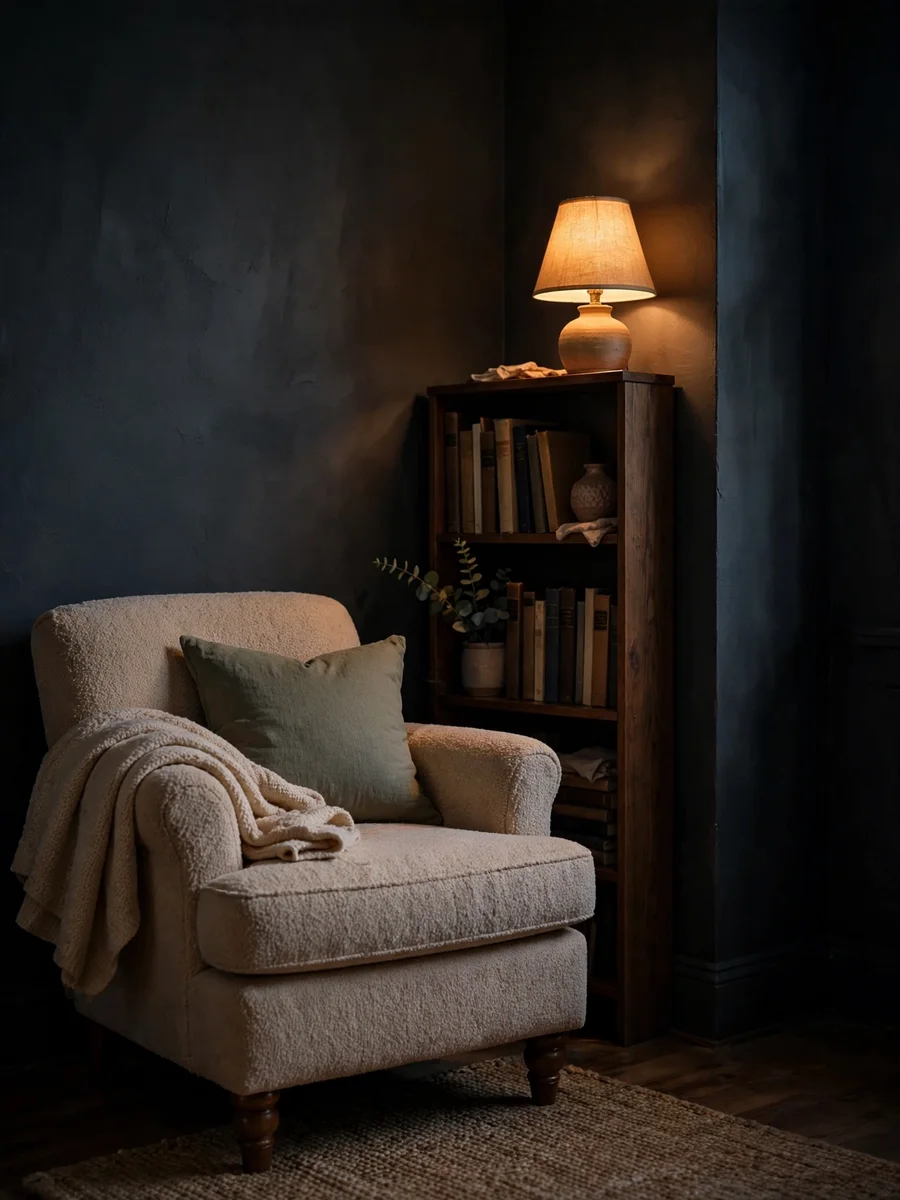
Falling asleep at 8 or 9 in the morning is hard partly because your brain arrives still in work mode. A small, consistent wind-down spot signals that the day is over — and keeps screens and work out of the bed.
13. Claim one chair as the wind-down spot
A chair you already own, a floor cushion, or one end of a sofa all work — what matters is that it is not the bed. Spend your last 20–30 minutes there, changing, snacking, reading, so the bed stays associated with sleep only. Cost: $0.
14. Give the corner its own low, warm light
A small lamp with a warm bulb, placed low, sets the corner apart from the bright daytime house. Avoid winding down under the main ceiling light if you can. A simple plug-in timer can even switch the lamp off after you have moved to bed. Cost: roughly $12–$25, less at a thrift store.
15. Keep a small “landing strip” by the corner
A tray or basket holding your wind-down needs — a book, earbuds, a notepad for the thoughts that arrive just as you relax — stops the “one more trip” wandering through a bright house. Everything for sleep in one basket; everything else out of the bedroom. Cost: $0–$10.
Fabrics and Bedding That Earn Their Place

Daytime sleepers feel heat and texture more — they are in bed during the warmest, brightest hours, and they wash bedding more often. These swaps focus on fabrics that stay comfortable and wash well.
16. Choose breathable sheet fabrics you can wash hot
Cotton percale and linen-blend sheets are the usual favourites for warm sleepers: they feel dry rather than slick and tolerate frequent washing. One decent set plus an older spare beats three cheap synthetic sets that sleep hot. Cost: roughly $30–$50, as of 2026.
17. Layer two light blankets instead of one heavy one
Daytime temperatures swing while you sleep. Two thin layers let you kick one off at 2 p.m. without fully waking, and a light cotton throw covers the gap between seasons. Layering is also how a rental you cannot paint ends up looking finished. Cost: roughly $20–$35 if you need one blanket.
18. Pick curtains and rugs you can actually launder
Blackout curtains with a washable lining and a low-pile rug that fits a home machine stay fresh in a room slept in around the clock. Check care labels before buying — dry-clean-only curtains tend to just stay dusty. Cost: included in Idea 1 if you choose washable panels.
Putting It Together: A Sample Under-$300 Setup
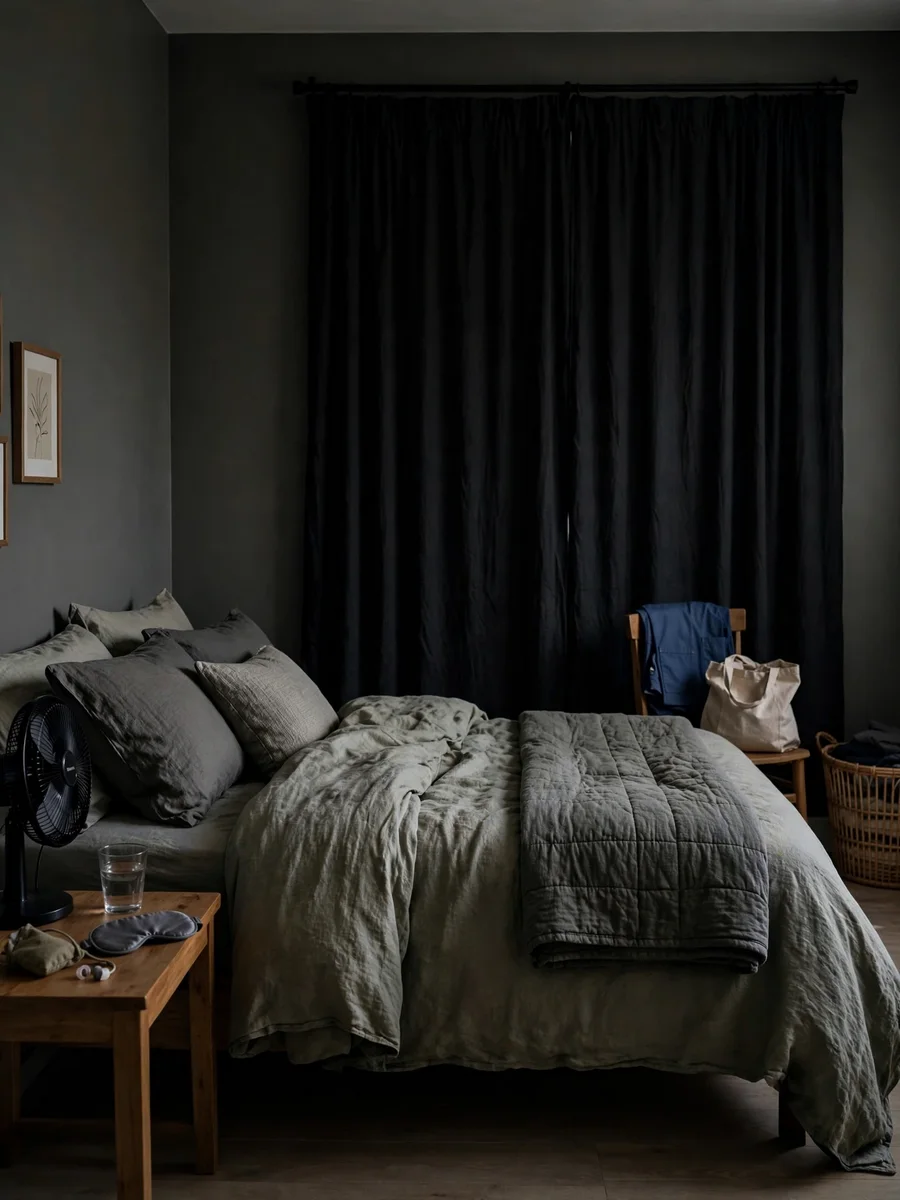
You do not need all 21 ideas. The core setup below covers blackout, sound, and cooling for one bedroom with one window, in the order that makes the biggest difference first:
19. Buy in phases, darkest first
Blackout first, door seal second, sound third, cooling fourth. If money is tight this month, the first two phases alone change daytime sleep more than everything else combined.
20. Do a daytime test run before your next shift
Spend one afternoon in the finished room at the brightest hour. Lie down, close the door, note every leak of light, noise, and heat — then fix the list you actually have, not the one you imagined.
21. Keep a spare-parts habit
A few removable hooks, a spare night-light bulb, and your blackout fabric offcuts in one drawer mean small failures get fixed the same day, instead of slowly unravelling the whole setup.
| Item | What it covers | Approx. cost (2026) |
|---|---|---|
| Blackout curtain panel + tension/wraparound rod | Idea 1 | $35 |
| Door draft blocker + foam weatherstripping | Idea 2 | $18 |
| Travel blackout shade for one odd window | Idea 3 | $25 |
| White-noise machine (or $0 app) | Idea 4 | $30 |
| Washable low-pile bedside rug | Idea 5 | $40 |
| Small fan | Ideas 4 + 8 | $28 |
| Cotton percale sheet set | Idea 16 | $42 |
| Light cotton blanket | Idea 17 | $28 |
| Wind-down lamp (thrifted or basic) | Idea 14 | $18 |
| Two plug-in night-lights | Idea 12 | $12 |
| Total | $276 |
Every item is removable and renter-safe, and most of it moves with you to the next home. Already own the fan, rug, or lamp, and the same setup lands closer to $200.
Frequently Asked Questions
How dark does a daytime bedroom really need to be?
At midday with the door closed, you should not be able to read comfortably or make out details across the room. You do not need a cave — you need the strong leaks, window edges and door gap, closed.
I rent. Will any of this upset my landlord?
The core setup uses tension rods, removable hooks, slide-under door blockers, and plug-in devices — nothing drilled, painted, or wired. Double-check adhesive weatherstripping on painted frames (test a small strip first).
Is a white-noise machine worth it if I already have a fan?
For many people, no — a fan’s sound is steady enough, and it cools at the same time. A machine is worth it if the fan must be off, or your room faces irregular noise like a busy road.
What if my partner sleeps at night in the same room?
Share the blackout and cooling layers — they help night sleep too. Split the difference on light: a warm, low bedside bulb on your side, your wind-down corner outside the bedroom if possible, and an agreed signal for your sleep hours.
I work rotating shifts, not permanent nights. Does this still help?
Yes — arguably more, because your sleep hours move. Favour the portable parts (travel blackout shade, draft blocker, night-lights) so the room switches to “day mode” in minutes, and keep the wind-down routine the same whenever you sleep.
What should I buy first if I can only spend $50?
The blackout panel and the door draft blocker. Together they usually cost under $50 as of 2026, and they fix the two leaks — window and door — that make a daytime bedroom feel like daytime. Everything else upgrades that foundation.
Conclusion
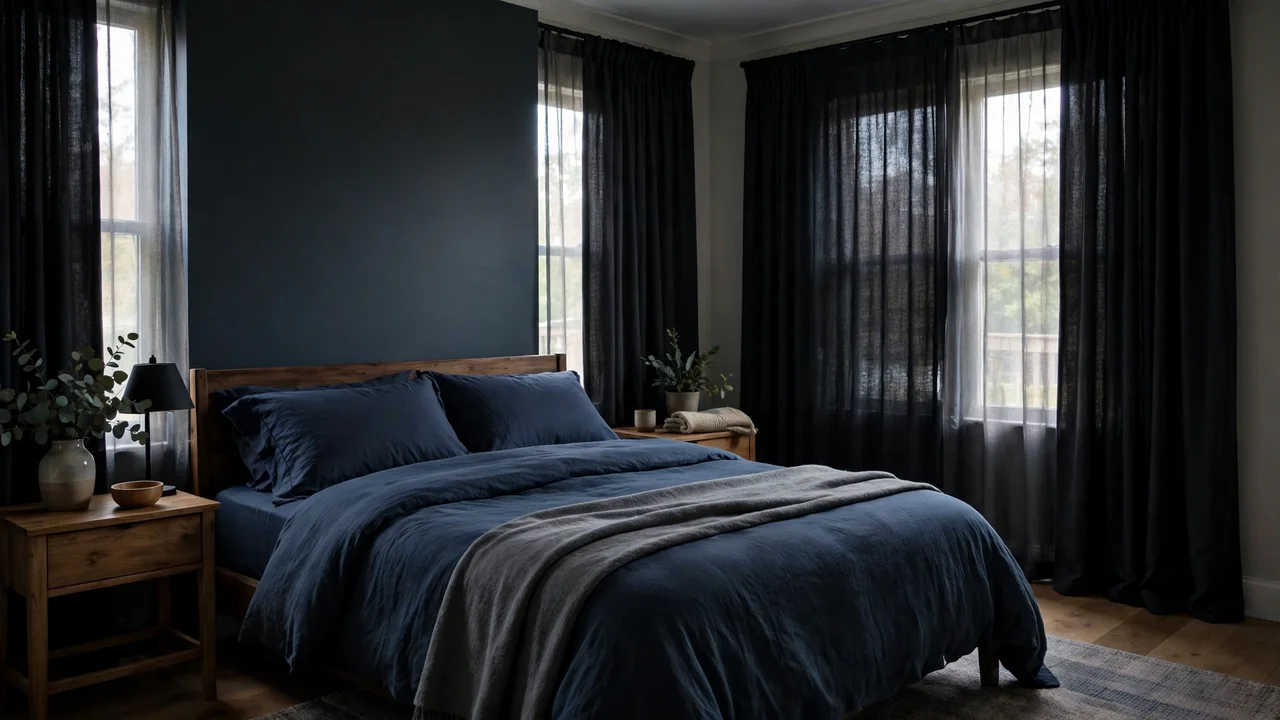
A shift-worker’s bedroom does not need to be expensive, renovated, or perfect. It needs to be dark at the edges, steady in sound, and cool at the bed — and it needs the rest of the house to understand the assignment. Start with blackout and the door seal this week, add sound and cooling next, and let the wind-down corner turn a fix into a habit. Under $300, one afternoon, nothing your landlord will ever know about: a room that finally works the same shift you do.

Thiago Alexander is the Chief Editor at Nested Charm. With a deep passion for interior design and cozy living spaces, he leads the editorial team in crafting stories that make every house feel like a home.