
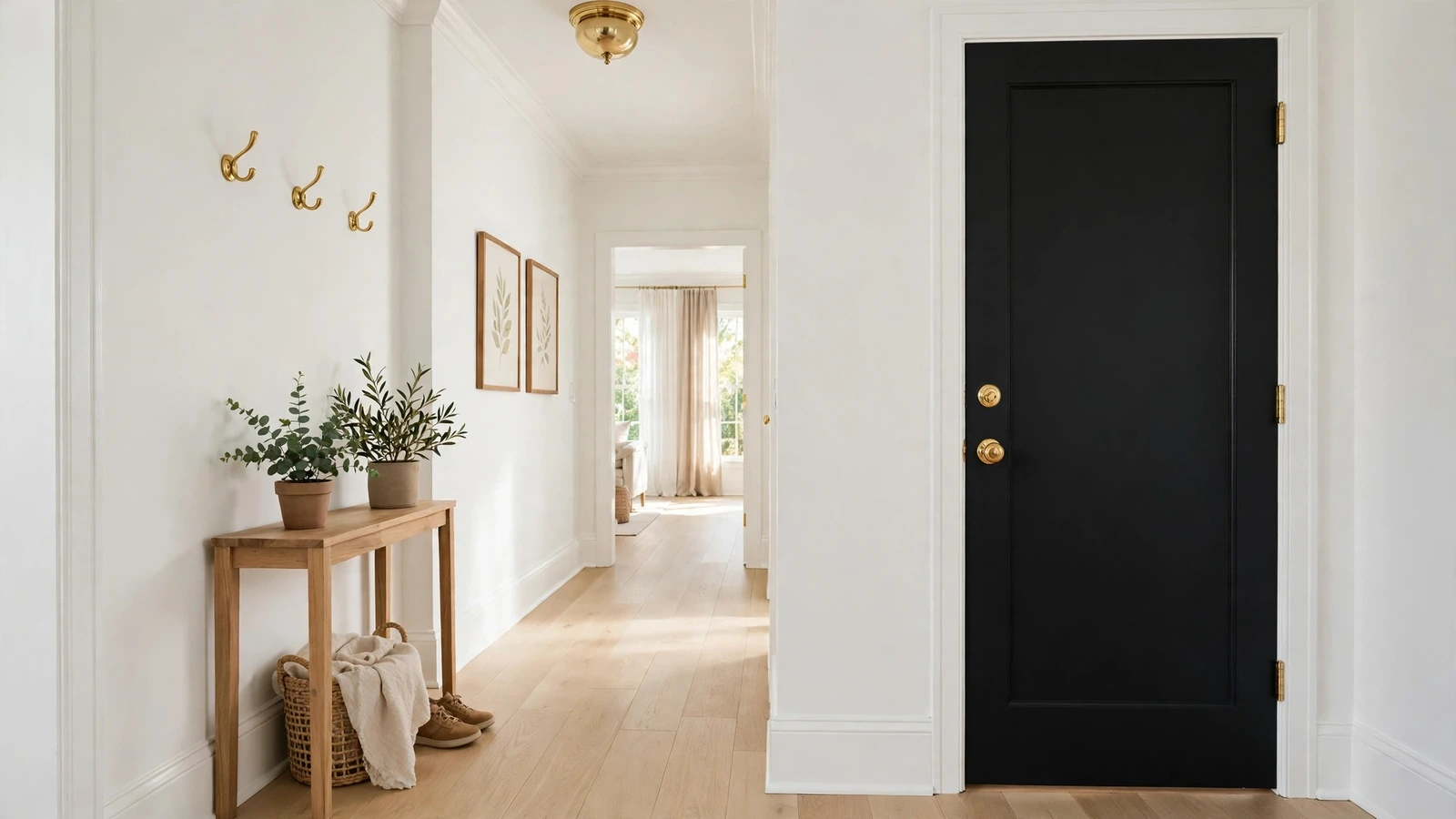
15 Best Paint Colors for Interior Doors 2026
Executive Summary
An interior door is one of the smallest surfaces in a room, yet its color can change how the whole space feels. A dark door can ground a bright hallway, a soft neutral can make a busy room feel calmer, and a bold color can turn a plain doorway into a focal point — all for the cost of a quart of paint and a weekend afternoon.
This guide walks through 15 paint colors for interior doors, grouped from dramatic darks to soft neutrals to bold statement shades. Each idea explains where the color works best, what to pair it with, and roughly what to budget as of 2026, so you can pick with confidence instead of staring at a wall of swatches.
In short: if you want a safe, high-impact choice, start with black, charcoal, or deep navy; if you want the room to feel softer, choose sage, dusty blue, or warm greige; and always test a swatch on the actual door, in your own light, before you commit.
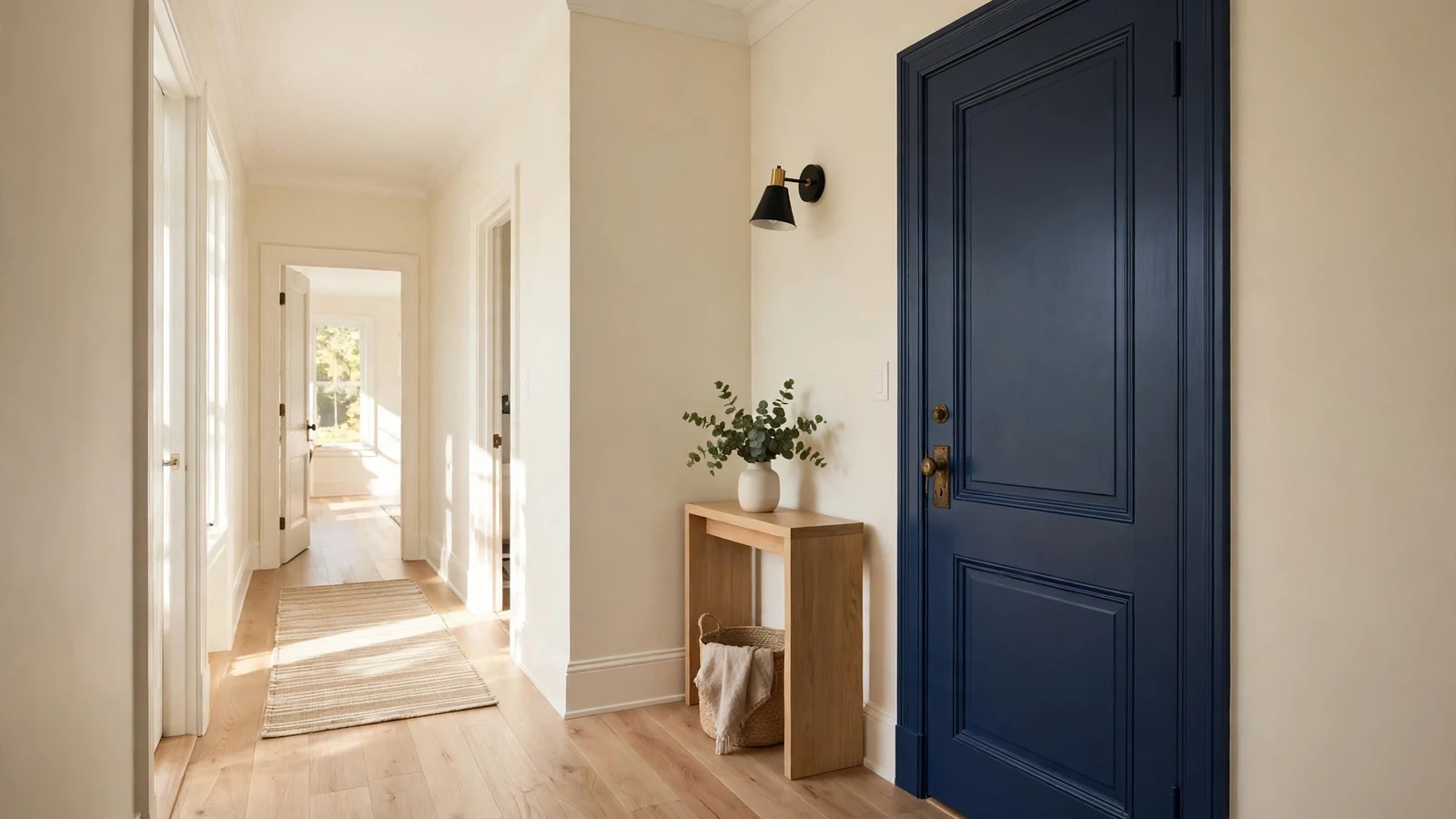
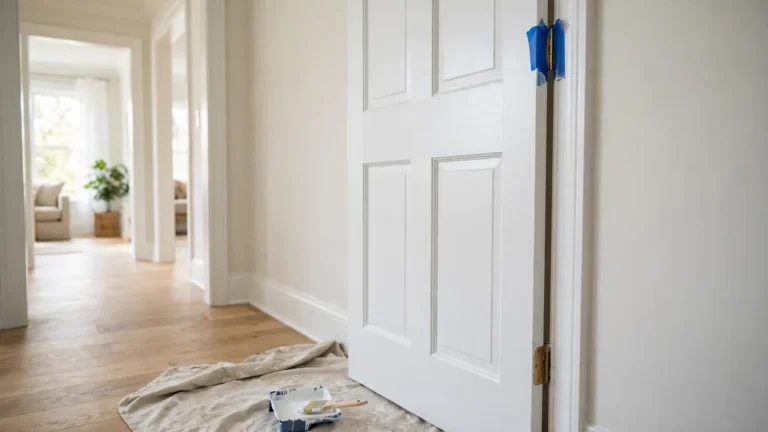
Choosing the color is the fun part; the painting steps themselves are a separate job, so set aside time for prep and drying before you start. One warning that matters before any color on this list: if you rent, check your lease and get your landlord’s permission in writing before painting a door, because an unapproved paint job can cost part of your deposit. The safer alternative for renters is to leave the door as-is and change the hardware, or ask about a reversible option first.
Dark and Dramatic Colors
Dark doors work like punctuation in a room, adding contrast and hiding scuffs better than pale colors.
1. Classic Black
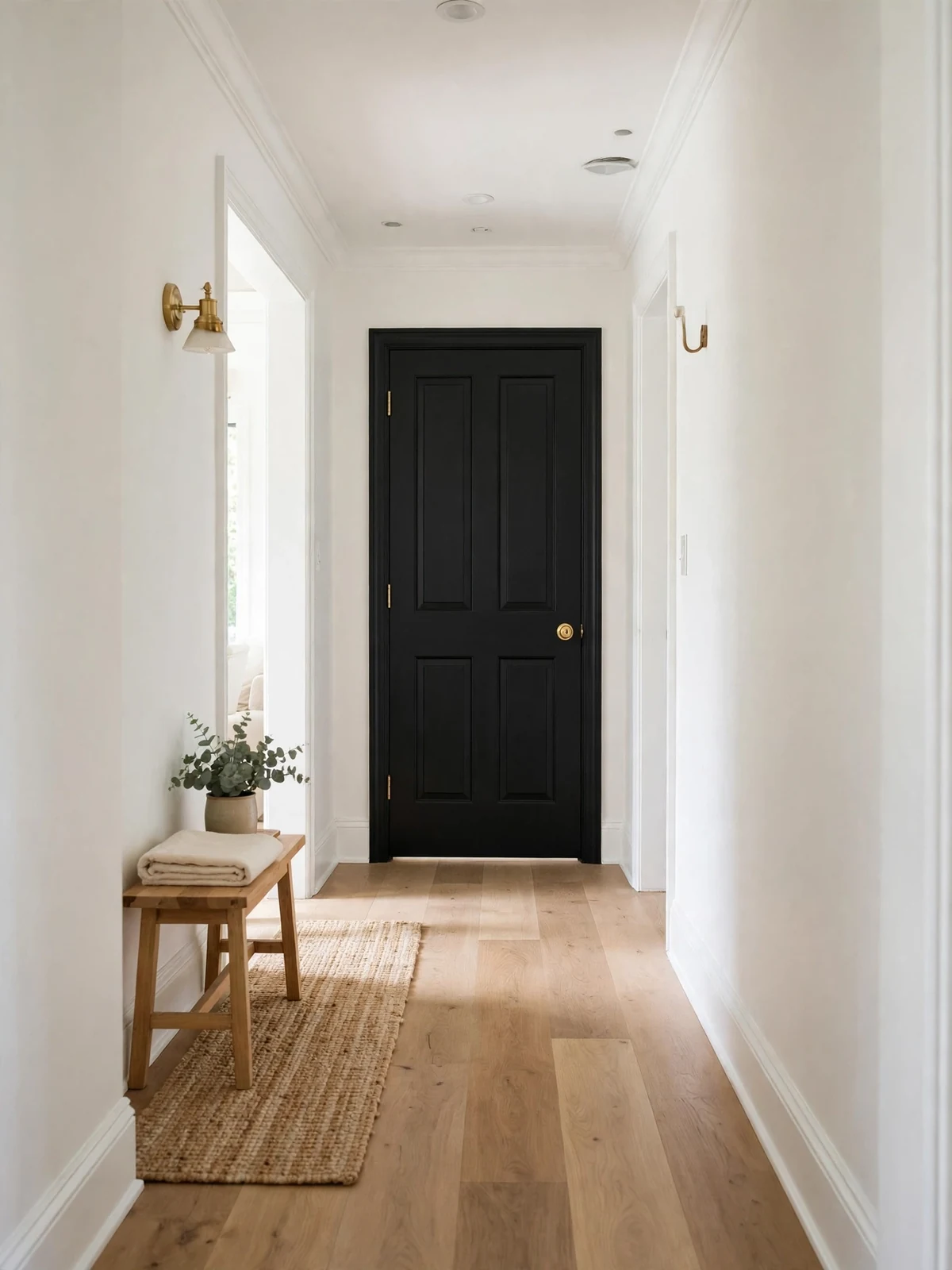
Black is the most forgiving bold choice for an interior door because it suits nearly every style, from traditional to modern. Paint the door black and keep the trim white for crisp contrast, or carry the black onto the trim for a moodier, more tailored look. A quart of interior paint typically costs around $25–$45 as of 2026, and one quart usually covers a standard interior door with two coats.
2. Soft Charcoal Gray

Charcoal gives you most of black’s drama without quite as much contrast, which makes it a good pick if pure black feels too harsh in your home. It works especially well with light gray or warm white walls and brushed nickel or black hardware. Budget roughly $25–$45 for a quart of paint as of 2026.
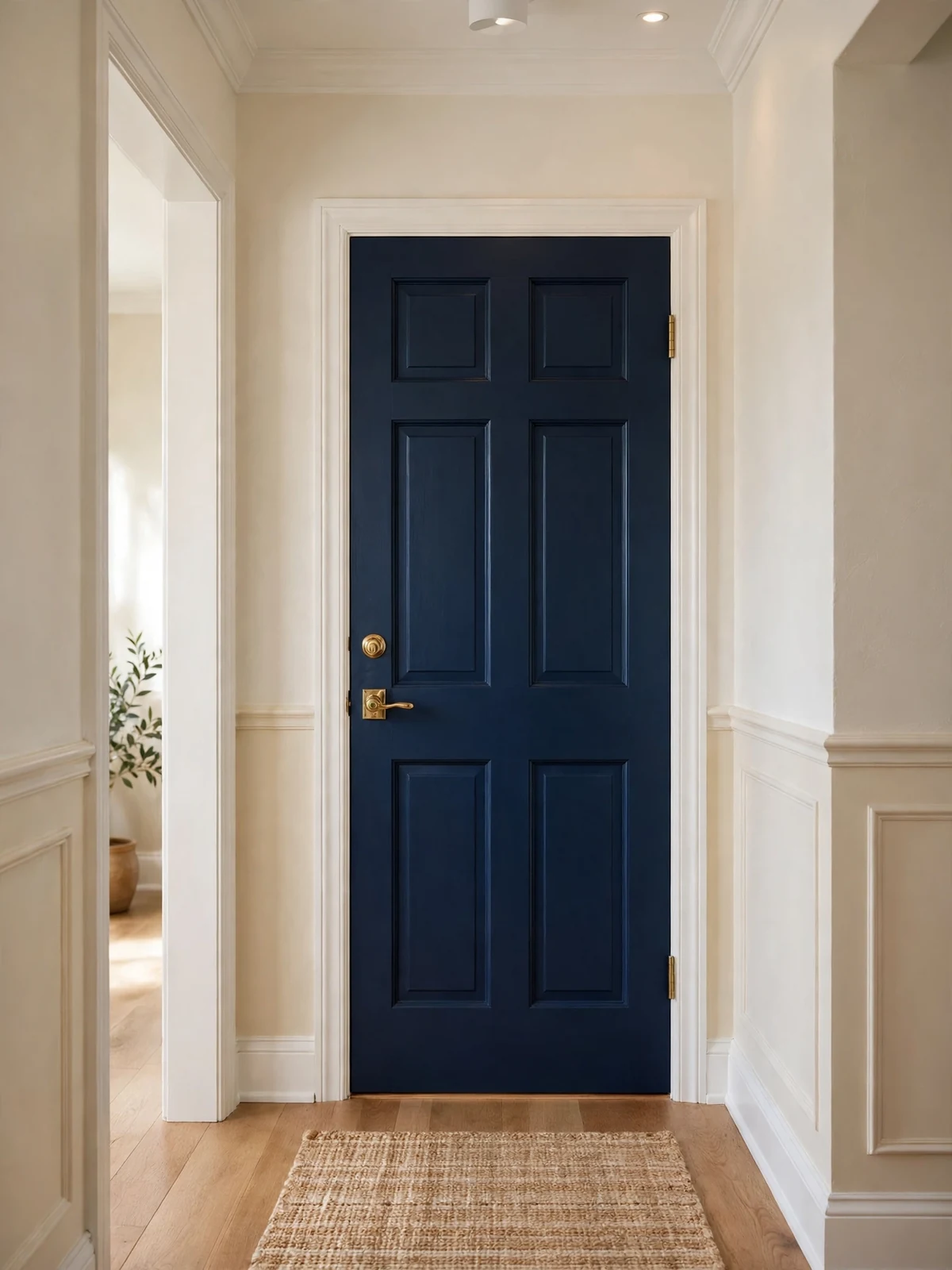
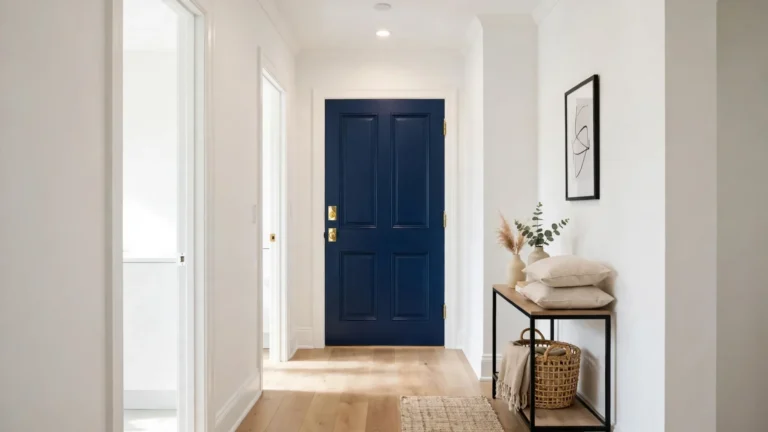
Deep navy reads as a classic, not a trend, and it adds color without shouting. It pairs beautifully with cream walls, brass hardware, and natural wood, and it can make a hallway feel more finished with a single change. Expect to spend around $25–$45 on a quart as of 2026, and test the shade in both daylight and evening light, since navy can look almost black after dark.
4. Deep Forest Green
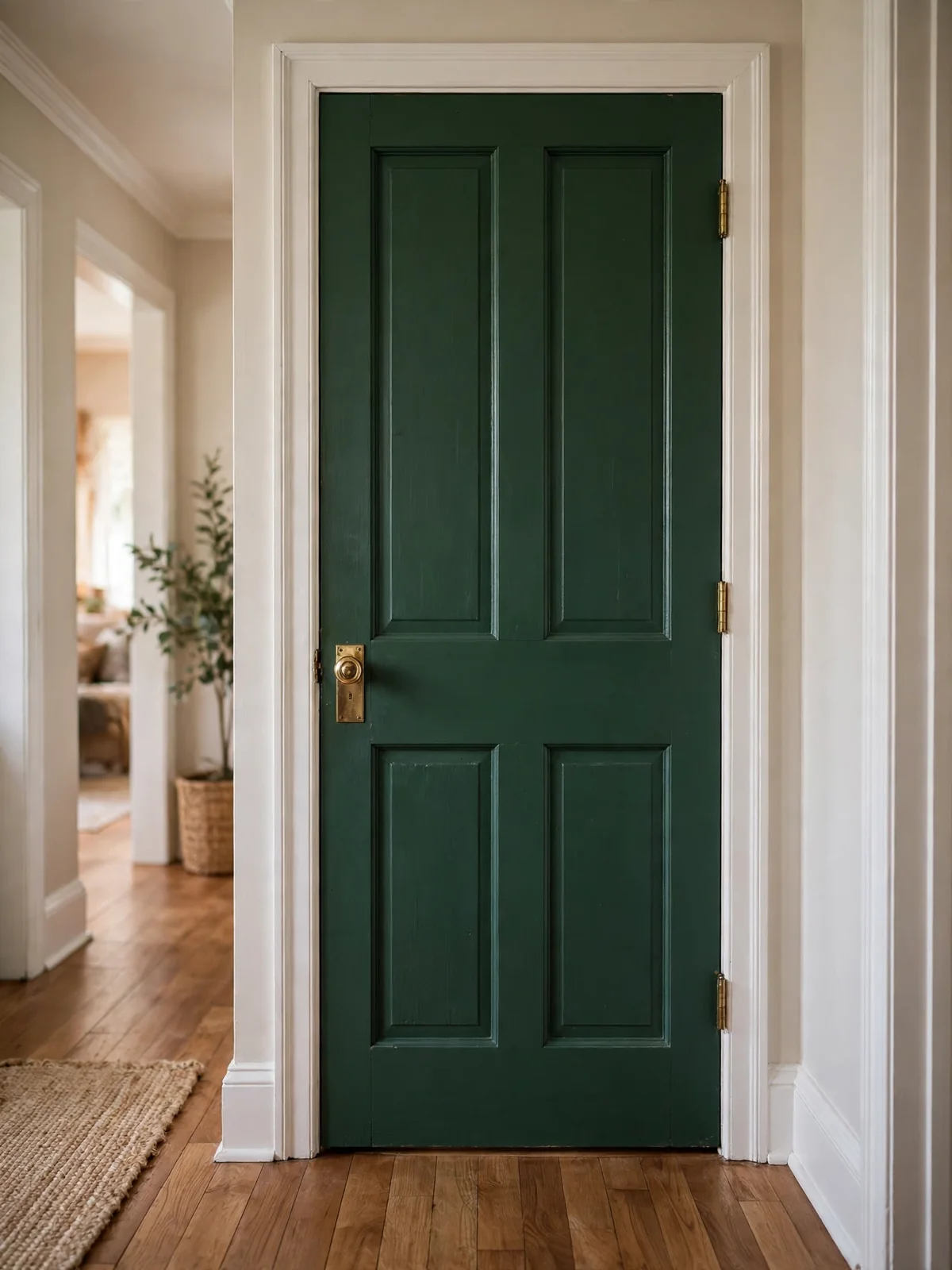
Forest green brings a calm, nature-inspired depth to a doorway and works well in homes with wood tones, plants, or warm neutrals. Keep the surrounding walls light so the door stays the star, and choose brass or black hardware to complete the look. A quart typically runs $25–$45 as of 2026, and one door is usually a one-quart job.
Warm and Earthy Colors
Warm door colors make a hallway or bedroom feel inviting rather than stark. They are a good match for homes with wood floors, rattan, leather, or other natural textures.
5. Warm Terracotta
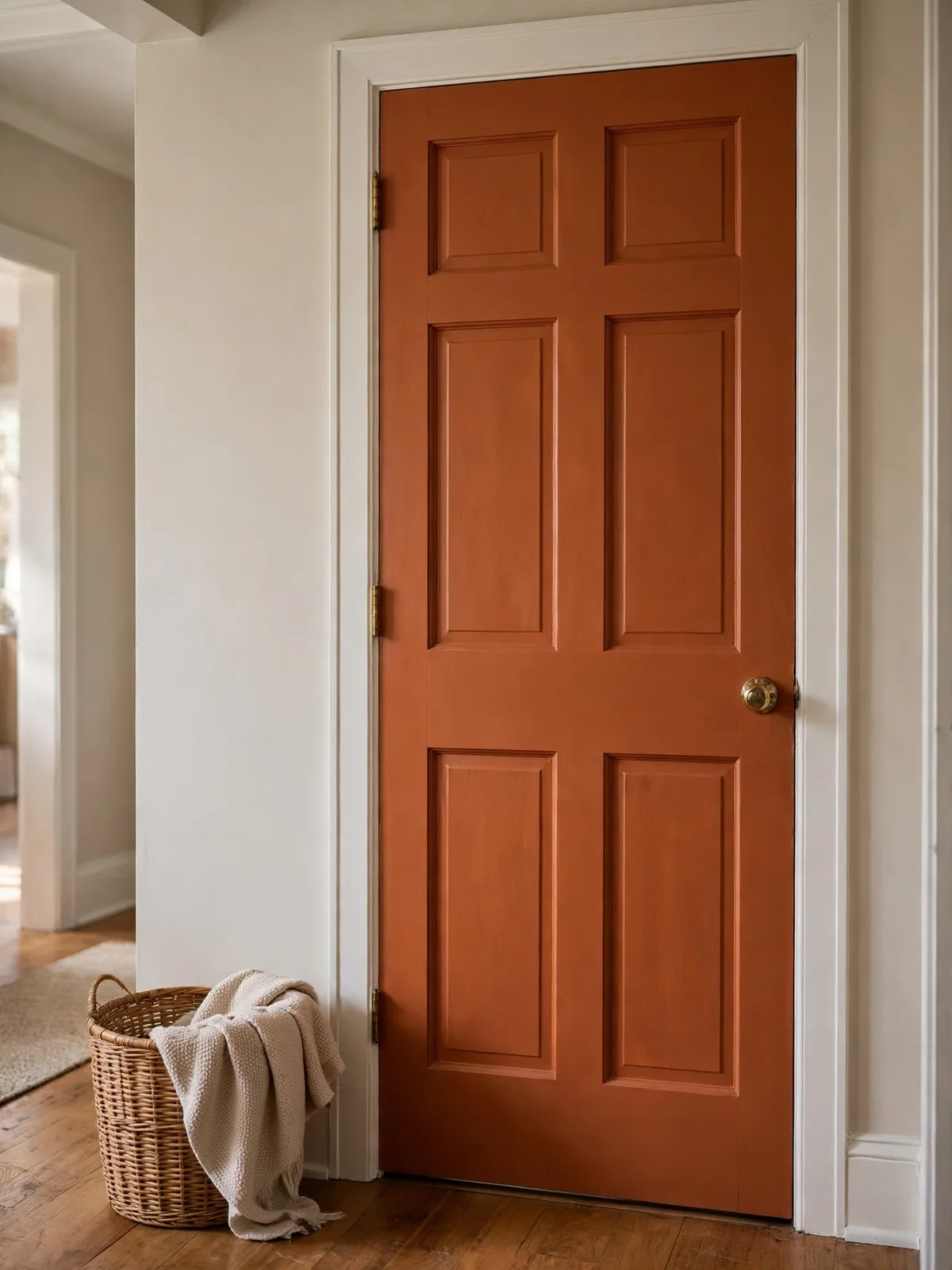
Terracotta is a sun-baked, clay-like shade that adds warmth without the intensity of a bright orange. It looks best against warm white or soft beige walls, with wood or woven baskets nearby to echo its earthy tone. Plan on around $25–$45 for a quart as of 2026, and sample it first, because terracotta can shift pinker or browner depending on your lighting.
6. Warm Taupe

Taupe sits between gray and brown, so it warms up a gray room and softens a brown one. It is a strong choice if you want a door that blends in gracefully rather than standing out, and it pairs well with both chrome and brass hardware. Budget about $25–$45 for a quart as of 2026 for a standard door.
7. Rich Chocolate Brown

Chocolate brown gives a door the richness of dark wood without the cost of replacing it, and it grounds rooms with cream walls and warm floors. It can feel heavy in a very dark hallway, so save it for spaces with decent natural or overhead light. A quart usually costs $25–$45 as of 2026.
Soft and Light Colors
Soft door colors are the quiet achievers: they add personality while keeping a room feeling open, airy, and easy to live with.
8. Pale Sage Green

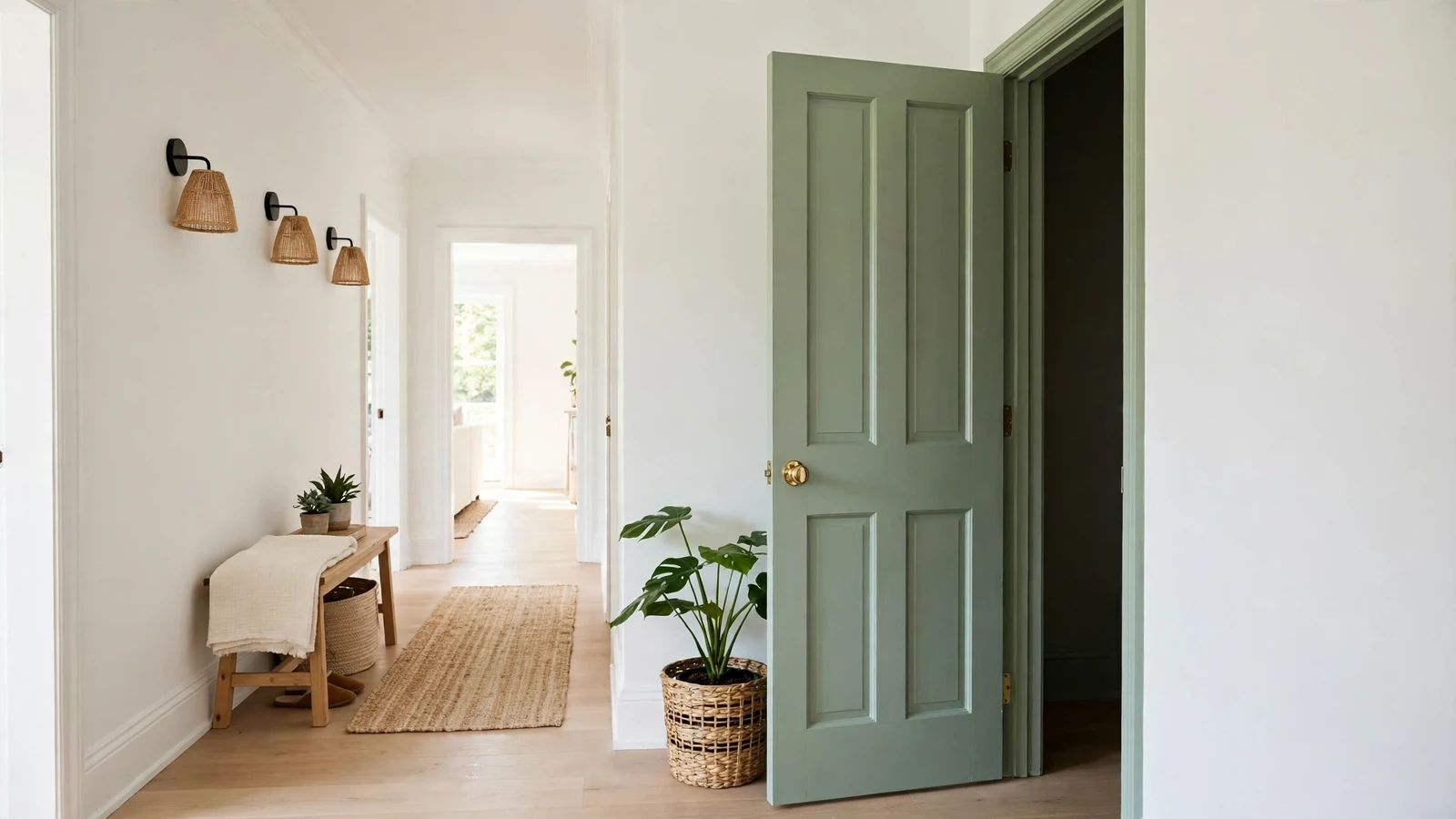
Pale sage is a gentle green-gray that feels fresh without looking minty, and it is one of the easiest colors to live with long term. It suits white or cream walls, natural wood, and bedrooms or bathrooms where a calm feel matters most. Expect around $25–$45 for a quart as of 2026, and pair it with white trim to keep the look crisp.
9. Dusty Blue
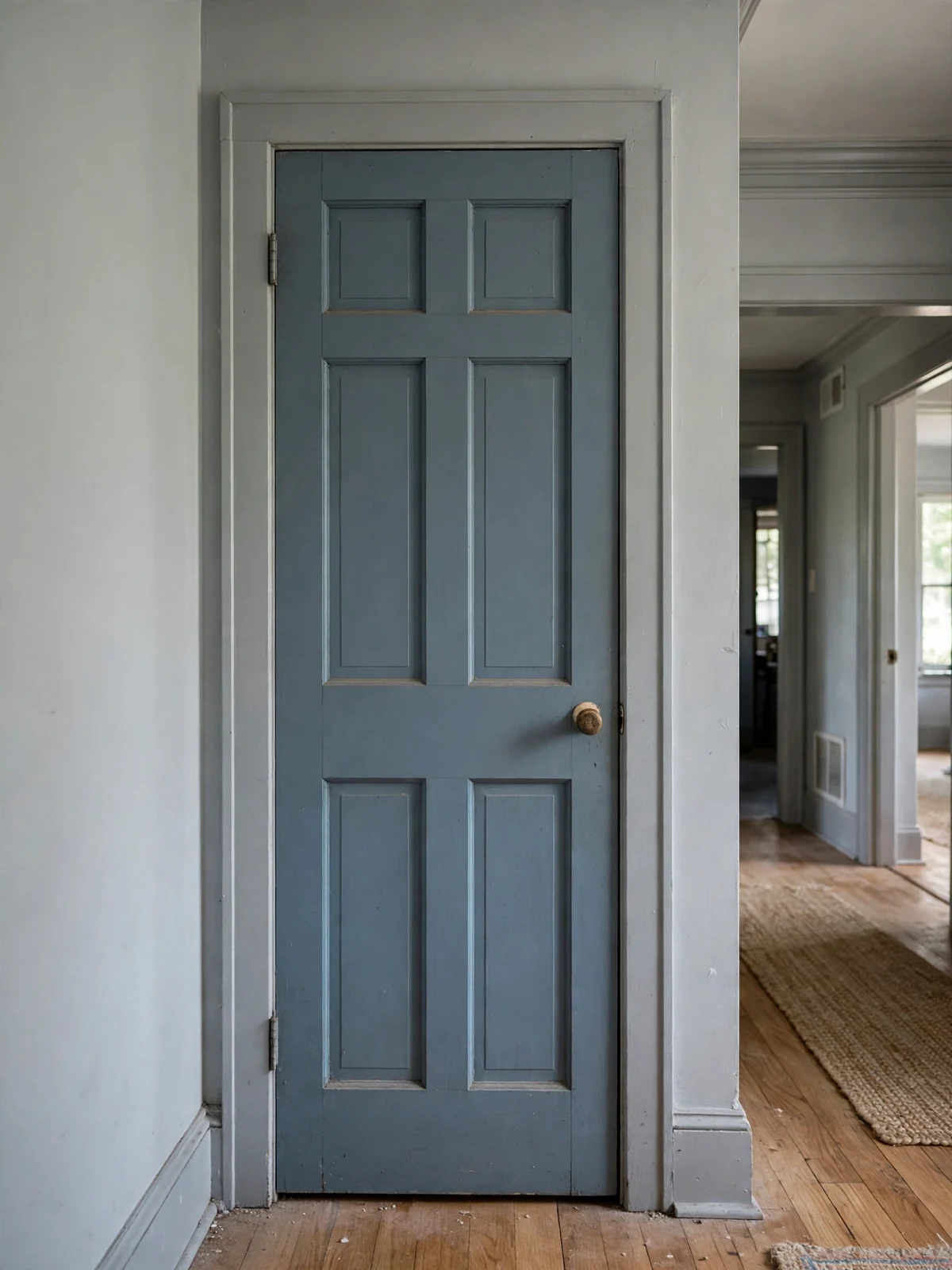
Dusty blue is a muted, gray-leaning blue that adds color while staying restful, which is why it works in bedrooms, offices, and hallways alike. If you like this family of colors, you may also enjoy the blue-gray shades in 20 Best Blue Gray Paint Colors for a Modern Home in 2026 for walls and larger surfaces. For a single door, budget roughly $25–$45 for a quart as of 2026.
10. Warm Greige
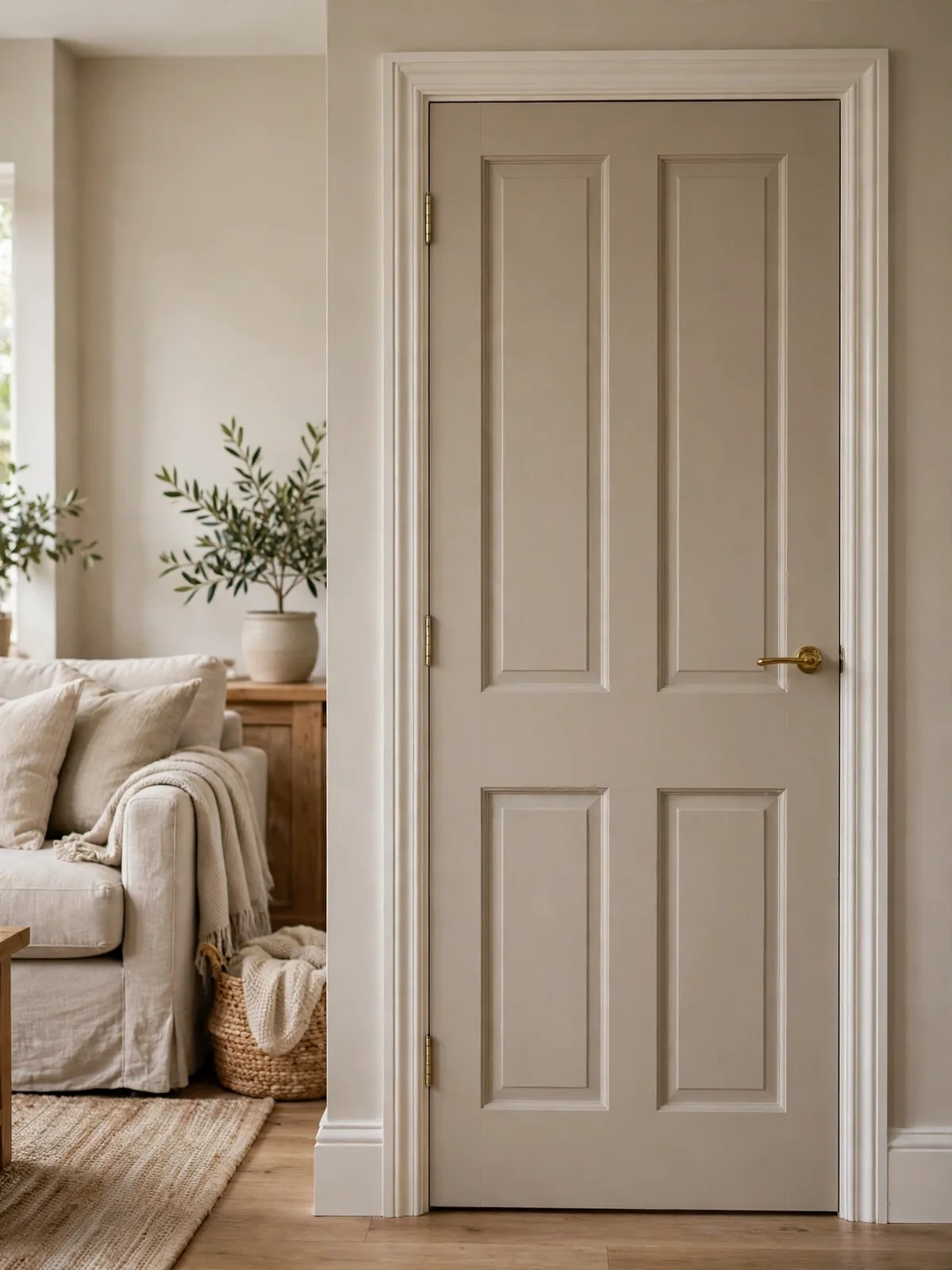
Greige, a blend of gray and beige, is a useful middle ground when pure gray feels cold and pure beige feels yellow. It blends with most wall colors, which makes it a safe pick if you plan to repaint the walls later. A quart typically costs $25–$45 as of 2026, and it is a good choice for painting every door in a home the same color.
11. Soft Blush Pink
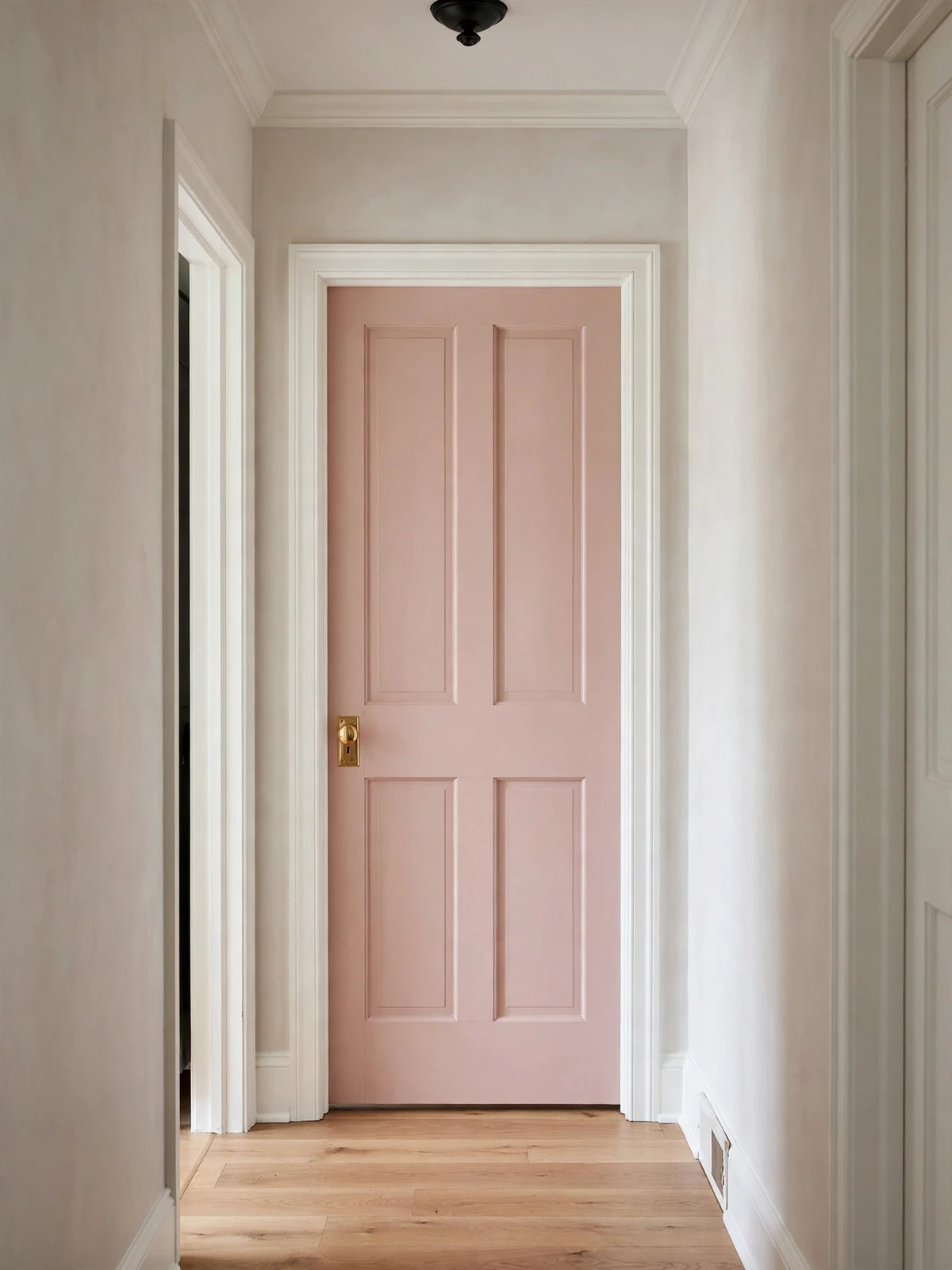
Soft blush is a barely-there pink that reads as warm and welcoming rather than sweet, especially with white trim and light wood floors. It works best on a bedroom or closet door, where a touch of softness feels intentional. Plan on about $25–$45 for a quart as of 2026, and keep the rest of the room neutral so the blush stays subtle.
Bold and Unexpected Colors
Bold doors are for the doorway you want people to notice. Use them on one door, not every door, and let the rest of the room stay calm so the color can shine.
12. Ochre Yellow
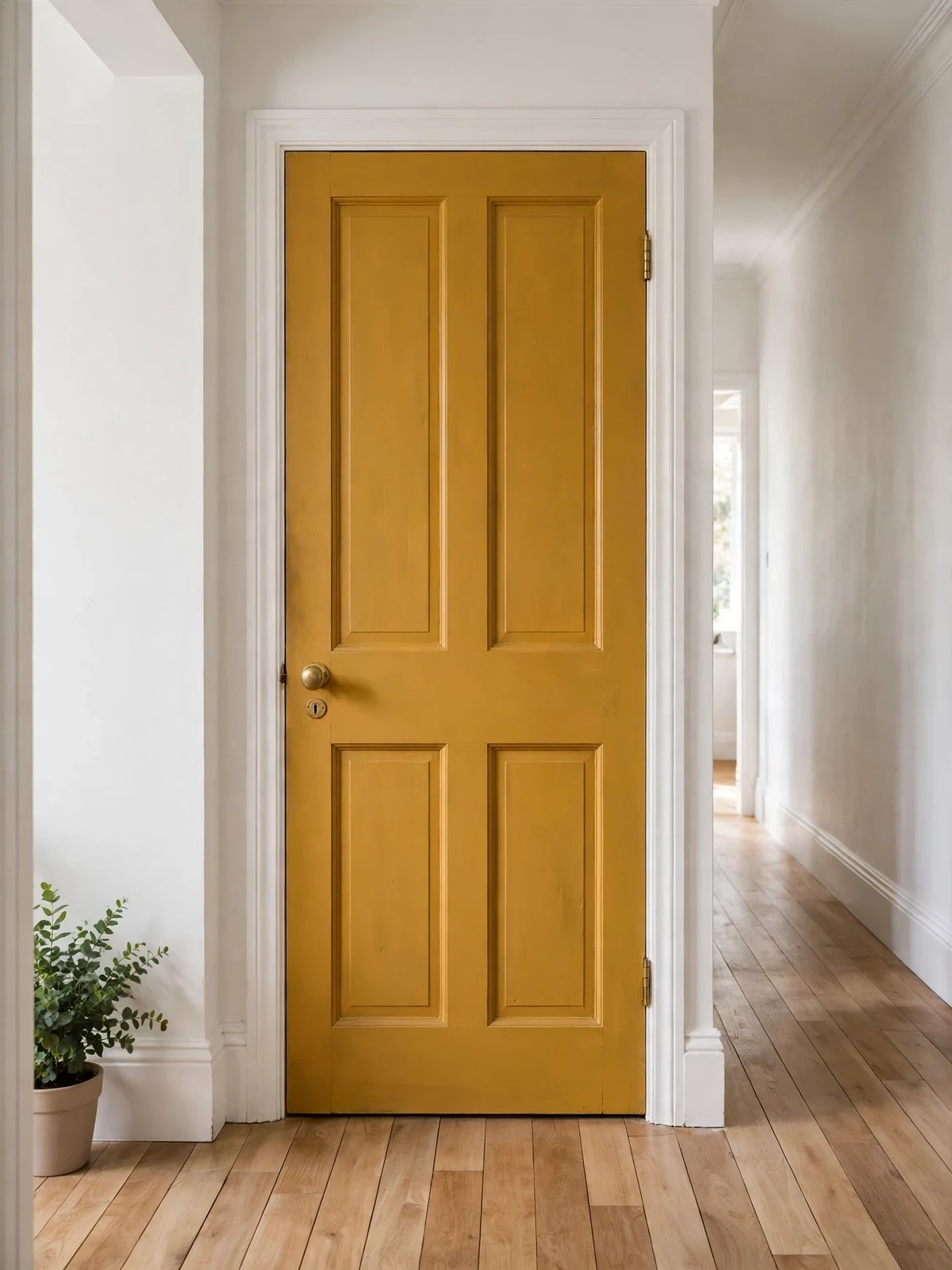
Ochre, a deep mustard yellow, adds sunshine without the glare of a bright yellow, and it pairs well with white walls, dark wood, and navy or green accents. It is a cheerful pick for a pantry, laundry room, or home office door. Budget roughly $25–$45 for a quart as of 2026, and test it in your light, since ochre can lean gold or orange.
13. Burgundy Wine
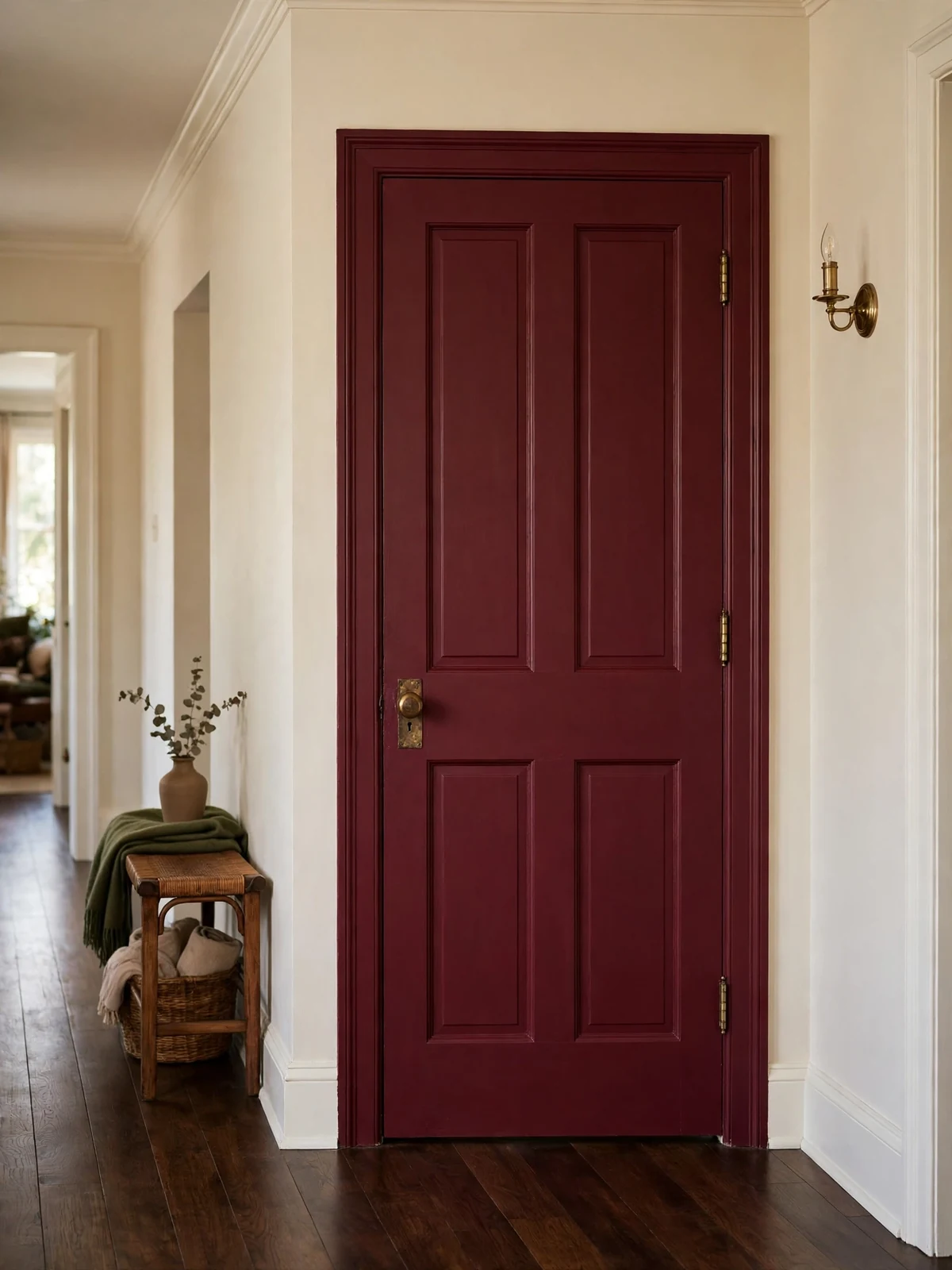
Burgundy is a deep, wine-like red that feels rich and traditional, especially in a dining room, library, or entryway. Keep the walls cream or soft gray and the hardware brass or black so the door feels elegant rather than loud. A quart usually runs $25–$45 as of 2026 for a standard interior door.
14. Deep Teal

Deep teal sits between blue and green, so it adds a jewel-toned punch while still playing well with neutrals. It looks striking against white walls and works in bathrooms, bedrooms, and offices where you want one confident accent. Expect to spend around $25–$45 on a quart as of 2026, and use white trim to sharpen the contrast.
15. Two-Tone Door and Trim
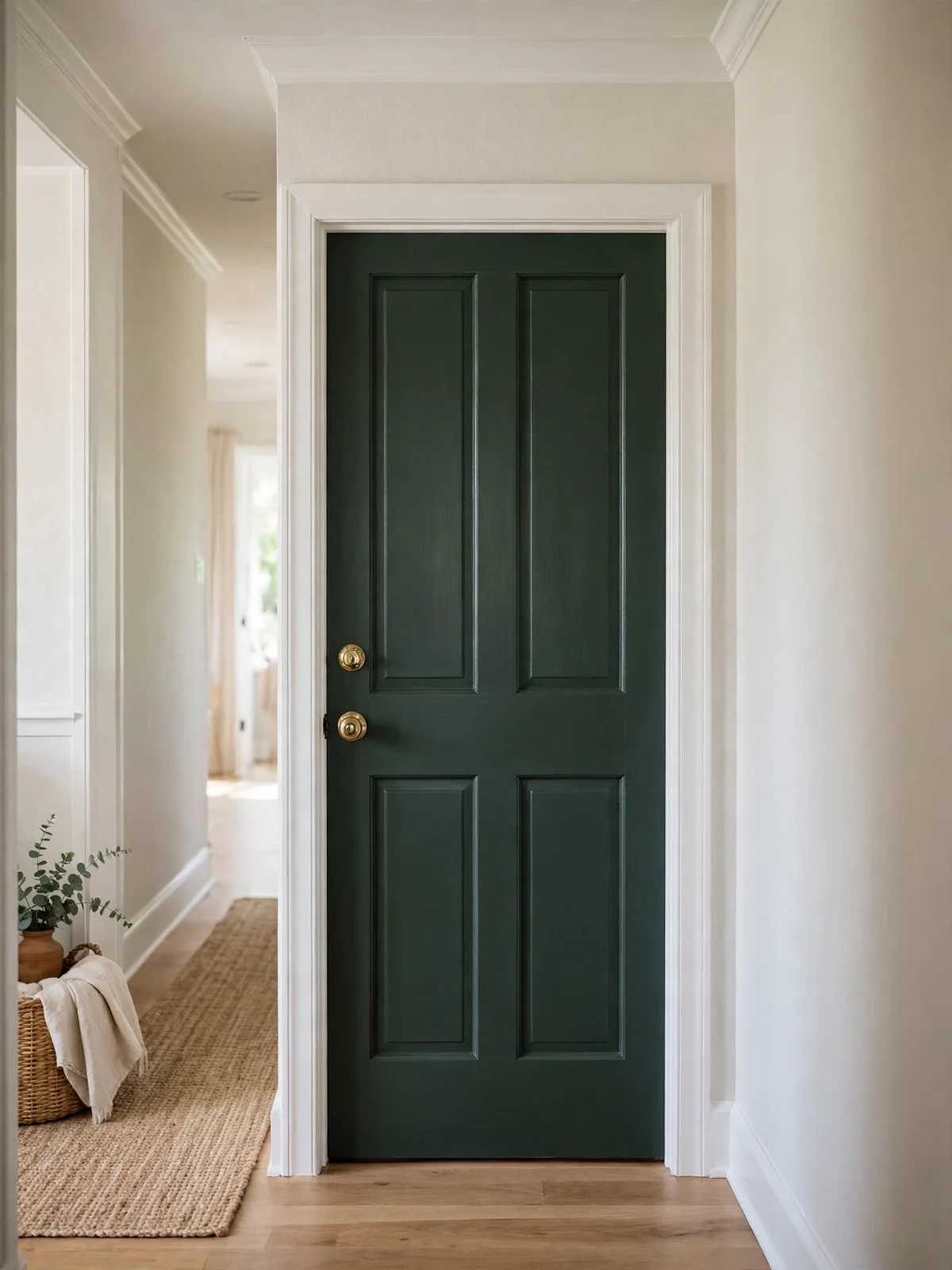
Two-tone means painting the door one color and the trim a contrasting one — for example, a deep green door with crisp white trim — so the doorway itself becomes the design feature. This approach suits any color on this list and costs a little more, since you need two quarts, roughly $50–$90 in total as of 2026. It also takes more taping time, so it is best saved for a door you want to highlight.
FAQ
What is the best paint color for interior doors?
There is no single best color, but black, charcoal, and deep navy are the safest high-impact choices because they suit most homes and hide wear well. If you prefer a softer look, sage, dusty blue, or warm greige are easier to live with every day.
Should interior doors be the same color as the walls?
They do not have to be. Matching the walls makes a door disappear, which can calm a small or busy room, while a contrasting door color turns the doorway into a feature. Many people paint all their doors one color and keep the walls a different, lighter shade.
Do black doors work in small rooms?
Usually, yes, as long as the room has some light. A black door in a small room can actually add depth, especially with white trim. In a very dark hallway with no natural light, charcoal or a softer dark shade may feel less heavy.
What paint finish should I use on an interior door?
Doors get touched constantly, so a finish that wipes clean and resists scuffs is usually the practical choice. For a full comparison of the two most common options, see Semi-Gloss vs. Satin: The Best Paint Finish for Interior Doors.
Can renters paint an interior door?
Only with your landlord’s permission, ideally in writing, and you should be prepared to repaint it back to the original color before moving out. If permission is refused, changing the hardware or styling the hallway around the existing door is the safer, deposit-friendly alternative.
How do I test a door color before committing?
Paint a large swatch or a sample board and hold it against the actual door in daylight and in evening light, next to your trim and flooring. Colors can look very different on a small chip than on a full door, so a test patch is worth the extra day.
Conclusion
The best paint color for your interior doors is the one that fits your light, your walls, and the feeling you want when you walk into the room. Start with one door — a bedroom, an office, or the hallway door you see most — and live with it for a week before deciding whether to carry the color further.
Whether you choose classic black, calming sage, or a bold burgundy, a single quart of paint can give a plain doorway real character. Pick the color that makes you smile every time you walk through the doorway, and let the rest of the room follow its lead.

Thiago Alexander is the Chief Editor at Nested Charm. With a deep passion for interior design and cozy living spaces, he leads the editorial team in crafting stories that make every house feel like a home.



One Comment