
15 No-Drill Curtain Rod Alternatives That Look Built-In (Renter Tested)
Executive Summary
Drilling into a rental wall for curtain brackets is a small job that can turn into a big move-out problem, because a few holes can cost part of a deposit. The good news is that you do not need a drill to hang curtains that look finished: tension rods, adhesive holders, magnetic rods, ceiling tracks, wires, and freestanding poles can all hold real curtains.
The trick is matching the alternative to the window, the curtain weight, and the surface. This guide covers 15 options, what each one can typically hold, and what it costs as of 2026.
In short: For most renters, a tension rod inside the frame is the safest first try for light curtains, adhesive rod brackets are the best no-drill choice above the trim, and a ceiling track or freestanding pole is the answer for wide windows and heavy fabric. Test the hold with the real curtain weight first, and check your lease before using anything adhesive.

What to Check Before You Hang Anything
Measure the window twice: the inside width of the frame, the outside width including the trim, and the height from where the curtain should hang to the floor or sill. Many no-drill options only work inside a frame or on a flat surface.
Check the surface, too. Tension rods need a solid, flat frame, adhesive products need clean, smooth, fully cured paint, and magnetic rods only work on steel, so test a fridge magnet on the frame first. Test every hold for a day with the real curtains before you rely on it.
Tension Rods That Actually Stay Put
1. Classic Tension Rod Inside the Window Frame

A classic tension rod is a spring-loaded rod that presses between the two sides of a window frame, with no screws and no brackets. Twist it to lengthen it until it fits snugly, then hang light or medium curtains from it. It typically works best for windows up to about 60 inches wide with sheer, linen, or light cotton curtains, and it usually costs around $8 to $20 as of 2026.
2. Heavy-Duty Tension Rod for Wide Windows and Blackout Curtains

A heavy-duty tension rod is a thicker, stronger version of the classic rod, with a wider diameter and a stronger internal spring. It is the better choice for wider windows and heavier fabric, including lined curtains and lighter blackout panels, and it typically costs around $15 to $35 as of 2026. Buy a rod whose middle range covers your width, not one stretched to its maximum.
Adhesive Holders That Hold
3. Adhesive Hooks Holding a Slim Dowel Rod

Two strong adhesive hooks, one on each side of the window, can cradle a slim wooden dowel or a lightweight metal rod. This is a good low-cost option for cafe curtains, sheers, and light panels, and it typically costs around $10 to $20 as of 2026 for the hooks and a dowel. Clean the wall, press each hook firmly, and wait the time stated on the packaging before hanging anything. Adhesive can pull paint off a wall, so test one hook in a hidden spot first.
4. Adhesive No-Drill Rod Brackets

Adhesive rod brackets are purpose-made holders that stick to the wall above or beside the window and hold a standard curtain rod. A pair typically costs around $12 to $30 as of 2026, and most are rated for light to medium curtains, usually a few pounds per bracket. Clean, dry, press firmly, and wait before loading, and remove them slowly at move-out using the pull tab.
5. Rod Resting on Adhesive Shelf Brackets

A pair of small adhesive shelf brackets, mounted level on either side of the window, can act as a ledge for a curtain rod to rest on. This works well when you want the rod mounted above the trim but cannot drill, and it typically costs around $15 to $30 as of 2026 for the brackets. It suits light to medium curtains, and the rod should sit securely in the bracket cradle, not just balance on a flat edge. Check again after the first hot afternoon, when adhesive is most likely to soften.
Magnetic, Clamp-On, and Suction Options
6. Magnetic Curtain Rod on a Metal Door or Frame
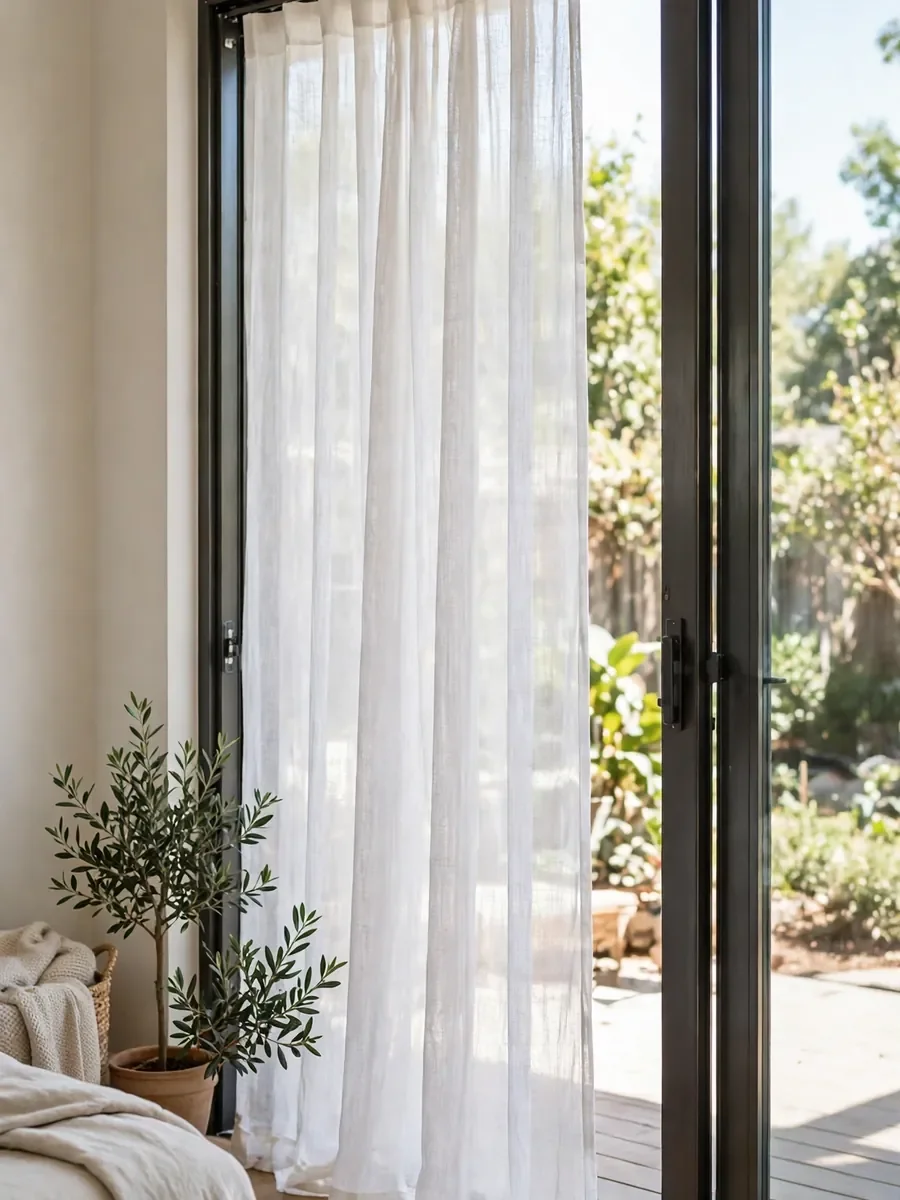
A magnetic curtain rod uses strong magnets to grip a steel surface, so it is ideal for metal doors, steel window frames, and some metal-framed patio doors. It needs no holes and no adhesive, and it typically costs around $10 to $25 as of 2026. First, confirm the surface is actually magnetic with a fridge magnet, because many aluminium and vinyl frames look like metal but are not magnetic at all.
7. Clamp-On Rod Holders That Grip the Window Trim

Clamp-on rod holders grip the window trim or the edge of the frame, holding a rod without screws. They are a good choice when the trim is sturdy and has a lip the clamp can hold onto, and they typically cost around $15 to $35 as of 2026. They work best on solid wood trim. Fit the clamp, tighten it gently until it is snug, and never force it onto trim that is already loose or cracked, as the pressure can split the wood or pull paint away.
8. Suction-Cup Holders on Smooth Glass or Tile

Suction-cup rod holders stick to smooth, non-porous surfaces such as glass, glazed tile, or a smooth mirror. They are best for very light curtains, such as a sheer privacy panel on a glass door or a small cafe curtain on a tiled bathroom window, and they typically cost around $8 to $18 as of 2026. Clean the glass or tile until it is free of dust and grease, press the cup flat, and engage the lever or twist lock if it has one.
Tracks and Wires for a Built-In Look
9. Adhesive Ceiling Track for Sheers and Light Panels

A ceiling track mounted with strong adhesive strips or removable mounting tape can give curtains a clean, built-in look, with the fabric hanging straight from the ceiling. It works well for sheers, light panels, and room dividers, and a track kit typically costs around $20 to $45 as of 2026. Press the track firmly along its length, following the adhesive curing time before hanging curtains. Test a small piece first on textured ceilings or fresh paint.
10. Tension Wire Between Two Walls

A tension wire system stretches a thin steel cable between two walls or two sides of a window opening, with the curtains hanging from small clips or rings on the wire. It gives a minimal, modern look that reads almost like a built-in track, and a kit typically costs around $15 to $35 as of 2026. Mount the wire fittings level, pull the wire taut, and space the curtain clips evenly so the weight does not sag in the middle.
11. Curtain Wire on Adhesive Hooks for Cafe Curtains

A lighter version of the tension wire, hung from a pair of adhesive hooks, is ideal for cafe curtains that cover only the lower half of a window. It is simple, cheap, and easy to remove, typically costing around $10 to $20 as of 2026 for the wire and hooks. Place the hooks level at the height where the cafe curtain should sit, clean the surface first, and wait for the adhesive to cure before adding the wire and fabric.
Freestanding and No-Rod Ideas
12. Freestanding Tension Pole, Floor to Ceiling

A floor-to-ceiling tension pole presses between the floor and the ceiling, and a curtain can hang from a rod or hooks attached to it, or from the pole itself with rings. It needs no holes in any wall, and it can hold medium to heavier curtains, depending on the pole. A pole typically costs around $25 to $60 as of 2026. Extend it until it is firmly wedged, and check that it does not wobble.
13. Hook-and-Loop Adhesive Tabs, No Rod at All
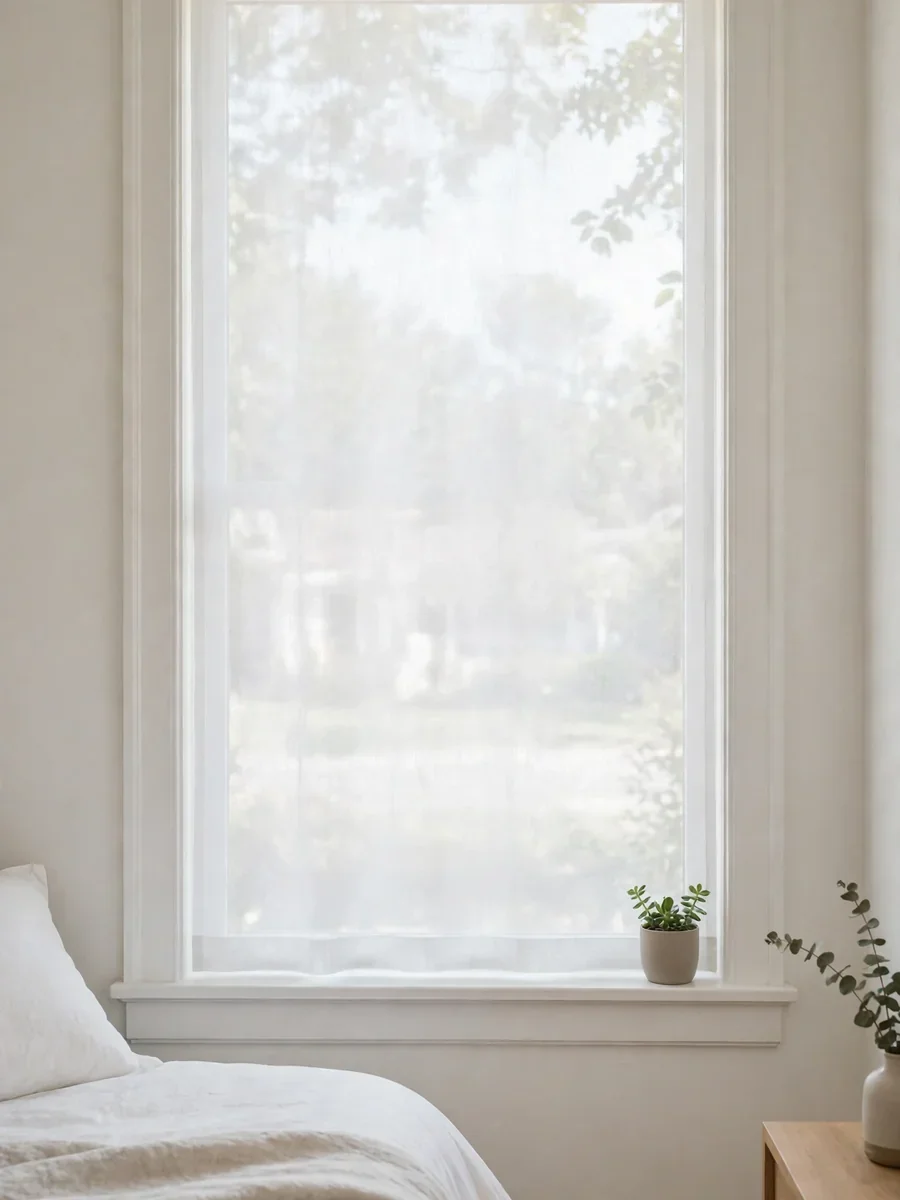
Hook-and-loop adhesive tabs stick one side to the window frame and the other to the curtain header, so the curtain hangs directly from the frame with no rod at all. This is a good choice for a flat sheer panel, a blackout liner, or a temporary privacy curtain, and it typically costs around $8 to $15 as of 2026 for a pack of tabs. It works best for light fabric on a smooth, clean frame. Stick the tabs evenly along the top of the frame, press firmly, and let the adhesive cure before hanging the fabric.
14. Clip Rings on an Existing Blind Header or Rod

If the window already has a blind, a valance, or an existing curtain rod left by a previous tenant or the landlord, clip rings can hang a new curtain from what is already there, with no new holes at all. Clip rings typically cost around $8 to $15 as of 2026 for a pack. Check first that the existing rod or blind header is firmly fixed and can take the extra weight. If the blind header sags or the rod bends, do not add curtains to it, and ask the landlord before removing anything they installed.
15. Freestanding Garment Rack as a Room-Divider Curtain

A freestanding garment rack or clothing rail can hold a curtain panel as a room divider, a closet cover, or a backdrop behind a bed. It needs no wall fixing at all, it moves with you, and a simple rack typically costs around $25 to $60 as of 2026. Choose a rack with a wide, stable base, hang the curtain so the weight is even, and keep the rack away from walkways where it could be knocked over. At move-out, the curtain and the rack simply come with you.
How to Make It Look Built-In
A no-drill curtain looks built-in when the rod or track disappears and the fabric does the work. Hang the curtain as high as the option allows, ideally near the ceiling or the top of the trim, and let it fall to the floor or just to the sill, with no awkward gap in the middle. Choose a rod, track, or wire in a finish that matches the window hardware, and keep the finials or end caps small so they do not draw attention to the mounting.
For more renter-friendly ideas that pair well with curtains, see 15 Peel-and-Stick Wall Panels for Renters That Come Off Clean, which covers a wall treatment that also comes off clean, and 15 Awkward Living Room Layout Fixes That Finally Make the Room Work, which helps when a window sits in a tricky corner and the curtain needs to work with the furniture around it.
FAQ
Can a tension rod really hold blackout curtains?
It depends on the rod and the window. A standard tension rod usually holds light to medium curtains, while a heavy-duty tension rod can hold lighter blackout panels on a single, narrower window. Very heavy blackout curtains on a wide window are often too much for any tension rod.
Will adhesive curtain brackets damage the paint?
They can, especially on fresh paint, wallpaper, textured walls, or paint that was never primed. Always test in a hidden spot, follow the curing time, and remove the bracket slowly using the pull tab.
What is the best no-drill option for a sliding glass door?
A ceiling track or a freestanding tension pole is usually the best choice, because a sliding door is too wide for most tension rods and too heavy for most adhesive brackets.
Can I hang curtains without a rod at all?
Yes. Hook-and-loop adhesive tabs can hold a light panel directly on the frame, and clip rings can hang a curtain from an existing blind header or rod. Both are good for a panel that stays mostly in place.
How do I stop a tension rod from falling down?
Buy a rod whose middle range covers your window width, rather than one stretched to its limit, and make sure the frame is solid and flat. Mount it level, press it firmly into place, and spread the curtain weight evenly.
Do I need my landlord’s permission for no-drill curtain alternatives?
Usually not for a tension rod or a freestanding pole, because nothing is fixed to the building, but it is still worth checking your lease. When in doubt, ask in writing before using an adhesive or clamp-on option, and keep the reply with your tenancy paperwork.
Conclusion
No-drill curtain rods are not a compromise, they are a practical way to make a rental feel finished without risking a deposit. Start with the simplest option that fits your window. With the right match, the curtain will hang straight, the mounting will disappear behind the fabric, and the room will look like the curtains were always meant to be there.


Thiago Alexander is the Chief Editor at Nested Charm. With a deep passion for interior design and cozy living spaces, he leads the editorial team in crafting stories that make every house feel like a home.